
Smoke and carbon monoxide alarms are essential home safety devices. They provide early warnings that can give occupants valuable time to respond to dangerous conditions.
However, having alarms installed does not automatically mean a home has adequate protection. Their placement, power supply, age, and interconnection all matter.
For Pennsylvania homeowners, understanding how these devices work can help identify potential gaps in household safety.
Understanding Smoke and Carbon Monoxide Alarms
Smoke alarms detect particles associated with fires and alert occupants when smoke is present.
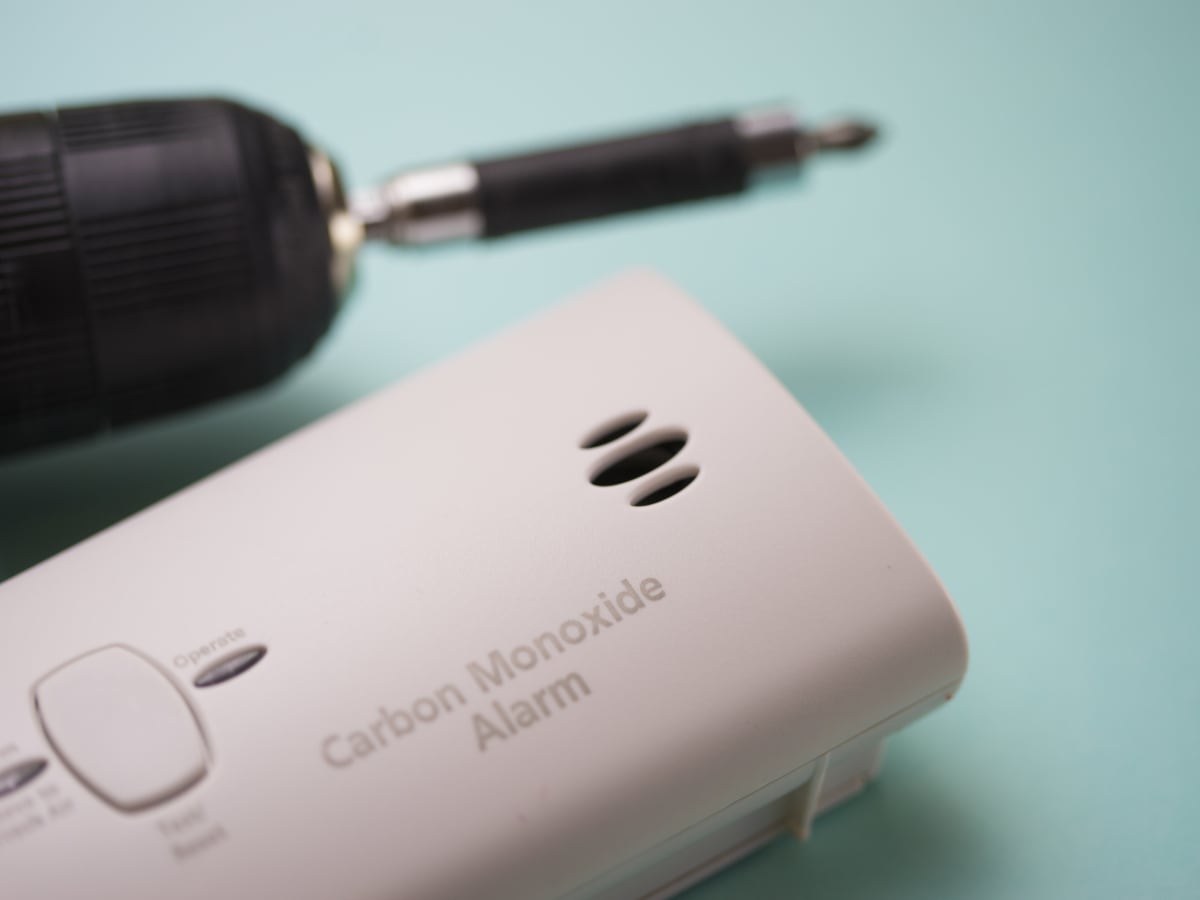
Carbon monoxide alarms detect elevated concentrations of carbon monoxide, an odorless and potentially deadly gas produced by fuel-burning appliances and other sources.
Some devices perform both functions, while others are designed for only one purpose.
Homeowners should follow the manufacturer's instructions for placement, testing, and replacement.
Hardwired vs. Battery-Powered Alarms
Smoke and carbon monoxide alarms are available in different configurations.
Battery-Powered Alarms
Battery-powered devices operate using replaceable or sealed batteries.
They can be useful in locations where hardwired installation is not available or where permitted by applicable requirements.
However, homeowners need to monitor battery condition and replace devices according to manufacturer guidance.
Hardwired Alarms
Hardwired alarms connect to a home's electrical system and commonly include battery backup.
This allows the device to receive power from the household electrical supply while maintaining some operation during a power outage.
Hardwired alarms may be required in certain residential construction or renovation circumstances. The applicable requirements depend on the building, project scope, and governing code.
Why Interconnected Alarms Matter
Interconnected alarms are designed so that when one device detects smoke or carbon monoxide, other connected alarms also sound.
This can be particularly helpful in larger homes, multistory properties, and homes where sleeping areas are separated.
A homeowner may not hear an alarm located on another floor if the devices operate independently.
Interconnection requirements vary depending on the installation and applicable code provisions. An electrician can determine whether existing alarms are appropriately connected.
When Should Smoke and CO Alarms Be Replaced?
Alarms do not last indefinitely.
Most manufacturers provide a recommended replacement interval, which may vary by device type. Homeowners should check the date and instructions on each alarm rather than assuming that a working test button means the unit is still reliable.
Replace devices that have reached the end of their service life or show signs of damage.
What Happens During an Electrical Alarm Upgrade?
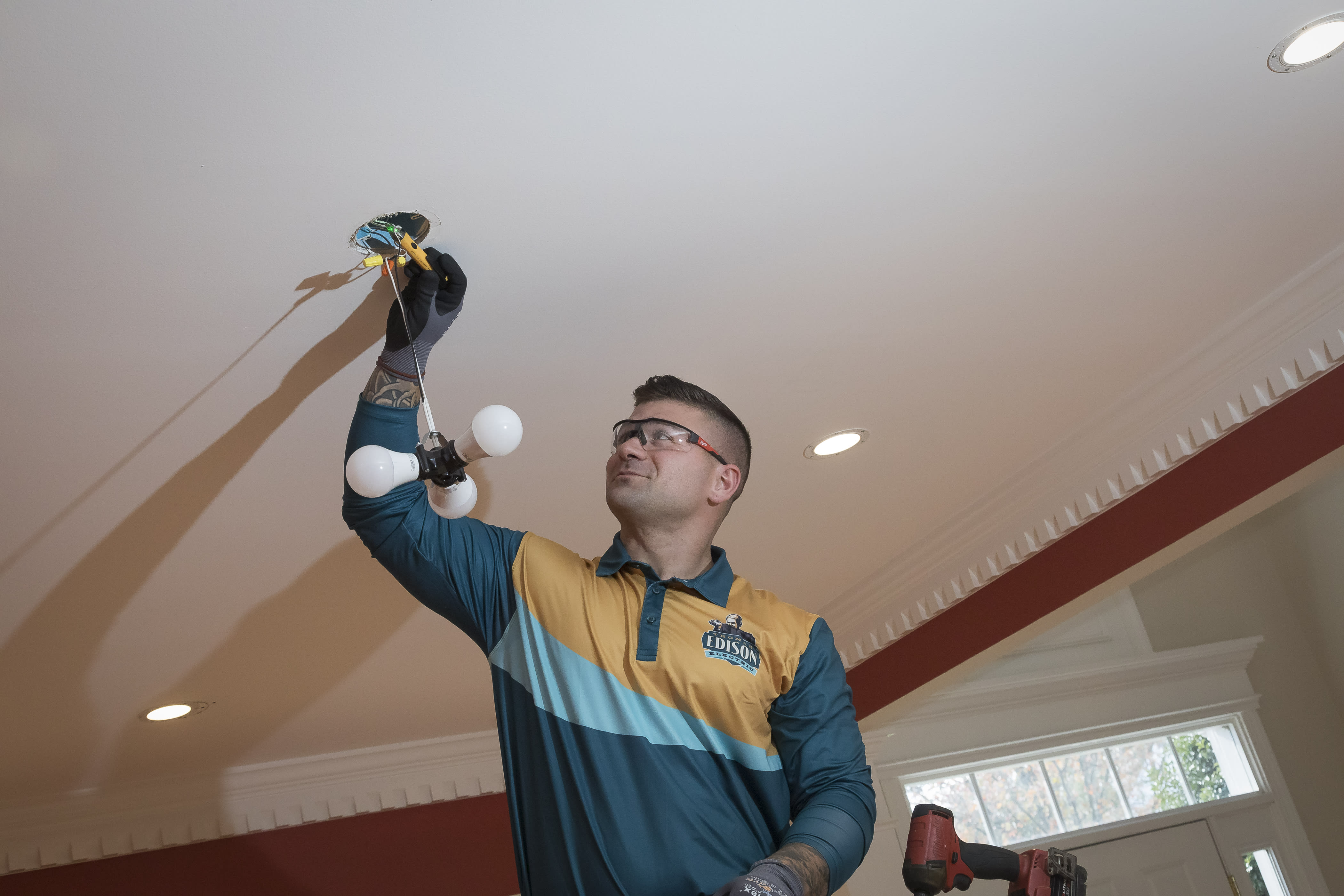
Installing hardwired or interconnected alarms may involve electrical wiring, device connections, and changes to existing circuits.
An electrician can evaluate the existing setup, determine what wiring is needed, and identify whether the project requires additional work.
This can be particularly important in older homes where the original alarm configuration may differ from modern systems.
Smoke and CO Alarm Considerations for Bucks County Homes
Bucks County includes a wide variety of residential properties, from newer developments in Langhorne and Newtown to older homes in Doylestown and Washington Crossing.
The age and configuration of a home can affect its existing alarm system.
If you are renovating, replacing outdated devices, or unsure whether your alarms are properly interconnected, a professional evaluation can help clarify what improvements may be appropriate.
Thomas Edison Electric provides residential electrical services for homeowners in its Pennsylvania service area. Contact the team to discuss electrical work involving hardwired alarms and other home safety upgrades.
Ready when you are
Book online in a couple of minutes, or call and speak to someone now. We answer 24/7.
Found this helpful?
Pass it along to a neighbor, tenant, or friend who could use it.