



Power outages are an unavoidable part of life in New Jersey. Severe thunderstorms, high winds, winter storms, hurricanes, and other weather events can all leave homes without electricity.
For some homeowners, an outage is an inconvenience. For others, losing power means losing heating or air conditioning, food in the refrigerator, internet access, medical equipment, sump pumps, or other essential systems.
That's where a home backup generator can make a significant difference.
But does every New Jersey home need one? And how do you know what type of generator is right for your property?
Why Are Backup Generators Popular in New Jersey?
New Jersey experiences a wide range of weather throughout the year, and severe weather can affect the electrical grid.
A short outage may be manageable. A prolonged outage is another matter.
A backup generator can provide electricity to selected appliances or, with an appropriately sized whole-home system, much of the home's electrical system during an outage.
For homeowners who work from home, have finished basements, rely on electric heating or cooling, or simply want greater peace of mind, backup power can be particularly valuable.
Portable Generator vs. Standby Generator
There are two common approaches to residential backup power: portable generators and permanently installed standby generators.
Portable Generators
Portable generators can be moved and stored when they're not needed. They can be useful for powering selected appliances and equipment during an outage.
However, they typically require homeowners to set up the equipment when the power goes out and determine which devices can safely be powered.
Portable generators also require careful attention to safe operation, placement, connections, and fuel.
Standby Generators
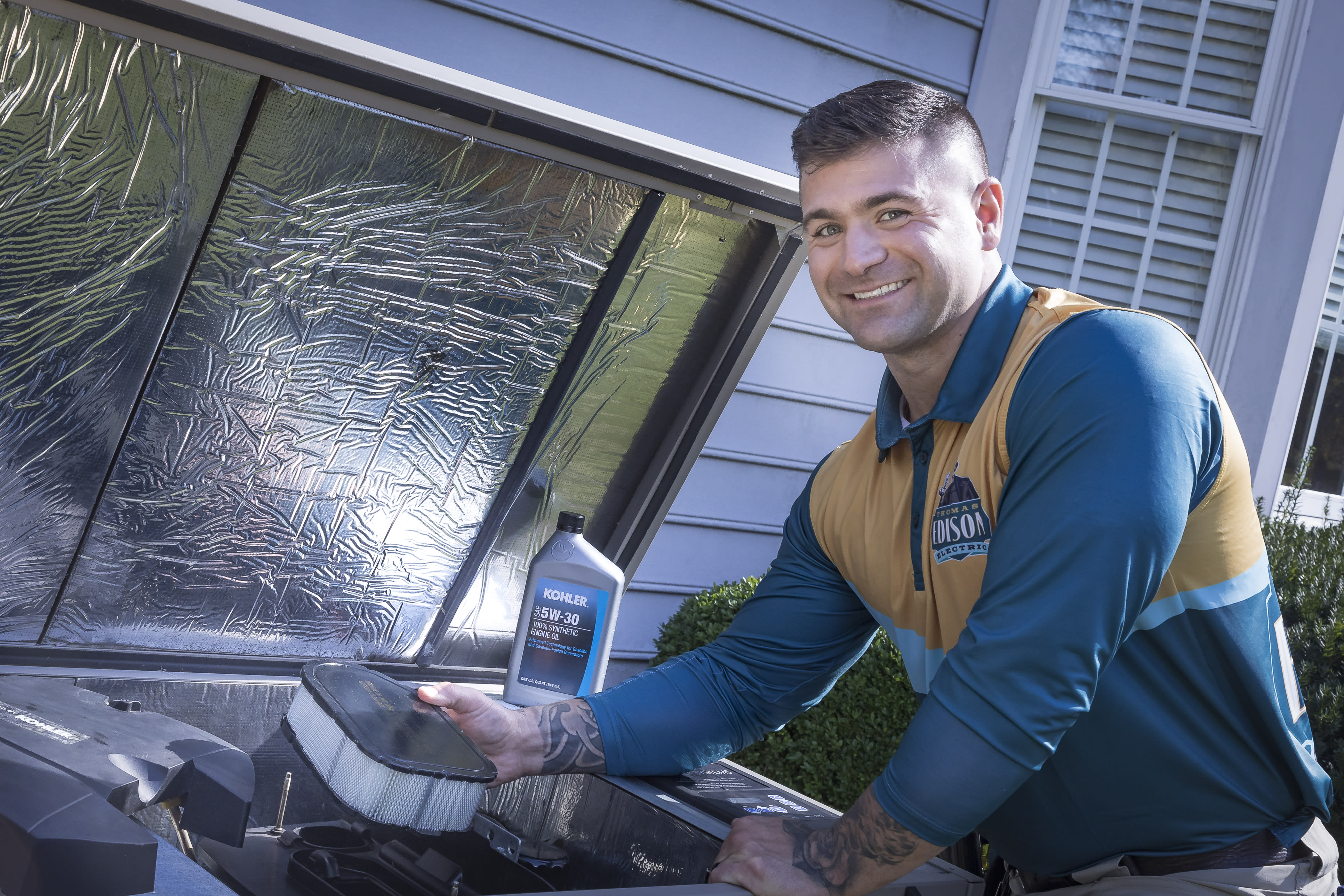
A standby generator is permanently installed outside the home and connected to the home's electrical system.
When the power goes out, the generator can automatically start and provide backup power.
Depending on the system and its capacity, a standby generator can power essential circuits or a much larger portion of the home.
For homeowners who don't want to manually set up a generator every time a storm approaches, a standby system can be a more convenient option.
How Large Should a Generator Be?
Bigger isn't automatically better.
The appropriate generator size depends on what you want to power during an outage.
Some homeowners only need backup power for essentials such as:
Refrigeration
Heating or cooling
Internet equipment
Lighting
Sump pumps
Selected outlets
Security systems
Others want a system capable of supporting most or all of their home's electrical demand.
An electrician can evaluate your home's electrical usage and help determine the appropriate generator capacity.
Do You Need a Generator If You Have Solar Panels?
Not necessarily.
Solar panels don't automatically mean that your home will have power during a grid outage. The ability to operate independently during an outage depends on the home's solar equipment, battery storage, transfer equipment, and system configuration.
If you're considering backup power, an electrician can evaluate your existing electrical system and explain how a generator may work alongside other energy equipment.
Where Is a Backup Generator Installed?
Standby generators are generally installed outdoors in an appropriate location that meets applicable requirements for clearances, ventilation, access, and other safety considerations.
The location also needs to work with the home's existing electrical system and fuel supply.
Because installation requirements can vary by property and municipality, generator placement should be evaluated before installation rather than chosen solely based on convenience.
Does a Generator Installation Require Electrical Work?
A standby generator isn't simply an appliance that gets plugged into an outlet. It needs to be properly integrated with the home's electrical system, typically through a transfer switch or related equipment.
The installation may involve:
Generator placement
Electrical connections
Transfer switch installation
Electrical panel work
Load evaluation
Permitting
Inspection
Generator commissioning
Working with a qualified electrician helps ensure that the generator and home's electrical system work together as intended.
When Should You Install a Generator?
You don't want to wait until the middle of a storm to start thinking about backup power.
If you've experienced repeated outages—or simply want to be prepared for the next major storm—planning ahead gives you time to evaluate your options, choose an appropriately sized system, and complete the installation before you need it.
It's also worth considering backup power if you're planning other major electrical projects. An electrical panel upgrade, home renovation, EV charger installation, or other high-demand addition may be an opportunity to evaluate your home's overall electrical capacity.
Is a Whole-Home Generator Worth It?
That depends on your household.
A generator may be particularly valuable if you:
Experience frequent or lengthy power outages
Work from home
Have a sump pump or finished basement
Depend on electric heating or cooling
Want to maintain refrigeration during an outage
Have family members who rely on electrically powered equipment
Simply want automatic backup power during severe weather
For other homeowners, a smaller system that powers only essential circuits may make more sense.
The right solution depends on the property and how you use it.
Backup Generator Installation in New Jersey
A backup generator is only useful if it is properly sized and correctly connected to your home's electrical system.
Thomas Edison Electric provides professional generator installation, repairs, maintenance, transfer switch installation, and other residential electrical services throughout New Jersey and Pennsylvania.
If you're considering a backup generator for your New Jersey home, an electrical evaluation is a good place to start. A professional can assess your home's electrical needs, discuss generator options, and help you determine what type of backup power makes sense for your property.
Ready when you are
Book online in a couple of minutes, or call and speak to someone now. We answer 24/7.
Found this helpful?
Pass it along to a neighbor, tenant, or friend who could use it.
'/%3e%3c/svg%3e)
'/%3e%3c/svg%3e)

'/%3e%3c/svg%3e)
'/%3e%3c/svg%3e)
