




Most homeowners don't think much about their electrical system until something starts tripping the breaker. If you've ever plugged in an appliance only to lose power to half the room, your home's circuits may be working harder than they should.
Many of today's most powerful appliances require dedicated circuits to operate safely and efficiently. These individual electrical lines help prevent overloaded circuits, reduce the risk of electrical fires, and ensure your equipment has the power it needs to perform at its best.
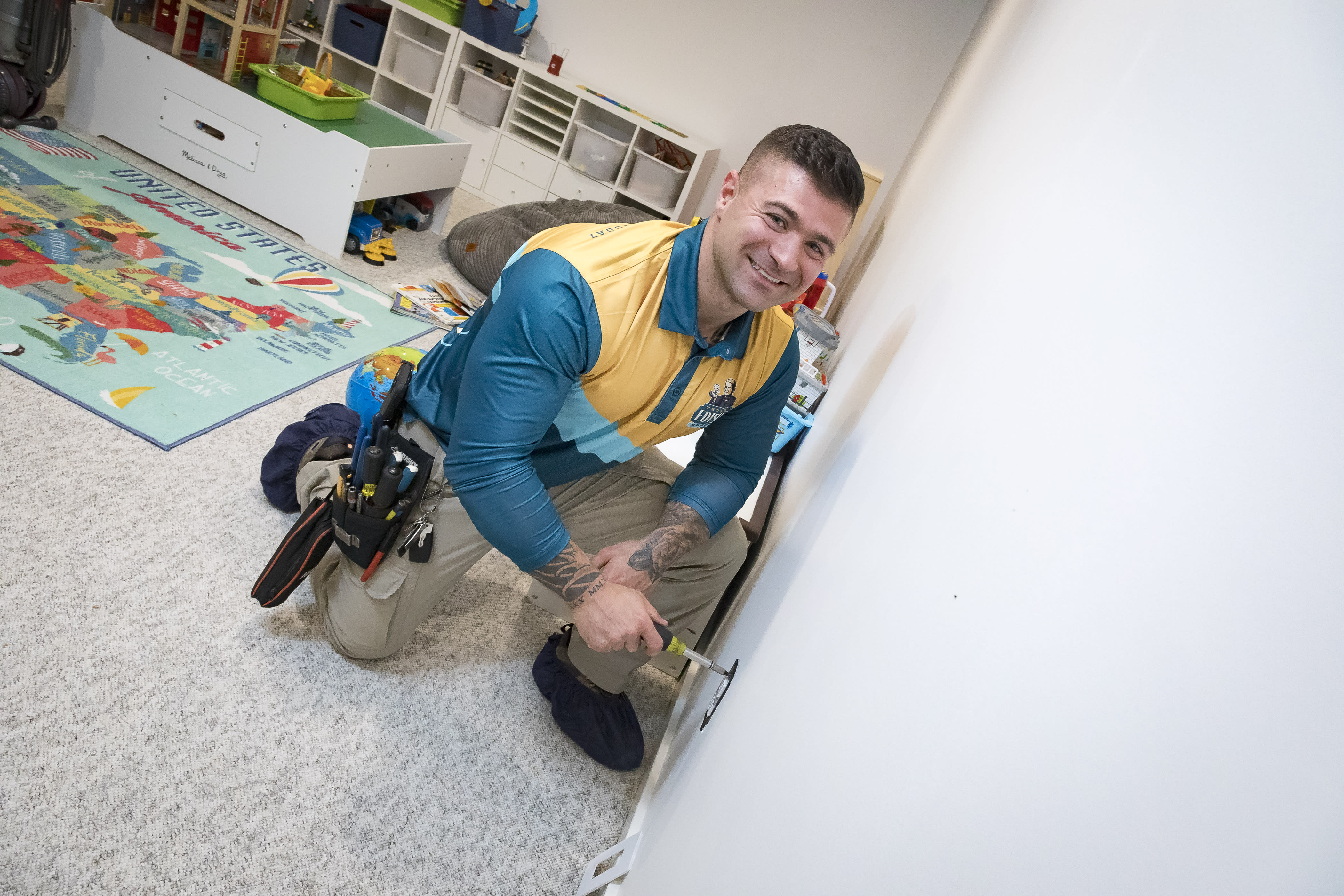
At Thomas Edison Electric, we install dedicated circuits for homeowners throughout Pennsylvania and New Jersey. Whether you're remodeling your home, adding a new appliance, or upgrading an older electrical system, understanding dedicated circuits can help you make safer decisions for your home.
What Is a Dedicated Circuit?
A dedicated circuit is an electrical circuit that serves only one appliance or piece of equipment. Instead of sharing electricity with lights, outlets, and other devices, the appliance receives power from its own breaker in your electrical panel.
Because the circuit isn't competing with other electrical loads, it can safely provide the amount of electricity that appliance requires.
Many homeowners don't realize they already have several dedicated circuits. Major appliances like central air conditioners, electric ovens, clothes dryers, and water heaters are almost always installed on their own circuits because of the amount of electricity they consume.
Why Are Dedicated Circuits Important?
Every electrical circuit has a limit to how much electricity it can safely carry. When too many devices draw power from the same circuit, the breaker trips to prevent overheating.
While a tripped breaker can be frustrating, it's actually protecting your home from potentially dangerous conditions.
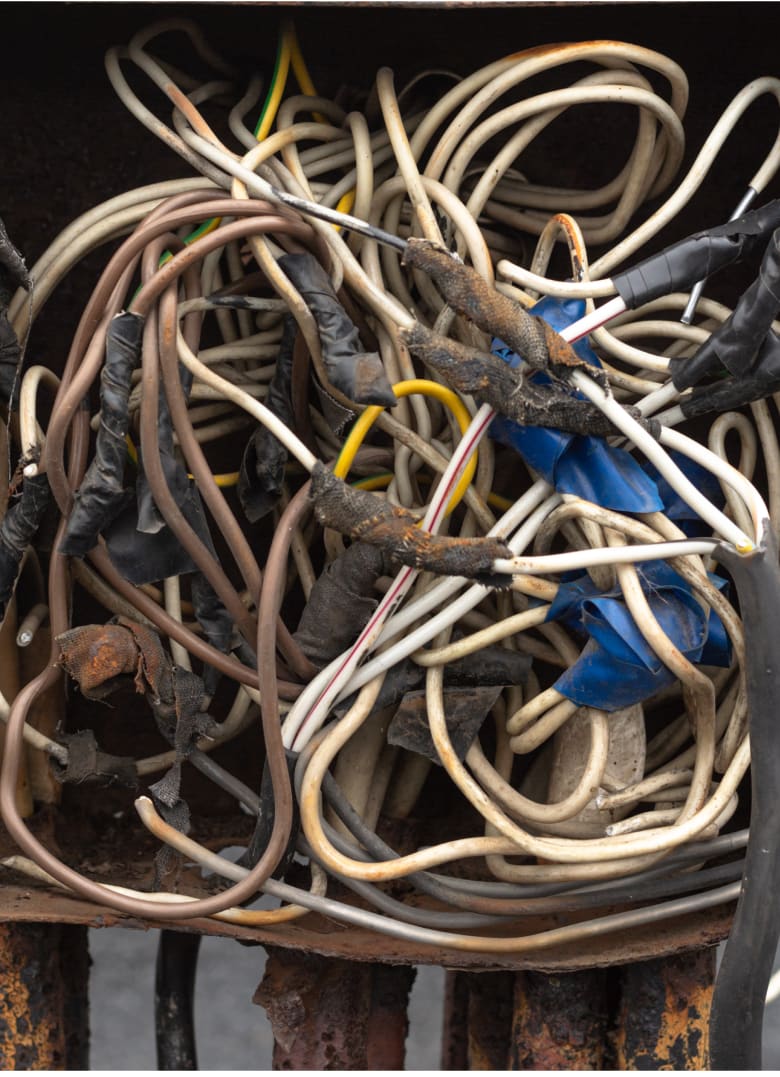
Without dedicated circuits, high-powered appliances can overload shared wiring, causing excessive heat that may damage electrical components or create a fire hazard.
Dedicated circuits also improve appliance performance. Equipment that receives consistent voltage often operates more efficiently and experiences less wear over time.
Which Appliances Typically Need Dedicated Circuits?
The National Electrical Code requires dedicated circuits for many large household appliances because of their electrical demands.
Common examples include:
Refrigerators
Microwave ovens
Dishwashers
Garbage disposals
Washing machines
Electric dryers
Electric ranges and ovens
Water heaters
HVAC equipment
Sump pumps
Electric vehicle chargers
In recent years, more homeowners have added home offices, workshop equipment, and backup generators that also benefit from dedicated circuits.
If you're unsure whether a new appliance requires its own circuit, an electrician can determine the proper installation based on the manufacturer's specifications and local electrical codes.
Signs You May Need a Dedicated Circuit
Your electrical system often gives warning signs when a circuit is carrying more power than it should.
If your breaker frequently trips when using a particular appliance, it's often a sign that the circuit is overloaded. Lights that dim when an appliance starts up can also indicate that too much equipment is sharing the same electrical line.
You may also notice warm outlets, buzzing sounds, or a faint burning smell near receptacles. These symptoms should never be ignored, as they can indicate overheating electrical components.
Older homes throughout Pennsylvania and New Jersey are especially likely to experience these issues because many were built before today's high-powered appliances became common.
Can You Simply Replace the Breaker?
Some homeowners assume installing a larger breaker will solve the problem.
Unfortunately, that's one of the most dangerous electrical mistakes you can make.
Circuit breakers are sized to protect the wiring inside your walls. Installing a larger breaker without replacing the wiring can allow the wires to overheat before the breaker trips.
Instead of increasing the breaker size, a licensed electrician can install a properly sized dedicated circuit that safely matches both the wiring and the appliance's electrical requirements.
Adding New Appliances Often Requires Electrical Upgrades
Many modern home improvements require more electricity than older homes were designed to handle.
Installing a hot tub, electric vehicle charger, home gym equipment, wine refrigerator, or second freezer may require additional dedicated circuits. Kitchen remodels frequently involve new countertop appliances, upgraded ovens, or induction cooktops that place higher demands on the electrical system.
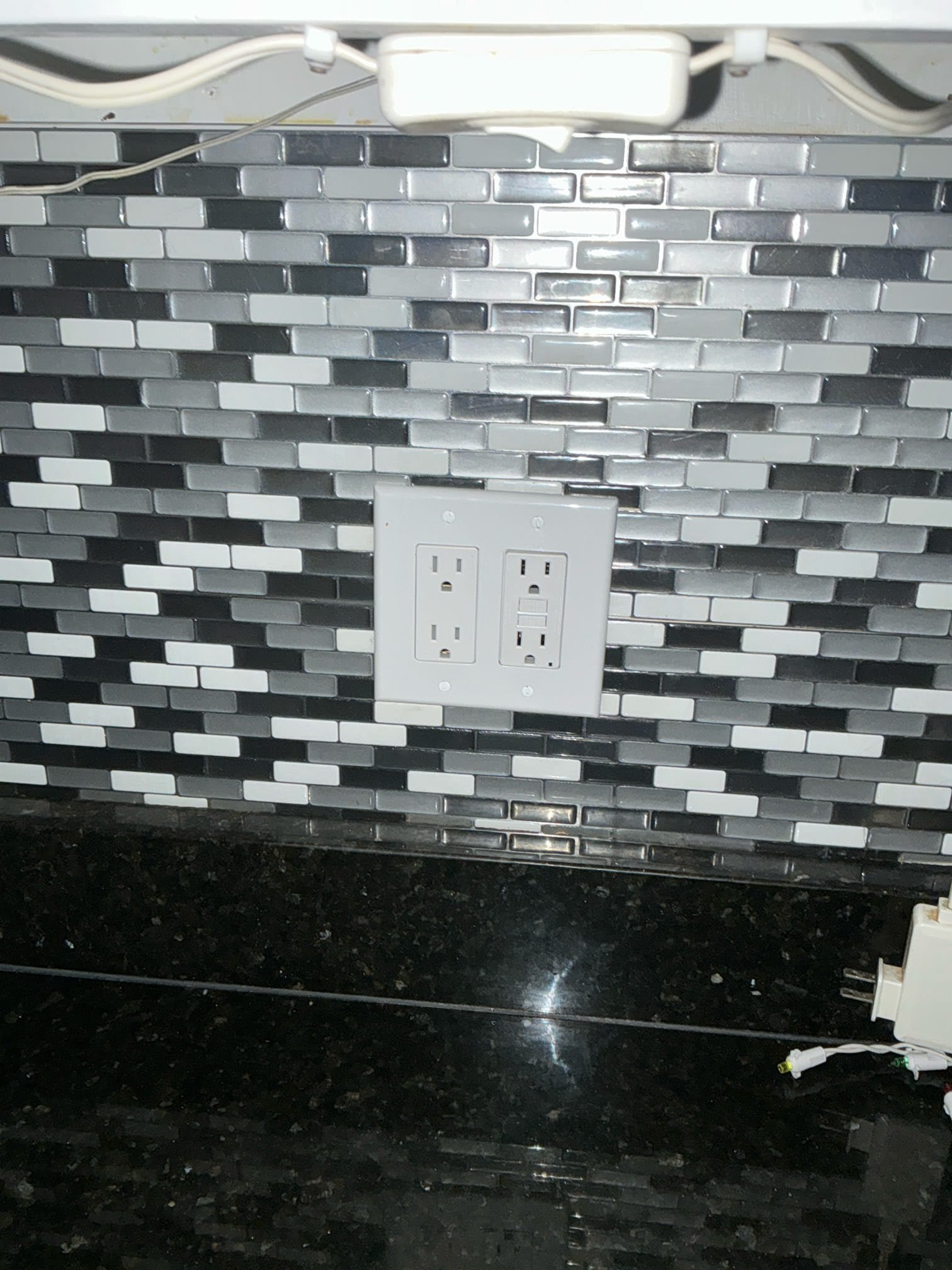
Rather than relying on extension cords or overloaded outlets, installing dedicated circuits ensures your new investment operates safely from day one.
Dedicated Circuits Improve Safety and Convenience
Dedicated circuits don't just reduce the risk of overloaded wiring. They also make daily life more convenient.
When appliances operate independently, using one won't interrupt another. You won't have to worry about running the microwave while the dishwasher is operating or losing power because several devices happened to turn on at the same time.
Dedicated circuits also make troubleshooting easier. If one appliance experiences an electrical issue, it typically affects only that individual circuit instead of multiple rooms throughout the home.
For families relying on medical equipment, home offices, or backup sump pumps, this added reliability can be especially valuable.
Professional Installation Matters
Installing a dedicated circuit isn't simply a matter of adding another outlet.
The process often involves running new wiring from the electrical panel, selecting the correct wire size, installing an appropriately rated breaker, and ensuring everything meets current electrical codes.
In some cases, the home's electrical panel may also need additional capacity if all breaker spaces are already occupied.
Because these projects involve working inside the electrical panel and modifying household wiring, they should always be completed by a licensed electrician.
Keep Your Home Powered Safely
Whether you're adding a new appliance or experiencing recurring electrical issues, dedicated circuits are an important part of keeping your home's electrical system safe and reliable.
At Thomas Edison Electric, our licensed electricians help homeowners throughout Pennsylvania and New Jersey determine when dedicated circuits are needed and install them according to current electrical codes. If your breakers are constantly tripping or you're planning a home upgrade, we'll make sure your electrical system is ready to safely handle the additional demand.
Ready when you are
Book online in a couple of minutes, or call and speak to someone now. We answer 24/7.
Found this helpful?
Pass it along to a neighbor, tenant, or friend who could use it.
'/%3e%3c/svg%3e)
'/%3e%3c/svg%3e)

'/%3e%3c/svg%3e)
'/%3e%3c/svg%3e)
