
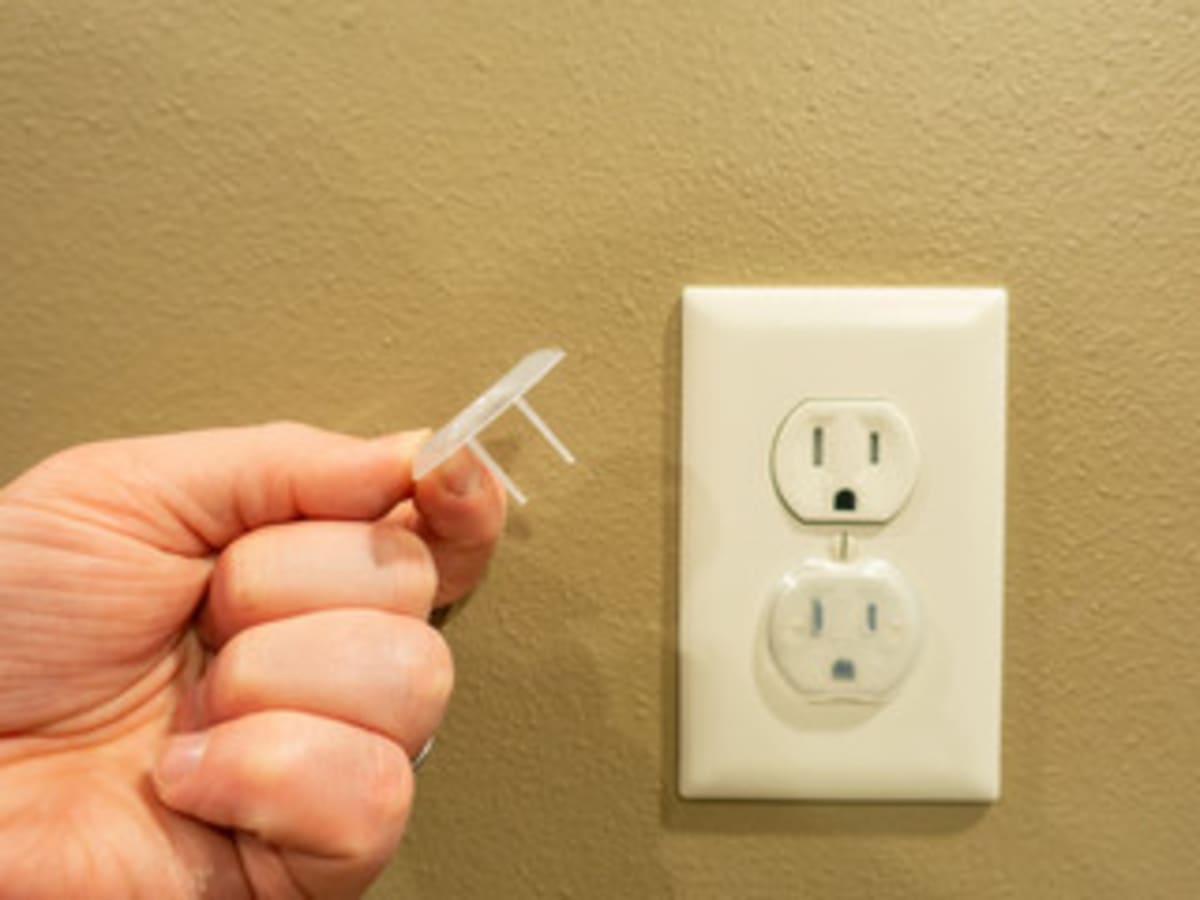
Children are naturally curious. As they explore their homes, electrical outlets, cords, switches, and appliances can attract their attention.
Although modern electrical systems include important safety features, homeowners should not assume that every outlet or electrical device is automatically child-safe.
For families throughout Bucks County, understanding common electrical hazards and available protective measures can help create a safer home environment.
Why Electrical Outlets Require Special Attention
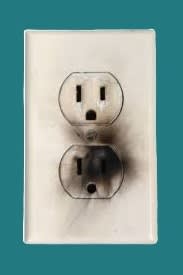
Standard electrical receptacles can present a shock hazard if children insert objects into the openings.
One important safety feature is the tamper-resistant receptacle.
What Are Tamper-Resistant Receptacles?
Tamper-resistant receptacles include internal shutters designed to prevent objects from being inserted into the electrical contacts unless a properly configured plug is used.
They look similar to standard outlets but include an additional protective mechanism.
Modern electrical codes require tamper-resistant receptacles in many areas of residential construction. The exact requirements depend on the installation and applicable code provisions.
Homeowners with older properties may want to ask an electrician whether their existing outlets provide appropriate protection.
Are Plastic Outlet Covers Enough?
Traditional plastic outlet covers are sometimes used to discourage children from accessing receptacles.
However, they can be removed, lost, or handled by curious children. Some designs may also introduce other concerns if they are not used properly.
Tamper-resistant receptacles provide built-in protection without requiring homeowners to insert and remove separate covers.
An electrician can explain whether replacing older receptacles is appropriate for your home.
Keep Electrical Cords Out of Reach
Loose cords can create several safety concerns.
Children may pull on cords connected to lamps, appliances, or electronics, potentially bringing heavy objects down with them.
Cords can also become damaged when repeatedly bent, pinched, or pulled.
To reduce risks:
Keep cords away from play areas.
Avoid running cords beneath rugs.
Do not use cords with damaged insulation.
Keep power strips and extension cords out of children's reach.
Avoid using extension cords as permanent wiring.
Be Careful Around Water and Electricity
Bathrooms, kitchens, laundry rooms, and outdoor areas require particular attention because water can increase the risk of electrical shock.
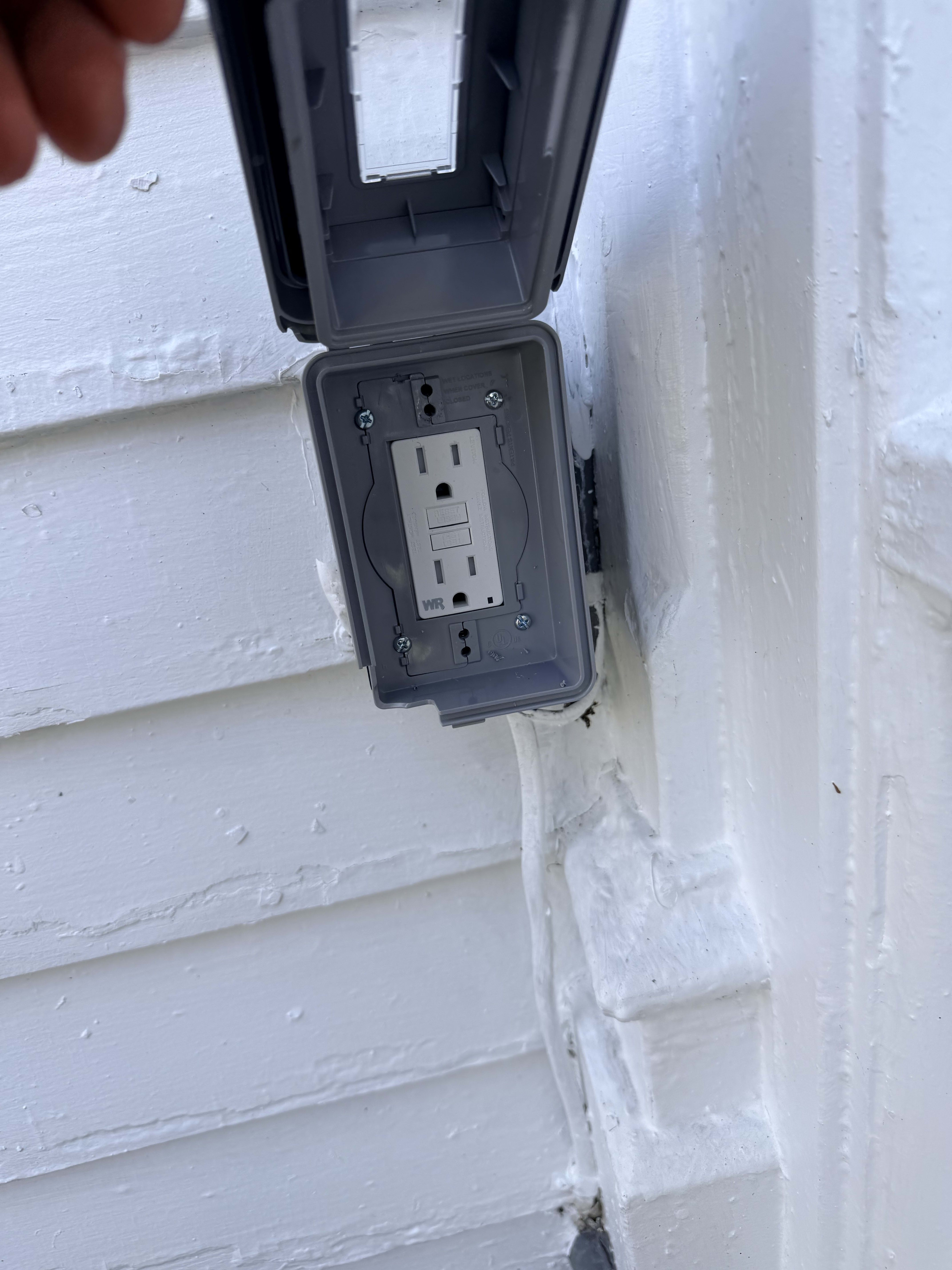
GFCI protection is designed to reduce this risk by interrupting power when a ground fault is detected.
Homeowners should ensure that appropriate GFCI protection is installed where required and that existing devices function properly.
Secure Access to Electrical Panels
Electrical panels should not be treated as storage spaces or play areas.
Keep children away from electrical equipment, and make sure the panel remains accessible to adults and qualified professionals.
Do not allow children to play near exposed wiring, damaged outlets, or electrical equipment being repaired.
When Should You Have Your Home's Electrical System Evaluated?
An electrical safety evaluation may be worthwhile if you live in an older home, have damaged or loose outlets, or are preparing a home for a new baby or young children.
An electrician can assess receptacles, switches, visible wiring concerns, and protective devices.
Electrical Safety for Bucks County Families
Whether you live in a newer home in Newtown or an older property in Doylestown, electrical safety should be part of your household's childproofing plan.
Thomas Edison Electric provides residential electrical services for homeowners in its Pennsylvania service area. Professional guidance can help identify outdated or damaged electrical components and determine which improvements may be appropriate.
Talk to an electrician
800.380.6800Available 24/7, including weekends.
Schedule Now- Same-day appointments
- Upfront, honest pricing
- Licensed and insured
Found this helpful?