



Electrical Safety for Pennsylvania Homes
Electrical safety is essential for protecting your home, family, and property. From older homes with outdated wiring to newer properties with increasing electrical demands, Pennsylvania homeowners should understand how to recognize potential hazards and keep their electrical systems operating safely.
Routine inspections, proper maintenance, and prompt attention to electrical problems can help reduce the risk of electrical fires, shocks, and costly repairs. Knowing when to call a licensed electrician is also an important part of maintaining a safe home.
Common Electrical Hazards in Pennsylvania Homes
Electrical problems can develop over time or occur when a home's electrical system is not equipped to handle modern demands. Pennsylvania homeowners should watch for several common warning signs.
Frequent circuit breaker trips: Repeatedly tripping breakers may indicate overloaded circuits, faulty wiring, or another electrical issue that needs professional attention.
Flickering or dimming lights: Lights that flicker when appliances turn on may indicate a circuit overload, loose connection, or wiring problem.
Warm outlets or switches: Outlets and switches that feel unusually warm, show discoloration, or emit a burning smell should be inspected promptly.
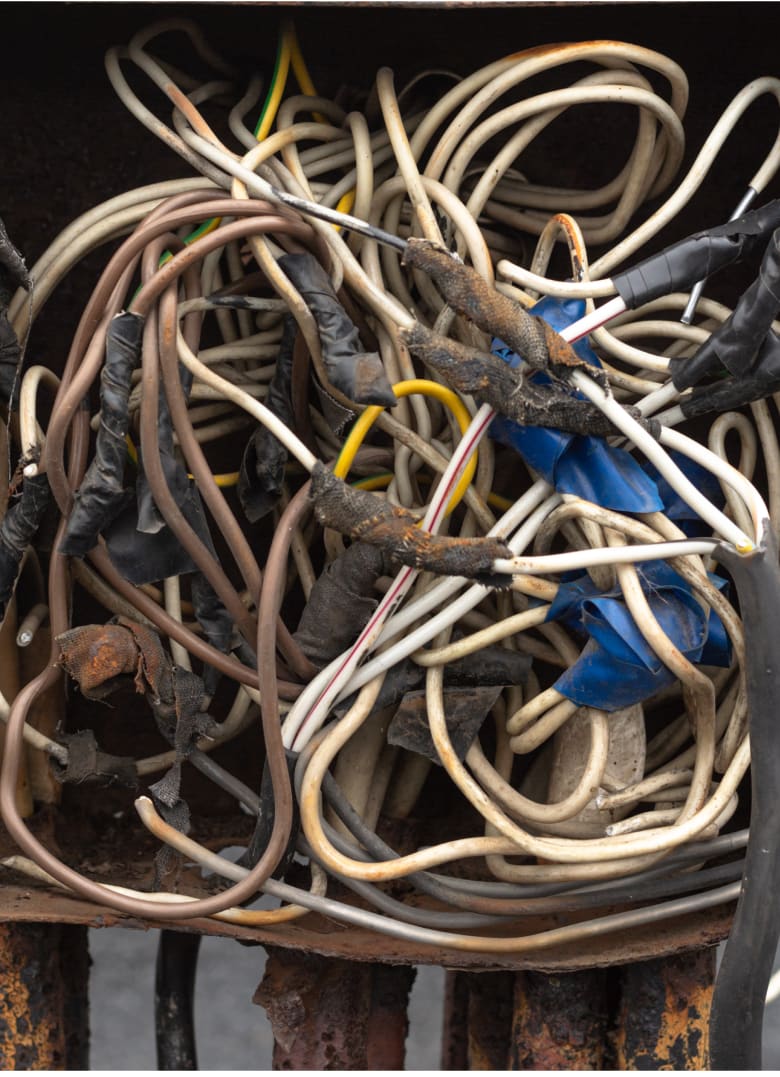
Damaged cords and outlets: Frayed cords, cracked outlet covers, and loose receptacles can increase the risk of electrical shock or fire.
Outdated electrical panels: Older panels may lack the capacity or protective features needed to support a home's current electrical demands.
Do not ignore these warning signs. If you notice smoke, sparks, a burning odor, or an outlet that is hot to the touch, stop using the affected equipment and seek professional help. If a fire starts, evacuate and call 911.
Protect Your Home From Electrical Fires
Electrical fires can cause extensive property damage and put lives at risk. Fortunately, homeowners can take several steps to reduce common electrical hazards.
Avoid plugging too many high-demand appliances into the same circuit. Space heaters, window air conditioners, and other powerful appliances may require dedicated circuits or specific installation requirements. Follow the manufacturer's instructions and avoid using extension cords as permanent wiring.
Keep combustible materials away from heat-producing electrical equipment, and replace damaged cords rather than attempting temporary repairs. Never run cords beneath rugs or furniture where they can become damaged or overheat.
Pennsylvania homeowners should also make sure smoke alarms are installed and maintained according to applicable requirements. Test alarms regularly and replace batteries or entire units as recommended by the manufacturer.
Use GFCI and AFCI Protection
Ground-fault circuit interrupters (GFCIs) and arc-fault circuit interrupters (AFCIs) provide different types of electrical protection.
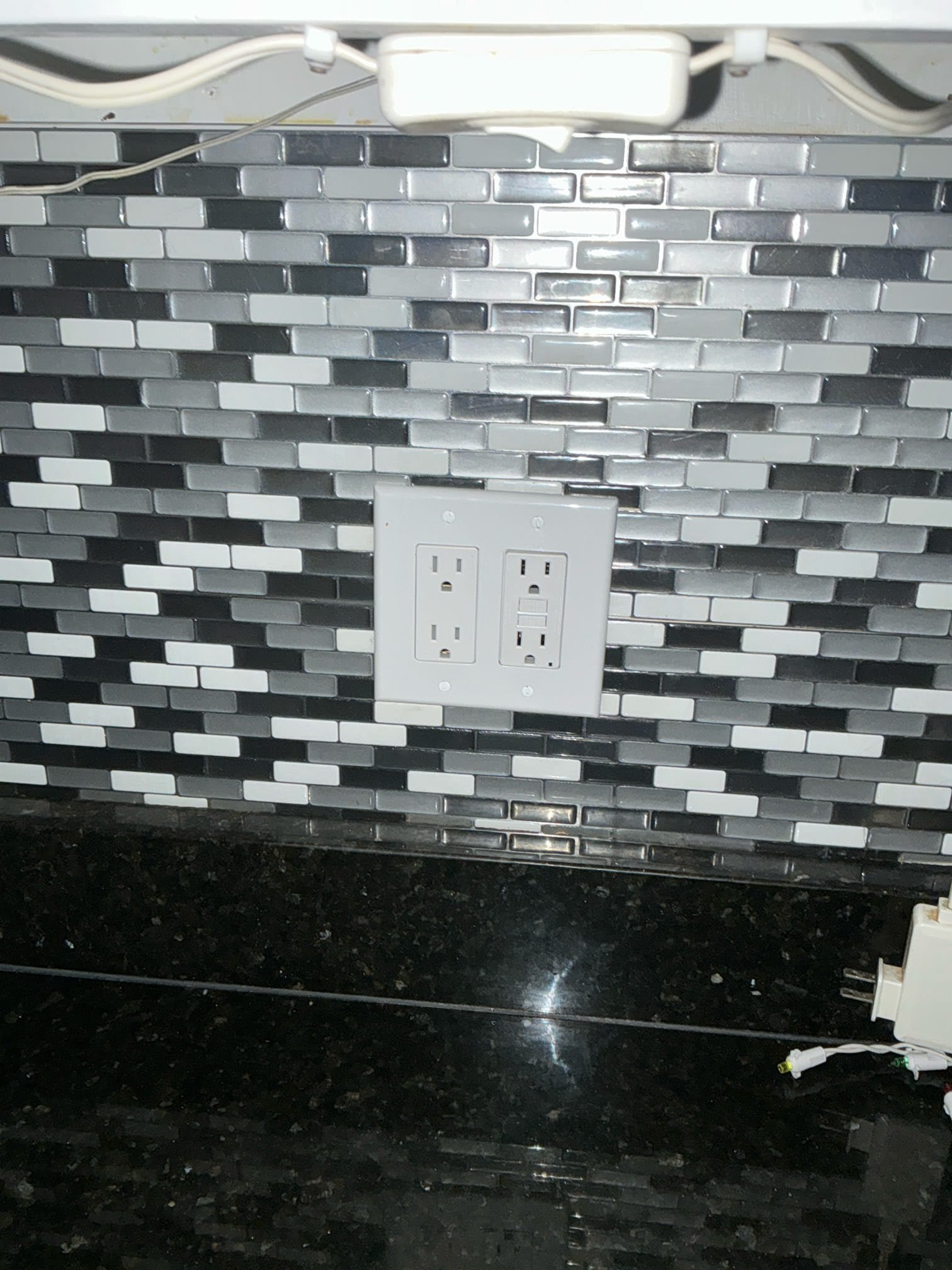
GFCI protection helps reduce the risk of electric shock by detecting certain imbalances in electrical current. It is especially important in areas where electricity and moisture may come into contact, such as bathrooms, kitchens, garages, outdoor spaces, and other locations specified by applicable electrical codes.
AFCI protection helps protect against fires caused by certain dangerous electrical arcing conditions. AFCI requirements apply to designated circuits and areas under the applicable electrical code.
Test GFCI receptacles and other protective devices according to their manufacturer's instructions. If a device fails to reset or repeatedly trips, have the underlying problem evaluated by a qualified electrician rather than bypassing the protection.
Take Extra Precautions During Pennsylvania Winters and Storms
Pennsylvania weather can create additional electrical safety concerns. Winter storms, heavy rain, high winds, and fallen tree limbs can damage power lines, electrical equipment, and service connections.
During a power outage, use flashlights or battery-powered lights instead of candles whenever possible. If you use a portable generator, operate it outdoors and well away from windows, doors, and other openings, following the manufacturer's clearance instructions. Never run a generator inside a home, garage, basement, or enclosed porch. Use properly installed transfer equipment to prevent dangerous backfeeding into utility lines.
Stay away from downed power lines and anything touching them. Assume every downed line is energized, keep others away, and contact the utility company or emergency services.
If your home experiences flooding, do not enter areas where electrical equipment may be submerged or energized. Have the affected electrical system assessed by a qualified professional before restoring power.
Know When Your Electrical Panel Needs Attention
Your electrical panel distributes power throughout your home and helps protect circuits from overloads. As homeowners add appliances, electric vehicle chargers, heat pumps, and other equipment, the existing panel may need to be evaluated.
Consider scheduling an electrical inspection if your panel is outdated, breakers trip frequently, you notice signs of overheating, or you are planning a major renovation or electrical upgrade.
Never remove a panel cover or attempt to repair internal electrical components yourself. Even when the main breaker is switched off, some components may remain energized. A licensed electrician can evaluate the panel's condition, available capacity, grounding, and protective devices and recommend appropriate improvements.
Schedule Regular Electrical Inspections
An electrical inspection can help identify potential hazards before they become serious problems. Inspections are particularly useful when purchasing an older home, renovating a property, installing major appliances, or addressing recurring electrical issues.
A qualified electrician can inspect accessible wiring, outlets, switches, grounding and bonding, the electrical panel, and applicable safety protections. The electrician can also identify concerns related to previous modifications or equipment that may no longer meet current safety standards.
Pennsylvania homeowners should be aware that electrical permitting and inspection requirements can vary by municipality and project type. Before beginning electrical work, check local requirements and use a qualified professional familiar with the applicable codes.
Keep Your Pennsylvania Home Electrically Safe
Electrical safety begins with recognizing warning signs, avoiding unsafe DIY repairs, and maintaining the systems that power your home. By addressing electrical problems promptly, using appropriate protective devices, and scheduling professional inspections when needed, Pennsylvania homeowners can help protect their families and properties.
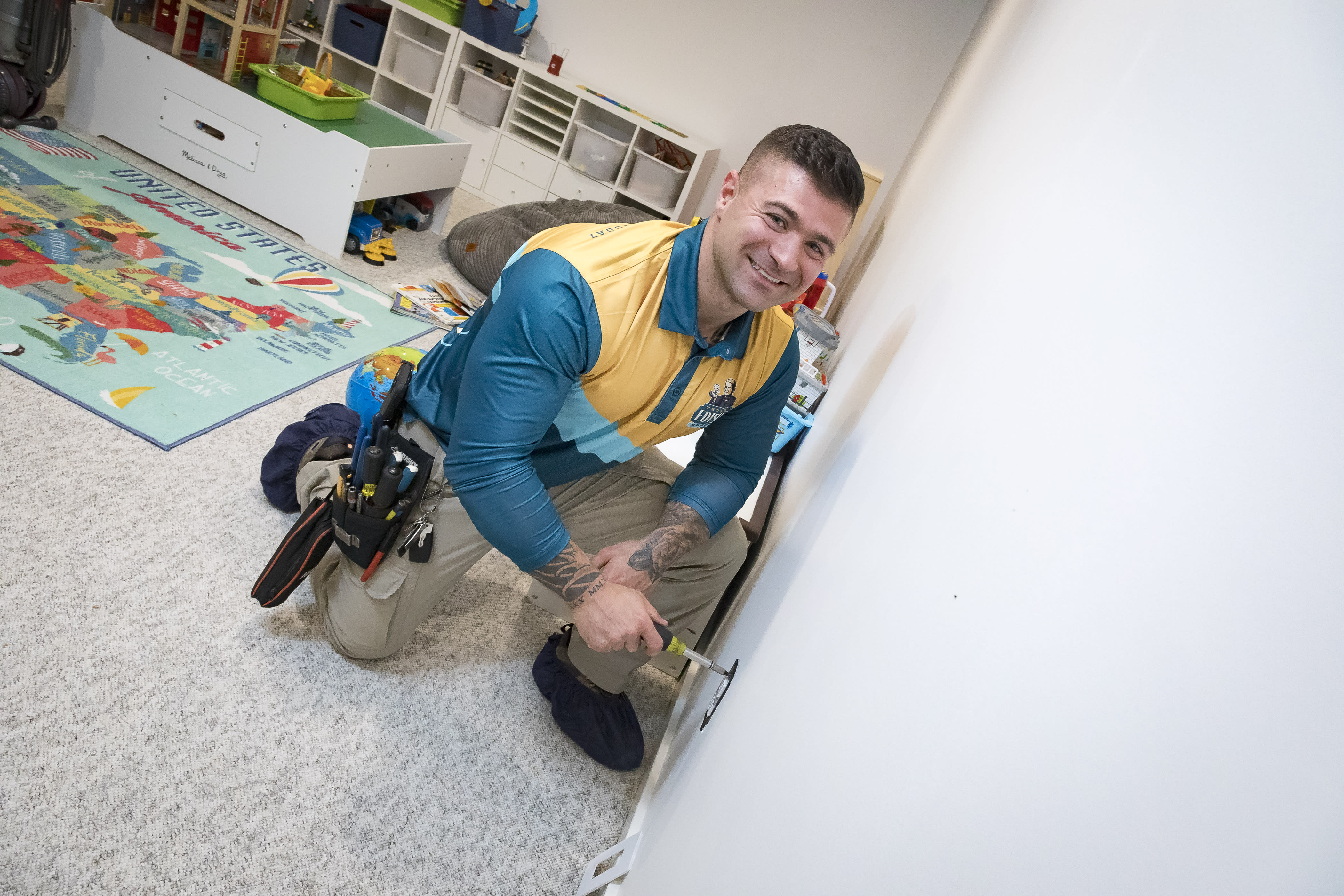
If you notice recurring breaker trips, damaged wiring, warm outlets, or other electrical concerns, contact a qualified electrician to evaluate the problem. Professional electrical service can help you identify hazards, make necessary repairs, and maintain a safer home.
Ready when you are
Book online in a couple of minutes, or call and speak to someone now. We answer 24/7.
Found this helpful?
Pass it along to a neighbor, tenant, or friend who could use it.
'/%3e%3c/svg%3e)
'/%3e%3c/svg%3e)

'/%3e%3c/svg%3e)
'/%3e%3c/svg%3e)
