





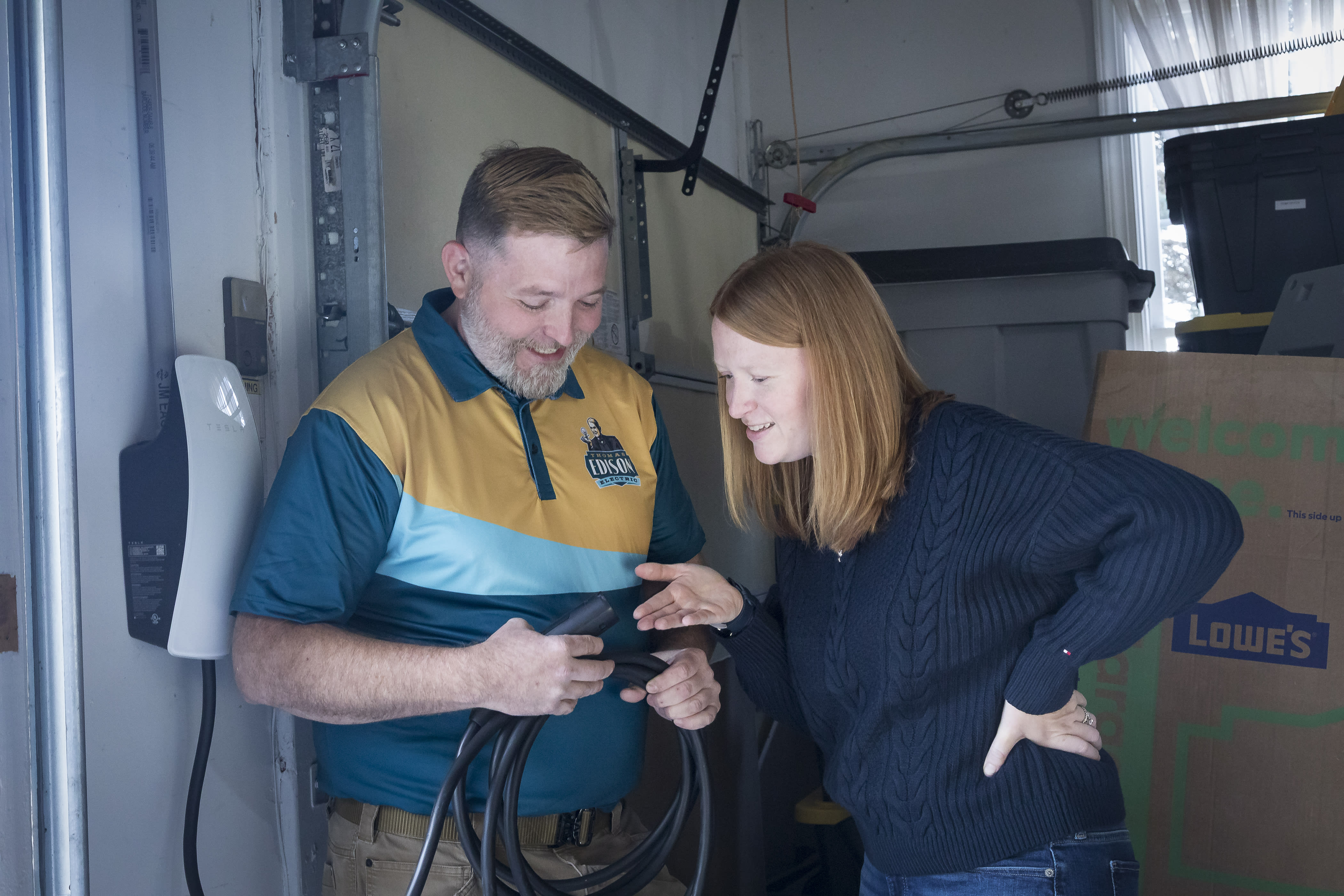
Electric vehicles are becoming increasingly common on New Jersey roads, and for many EV owners, charging at home is the most convenient way to keep their vehicle ready to go.
While a Level 1 charger can plug into a standard 120-volt outlet, many New Jersey homeowners choose a Level 2 home charger because it can charge an EV significantly faster. Installing one, however, isn't always as simple as plugging in a new appliance. Your home's electrical system needs to be able to safely support the additional load, and some installations require electrical work, permits, and inspections.
Here's what New Jersey homeowners should know before installing a Level 2 EV charger.
What Is a Level 2 EV Charger?
Level 2 chargers operate at 240 volts, using the type of electrical service commonly associated with appliances such as electric dryers and ranges.
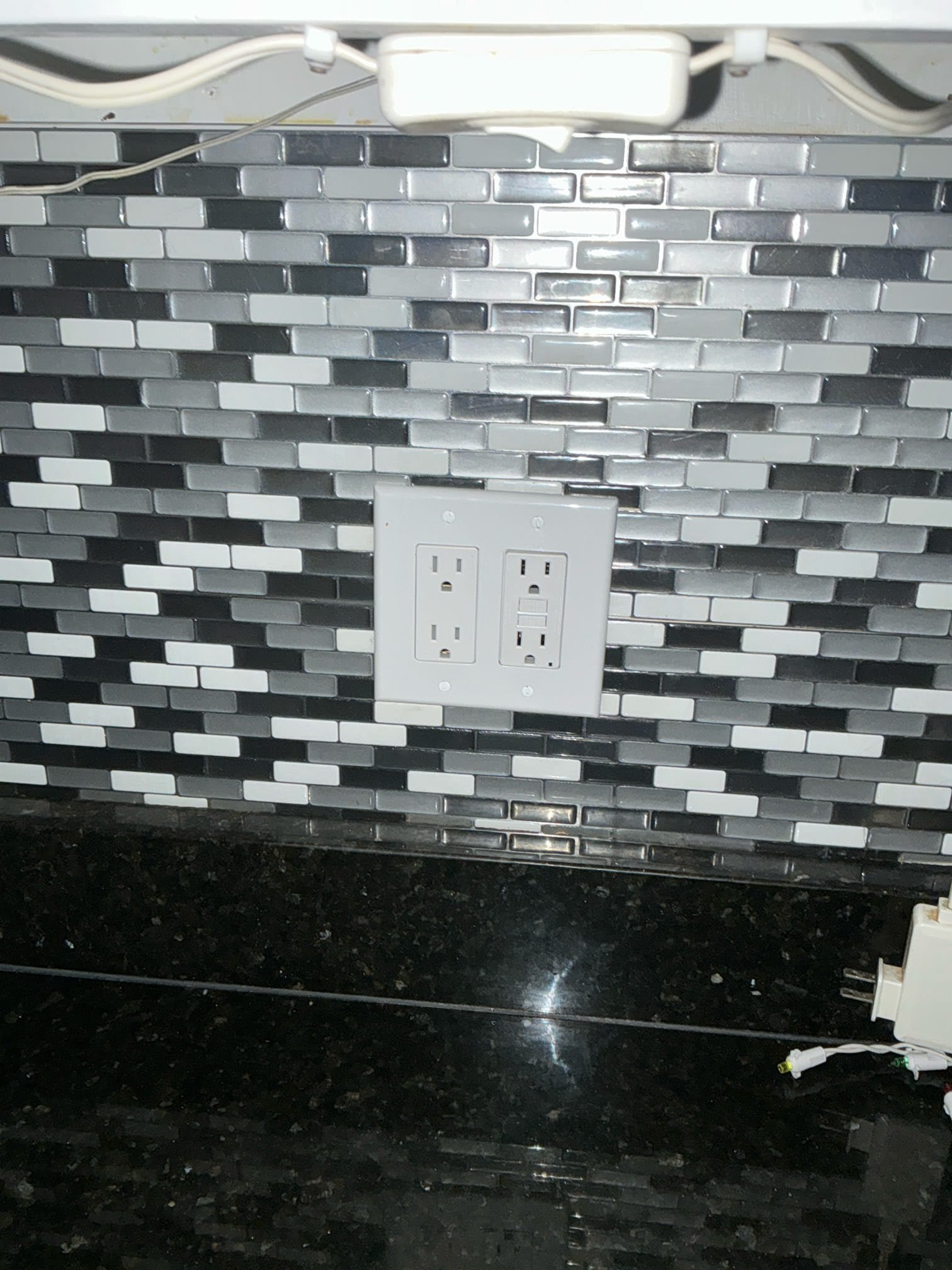
A Level 1 charger uses a standard 120-volt outlet and may be sufficient for drivers with short daily commutes. However, Level 2 charging can provide substantially more power, making it a more practical option for homeowners who drive frequently or want to recharge their vehicle overnight.
New Jersey's Drive Green NJ program notes that Level 1 charging can work for some homeowners, while drivers with longer commutes may benefit from Level 2 charging and the installation of a 240-volt outlet.
Can Your New Jersey Home Handle an EV Charger?
Before installing a Level 2 charger, an electrician should evaluate the home's existing electrical system.
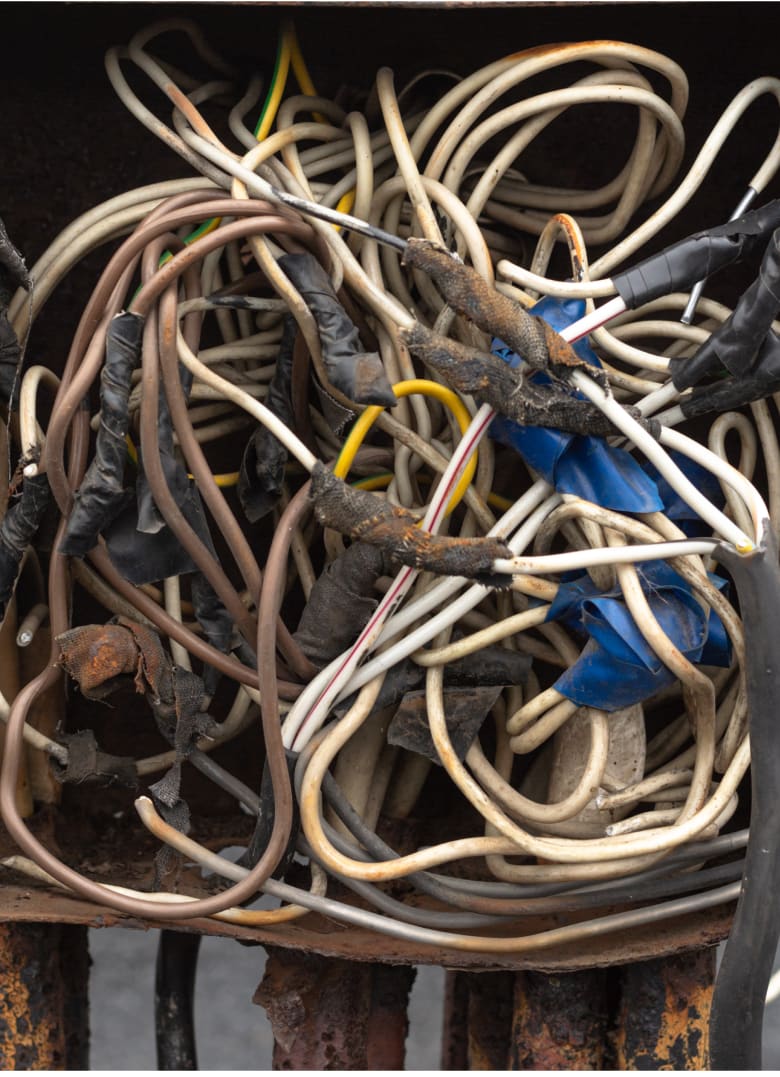
This is particularly important in older New Jersey homes. A house may have adequate electrical service for the way it was originally designed but not necessarily enough capacity for today's combination of air conditioning, electric appliances, heat pumps, an EV charger, and other high-demand equipment.
An electrical evaluation can help determine:
The home's existing service capacity
Whether the electrical panel has sufficient capacity
Whether a new dedicated circuit is needed
Whether the existing wiring is appropriate
Whether an electrical panel upgrade may be necessary
Where the charger should be located
Whether additional electrical work is required
Installing an EV charger without considering the home's overall electrical load can create unnecessary safety risks and may result in an installation that doesn't meet applicable electrical requirements.
Does an EV Charger Installation Require a Permit in New Jersey?
The answer depends on the type of installation.
New Jersey's construction code distinguishes between equipment that simply plugs into an existing appropriate receptacle and electrical work that modifies or upgrades a home's electrical system. The New Jersey Department of Community Affairs specifically addresses EV charging equipment and associated permit requirements.
If installing a Level 2 charger requires a new 240-volt circuit, electrical modifications, or other work to the home's electrical system, homeowners should work with a qualified electrician who can determine what permits and inspections are required by the applicable municipality.
For example, PSE&G's residential EV charging program requires participating customers to obtain a permit for an EV smart charger installation and pass a subsequent electrical inspection, unless the municipality confirms that a permit isn't required.
Because requirements can vary based on the municipality and the specifics of the project, homeowners should not assume that every EV charger installation follows exactly the same process.
Where Should You Install a Home EV Charger?
Most homeowners install EV chargers in a garage, carport, or driveway.
The ideal location depends on several factors, including:
Where the vehicle is normally parked
The distance between the electrical panel and charger
Whether the charger will be installed indoors or outdoors
The available wall space
The length of the charging cable
The home's existing electrical configuration
An outdoor charger can be a practical option for homes without a garage, but the equipment and installation need to be appropriate for the environment.
What If Your Electrical Panel Isn't Large Enough?
An EV charger doesn't necessarily mean that you need a complete electrical service upgrade.
An electrician can evaluate the home's existing system and determine whether there is another appropriate solution. In some cases, a new dedicated circuit may be sufficient. In others, the home's electrical service or panel may need to be upgraded.
This is one reason an electrical evaluation should come before purchasing equipment or scheduling an installation.
Should You Buy the Charger Before Calling an Electrician?
Not necessarily.
There are numerous Level 2 chargers available, and the right choice depends on your vehicle, electrical system, installation location, and charging needs.
Talking with an electrician before purchasing equipment can help ensure that the charger you select is compatible with the planned installation.
If you've already purchased a charger, an electrician can evaluate the equipment and determine what will be required to install it safely.
Professional EV Charger Installation in New Jersey
Adding an EV charger is an investment in your home as well as your vehicle. A professional installation can help ensure that the charger is properly connected to your home's electrical system and that required electrical work is completed correctly.
Thomas Edison Electric provides home EV charger installation along with electrical panel evaluations, dedicated circuits, troubleshooting, and other residential electrical services throughout New Jersey and Pennsylvania.
If you're considering a Level 2 charger for your New Jersey home, the first step is an electrical evaluation. A qualified electrician can assess your existing system, explain your options, and determine what is needed for a safe installation.
Ready when you are
Book online in a couple of minutes, or call and speak to someone now. We answer 24/7.
Found this helpful?
Pass it along to a neighbor, tenant, or friend who could use it.

'/%3e%3c/svg%3e)
'/%3e%3c/svg%3e)

'/%3e%3c/svg%3e)
'/%3e%3c/svg%3e)
