

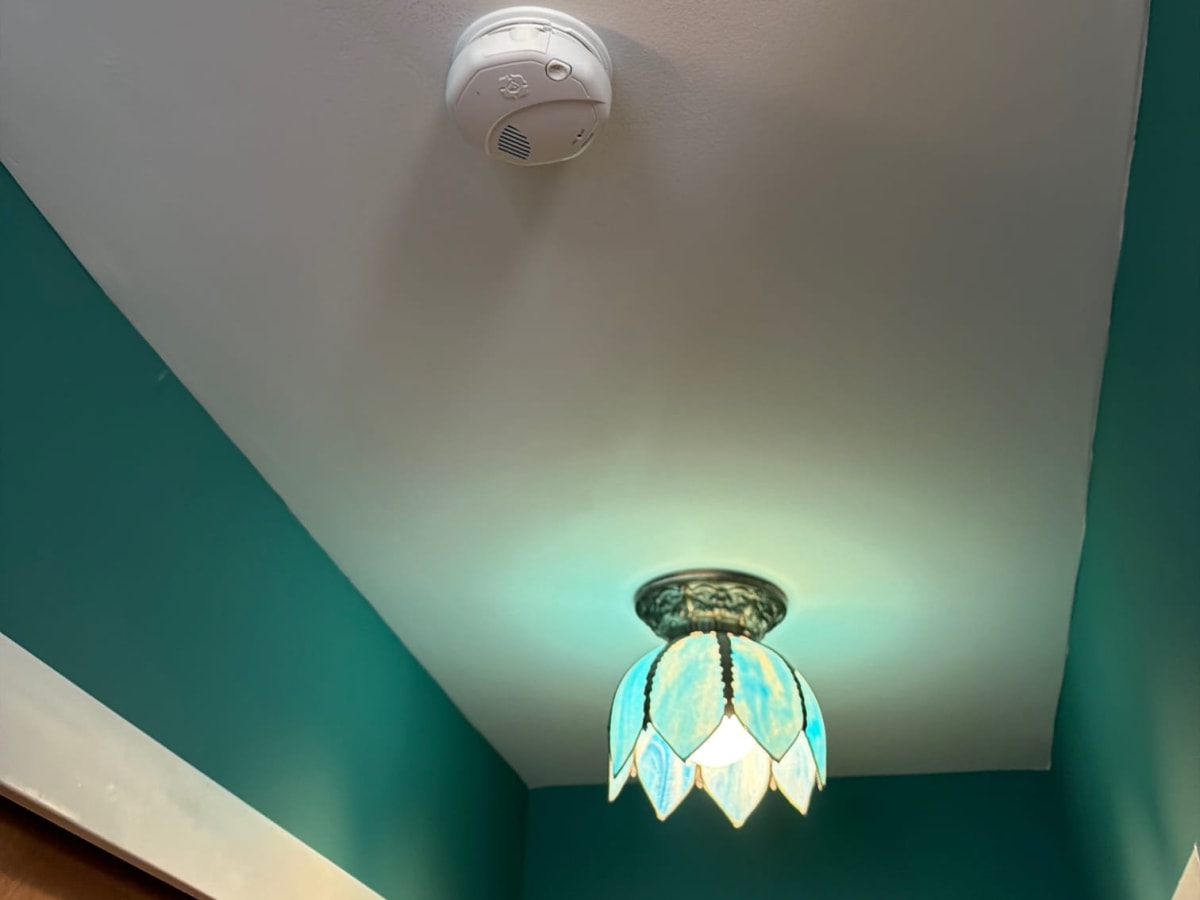
Smoke alarms provide an important early warning when a fire develops inside a home. For many homeowners, these devices are easy to forget about until an alarm begins chirping, a unit stops responding, or a replacement is needed.
Some homes use battery-powered alarms, while others have hardwired smoke detectors connected to the home's electrical system. Hardwired units may also include battery backup and connections that allow multiple alarms to sound together.
Understanding how these systems work can help Pennsylvania homeowners recognize common problems and determine when electrical service is needed.
What Is a Hardwired Smoke Detector?
A hardwired smoke detector receives its primary power from the home's electrical wiring. Many models also have a backup battery to help maintain operation during a power interruption.
Some hardwired alarms are interconnected. When one detects smoke, it can signal the other compatible alarms in the system to sound as well.
This arrangement can help alert occupants in other areas of the home, rather than relying only on the alarm closest to the fire.
The exact features depend on the model and installation. Follow the manufacturer's instructions for testing, maintenance, and replacement.
Why Are Interconnected Smoke Alarms Important?
A fire may begin in a room far from where people are sleeping or spending time. Interconnected alarms can provide an earlier warning throughout the home by causing multiple compatible units to sound when one detects smoke.
Interconnection may be achieved through wiring or compatible wireless technology, depending on the system.
If one alarm sounds but others do not, there may be a problem with the interconnection, the devices, or the way the system was installed. Not every alarm system uses the same arrangement, so the correct troubleshooting steps depend on the equipment.
If your alarms are interconnected, do not disconnect the wiring or remove devices simply to stop nuisance alarms. Identify the cause and restore the system to proper operation.
Why Does a Hardwired Smoke Detector Keep Chirping?
A chirping alarm does not always indicate a problem with the home's electrical wiring. Several issues can produce similar symptoms.
Low backup battery: A hardwired alarm may still use a backup battery. If the battery is low or incorrectly installed, the alarm may chirp.
End of service life: Smoke alarms have a limited service life. Many models require replacement after a specified number of years, as indicated by the manufacturer.
Dust or contamination: Dust and other particles can affect a detector's operation. Follow the manufacturer's cleaning instructions.
Power interruption: Some alarms indicate a loss of primary power through a warning light or sound pattern.
Device malfunction: A defective alarm or another system problem may require replacement or professional evaluation.
Check the model's instructions to identify the meaning of its warning signals. Do not assume that every chirp means the battery needs replacing, particularly if the device continues to signal after the recommended steps have been completed.
What If a Hardwired Smoke Detector Has No Power?
If an alarm's power indicator is off or the unit appears unresponsive, the cause may involve the electrical supply, a connection problem, the device itself, or its backup battery.
First, consult the manufacturer's instructions and check whether the alarm is showing a known warning pattern. If the device is part of a hardwired system and still appears to have lost power, contact a qualified electrician.
Do not remove the alarm and leave the opening or wiring unattended. A smoke alarm that is not functioning properly can leave an important gap in your home's fire-warning system.
If there is an actual indication of smoke or fire, evacuate and contact emergency services rather than spending time troubleshooting the alarm.
Can You Replace a Hardwired Smoke Detector With a Different Model?
Not every smoke detector is compatible with every existing installation.
Replacement considerations include the manufacturer's compatibility guidance, the wiring arrangement, the interconnection system, the alarm's mounting hardware, and the applicable requirements for the home.
Even when a replacement appears physically similar, it may not work correctly with the existing interconnected alarms.
Before buying a replacement, identify the existing model and review the manufacturer's approved replacement options. If the wiring is unfamiliar or the system includes several interconnected devices, have an electrician evaluate the installation.
When Should You Call an Electrician?
Electrical assistance may be appropriate when:
A hardwired alarm repeatedly loses power.
Multiple alarms are not communicating as expected.
A replacement requires changes to the wiring.
Wires or connections appear damaged.
The system behaves inconsistently after the recommended maintenance steps.
You are installing new hardwired or interconnected alarms as part of a renovation.
An electrician can evaluate the wiring and connections, determine whether the equipment is compatible, and help restore the system's intended operation.
Battery replacement and routine testing may be simple homeowner maintenance tasks, but wiring changes and electrical troubleshooting require appropriate care.
Smoke Alarm Requirements in Pennsylvania
Smoke alarm requirements can depend on the home's age, construction, occupancy, and the circumstances of an installation or renovation. Requirements may also differ between existing homes and new construction.
If you are purchasing a home, renovating a property, or changing the smoke alarm system, confirm the applicable requirements with the relevant local authority and your qualified contractor.
Do not assume that an older installation meets every current requirement simply because it was accepted when the home was built.
How to Maintain Your Smoke Alarm System
A few routine habits can help keep your alarms ready to operate:
Test alarms according to the manufacturer's instructions.
Replace backup batteries when required.
Keep alarms clean using the recommended method.
Check the manufacture or replacement date.
Replace units when required by the manufacturer.
Investigate persistent chirping or warning signals.
Make sure alarms are not left disconnected after troubleshooting.
Smoke alarms should remain functional while problems are being addressed. If a unit has failed or must be temporarily taken out of service, follow appropriate fire-safety guidance and restore the required protection promptly.
Get Help With Hardwired Smoke Detector Problems
Hardwired smoke detectors are part of your home's electrical and fire-safety systems. When alarms lose power, fail to interconnect, or need wiring changes, the underlying issue should be addressed rather than ignored.
Thomas Edison Electric provides residential electrical services for homeowners in Pennsylvania, including electrical troubleshooting and repairs. If you are experiencing hardwired smoke detector problems or planning an electrical renovation that involves smoke alarms, contact Thomas Edison Electric to discuss your project.
Maintaining a properly functioning alarm system is an important part of keeping your home prepared for an emergency.
Ready when you are
Book online in a couple of minutes, or call and speak to someone now. We answer 24/7.
Found this helpful?
Pass it along to a neighbor, tenant, or friend who could use it.