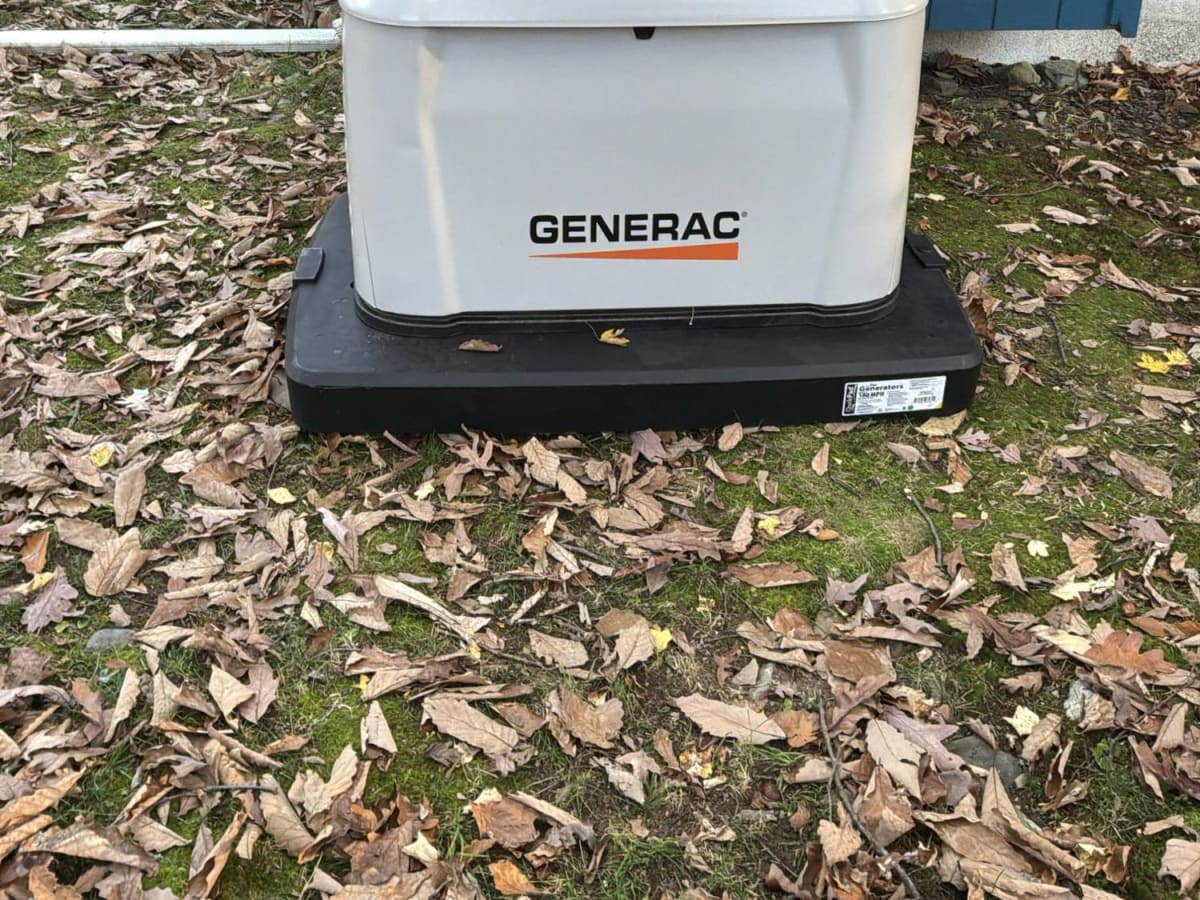
Power outages can disrupt everyday life, especially when they affect heating, refrigeration, lighting, or other essential household equipment. For Pennsylvania homeowners who want a more reliable backup power option, a standby generator may be worth considering.
Unlike a portable generator that must be brought out and set up when needed, a permanently installed standby generator is connected to the home's electrical system. Depending on its capacity and configuration, it can supply power to selected circuits or a larger portion of the home when utility service is interrupted.
But installing one involves more than choosing a generator. The electrical connection, transfer equipment, available capacity, and installation location all need to be considered before the system is put into service.
Understand What a Standby Generator Does
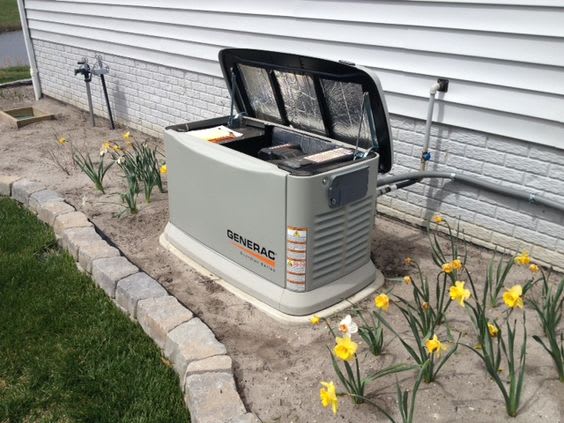
A standby generator is a permanently installed backup power source designed to operate when normal utility power is unavailable. Many residential models use natural gas or propane, although the fuel arrangement depends on the equipment.
Some systems are designed to support selected household circuits, while others may be sized to supply a much larger electrical load. The generator's capacity determines which appliances and systems can operate at the same time.
Before choosing a model, think about what you actually want to keep running during an outage. Heating equipment, refrigerators, lighting, communications equipment, and other essential devices may be priorities. Larger loads, such as central air conditioning or electric cooking equipment, can substantially affect the generator size needed. An electrical assessment can help translate those priorities into a realistic backup-power plan.
Why a Transfer Switch Is Important
One of the most important parts of a standby generator installation is the transfer switch. A transfer switch manages the connection between the utility supply and the generator. It is designed to prevent the two power sources from being connected in an unsafe way at the same time.
This matters because improperly connecting a generator to household wiring can send electricity back onto utility lines. This is called backfeeding, and it can endanger utility workers and others who may come into contact with electrical lines during an outage.
Transfer equipment may operate automatically or manually, depending on the generator system. The appropriate configuration depends on the equipment and the home's electrical setup.
Never attempt to connect a generator to a household wall outlet or improvise a connection to the electrical panel. A qualified electrician should install the appropriate transfer equipment and connections.
Determine Which Circuits Need Backup Power
Not every homeowner needs to power the entire house during an outage. In some cases, a smaller generator and a system designed for selected circuits may be a more practical choice.
Think about which household systems are most important to you. A homeowner may prioritize refrigeration, certain lighting circuits, heating controls, internet equipment, or a well pump. Another household may have different needs.
The electrician can evaluate the circuits you want to support and determine whether the generator can handle their combined electrical demand. It is important to account for equipment that may start at the same time, since some appliances draw more power when their motors initially operate.
If you want the generator to support more circuits in the future, mention that during planning. Choosing equipment based only on current needs may limit your options later.
Have Your Electrical Panel Evaluated
Your home's electrical panel plays an important role in a generator installation. The electrician needs to understand the existing service, panel configuration, available space, and the circuits you intend to back up.
A home with an older electrical panel or limited available capacity may need additional work before the generator can be connected appropriately. That does not automatically mean a full panel replacement is necessary. The right approach depends on the condition and configuration of the existing equipment.
It is also worth considering whether you have other electrical upgrades planned. If you are anticipating a new appliance, an EV charger, or another major addition, discussing those plans together may help you make more informed decisions about your home's electrical capacity.
Plan the Generator's Location
A standby generator needs an appropriate outdoor location. Placement affects accessibility, installation requirements, noise, maintenance, and safety.
Follow the generator manufacturer's instructions and applicable local requirements for clearances, ventilation, and installation. The unit must be positioned so that exhaust does not enter the home through doors, windows, vents, or other openings.
Fuel supply and site conditions also matter. Depending on the equipment, installation may involve coordination with a qualified fuel-system professional as well as the electrician. Do not assume that a convenient spot beside the house is automatically suitable. The location should be evaluated before installation begins.
Understand Permits and Installation Requirements
Generator installations may involve electrical, building, mechanical, fuel, or other local requirements. The applicable permits and inspections depend on the project and the municipality.
Pennsylvania homeowners should confirm the requirements with the appropriate local permitting authority before work begins. Utility coordination may also be necessary depending on the electrical service and generator connection.
A professional installation should include appropriate transfer equipment, electrical connections, grounding and bonding provisions, and any required inspections. The generator manufacturer may also specify installation and commissioning procedures. Ask who is responsible for coordinating the different parts of the project so that electrical and fuel work are completed in the correct sequence.
Remember That Generators Need Maintenance
A standby generator is not a completely maintenance-free solution. The equipment needs to be maintained according to the manufacturer's schedule, including any recommended testing, inspections, and service.
Many systems have automatic exercise cycles that periodically run the generator to check operation. These features do not eliminate the need for professional maintenance.
Keep the area around the generator clear and make sure it remains accessible for service. Pay attention to warning lights, error messages, or unusual sounds, and arrange for service when the manufacturer recommends it.
Plan for Backup Power Before the Next Outage
A standby generator can provide added convenience and resilience during a power interruption, but the system needs to be designed around your home's actual electrical needs. Generator capacity, transfer equipment, panel compatibility, placement, and local requirements all matter.
If you are considering standby generator installation at your Pennsylvania home, Thomas Edison Electric can help evaluate the electrical side of the project and discuss the work involved in connecting backup power safely. Planning ahead can help you make an informed decision before an outage leaves you without the power you rely on.
Talk to an electrician
800.380.6800Available 24/7, including weekends.
Schedule Now- Same-day appointments
- Upfront, honest pricing
- Licensed and insured
Found this helpful?