
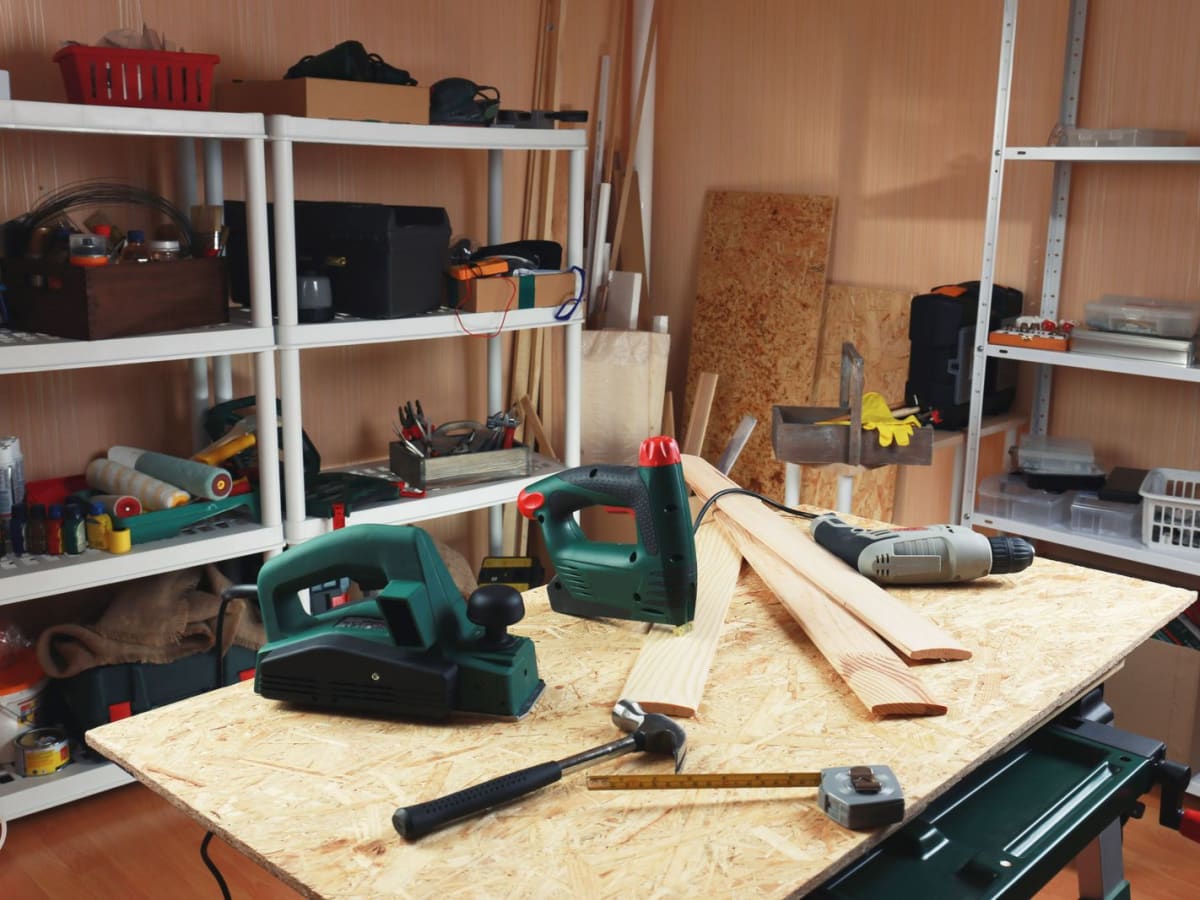
A garage can be an ideal place for woodworking, repairs, hobbies, and other hands-on projects. But turning a space designed for parking and storage into a functional workshop often requires more than adding a workbench and bringing in a few power tools.
Garage workshop electrical planning helps ensure that lighting, outlets, and electrical capacity are appropriate for the equipment you'll use. Planning these details before setting up your workspace can help prevent inconvenient limitations and reduce electrical hazards.
Start With the Equipment You Plan to Use
The electrical needs of a workshop depend on its purpose. Someone using a drill and a small soldering station will have different requirements from a homeowner operating a table saw, air compressor, or other larger equipment.
Make a list of the tools and appliances you expect to use. Check their manufacturer specifications, including voltage, amperage, and any special circuit requirements.
Some equipment may need more power than a standard receptacle can provide. Other tools may have startup demands that should be considered when evaluating the electrical system.
An electrician can assess the existing setup and help determine whether it can support your intended use.
Don't Underestimate Workshop Lighting
Good lighting is important for both comfort and safety. Poor visibility can make it harder to measure materials accurately, operate tools, and notice potential hazards.
A workshop may benefit from a combination of general overhead lighting and task lighting over workbenches or equipment areas. LED fixtures are a common choice because they provide efficient illumination and are available in a range of brightness levels.
Consider where shadows may fall when you're standing at a workbench or operating machinery. Fixture placement should account for how the space will actually be used.
Plan Outlet Placement Around Your Workspace
A common frustration in home workshops is having too few conveniently located outlets. Extension cords may seem like an easy solution, but relying on them for everyday tool use can create trip hazards and may lead to overloaded circuits.
Think about where workbenches, stationary tools, charging stations, and storage areas will be located. Outlets should be positioned so cords don't have to cross walkways or pass near moving equipment.
The number, type, and placement of receptacles should be evaluated as part of the overall electrical plan. Garage environments may also have specific requirements for receptacle protection and installation.
Consider Dust, Moisture, and Physical Damage
Garages and workshops can be harsher environments than finished living spaces. Sawdust, humidity, temperature changes, and accidental impacts can all affect electrical equipment.
Electrical devices should be suitable for their location and installed where they are less likely to be damaged. Keep electrical panels and equipment accessible, and avoid storing materials in ways that obstruct them.
If your garage has a history of water intrusion or damp conditions, mention that during the planning process. The appropriate electrical protection and equipment depend on the conditions in the space.
When an Existing Garage Needs Electrical Upgrades
Older garages may have limited outlets, inadequate lighting, or wiring that was never intended to support power tools. Adding equipment without evaluating the existing system can create problems.
An electrician can review the wiring, available capacity, grounding, and condition of existing devices. Depending on the project, additional circuits or other improvements may be appropriate.
Permit and inspection requirements vary depending on the scope of work and local jurisdiction. Confirm applicable requirements before beginning a renovation.
Build a Workshop That Works for You
A well-planned garage workshop should support your projects without forcing you to work around inadequate lighting or inconvenient electrical access. Whether you're converting a garage in Newtown, Langhorne, or another Bucks County community, professional electrical planning can help make the space safer and more useful.
Contact Thomas Edison Electric to discuss electrical work for your garage workshop.
Ready when you are
Book online in a couple of minutes, or call and speak to someone now. We answer 24/7.
Found this helpful?
Pass it along to a neighbor, tenant, or friend who could use it.