



New Jersey homeowners know that severe weather can arrive in any season. Summer thunderstorms, high winds, hurricanes, nor'easters, ice, and heavy snow can all damage electrical infrastructure and leave homes without power.
When the lights go out, your first priority should be safety.
Knowing what to do—and what not to do—can help you avoid electrical hazards while waiting for power to be restored.
Determine Whether the Outage Is Limited to Your Home
Before assuming there is a widespread power outage, check whether nearby homes and streetlights still have power.
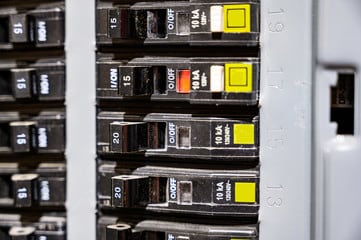
If the outage appears to affect only your home, check your electrical panel if it is safe to do so.
If a breaker has tripped, it may be possible to reset it. However, if the breaker trips again immediately, don't keep resetting it. There may be an electrical problem that requires professional attention.
Stay Away From Downed Power Lines
Never approach a downed power line after a storm.
A line that appears inactive may still be energized. Keep people and pets away from the area and contact the appropriate utility or emergency authorities.
Don't touch the line, nearby objects that may be in contact with it, or standing water near electrical equipment.
Don't Assume a Flooded Electrical System Is Safe
Heavy rain and flooding can create additional electrical hazards.
If electrical equipment, outlets, appliances, or parts of the electrical system have been exposed to water, don't attempt to use them until they've been evaluated appropriately.
Water and electricity are an extremely dangerous combination.
Check for Electrical Damage
After severe weather, look around your property for signs of electrical damage.
Potential warning signs include:
Damaged electrical equipment
Exposed wiring
Sparks
Burning smells
Scorch marks
Damaged outlets
Water intrusion
A damaged electrical panel
Fallen branches contacting electrical equipment
If you notice any of these problems, don't attempt a DIY repair. Contact a qualified electrician.
Be Careful With Generators
A portable generator can provide valuable backup power during an outage, but it must be operated correctly.
Never operate a portable generator inside a home, garage, basement, or other enclosed area. Generators produce carbon monoxide, which can accumulate to dangerous levels.
Generators also need to be connected to a home's electrical system correctly. Improper connections can create serious hazards, including backfeeding electricity into utility lines.
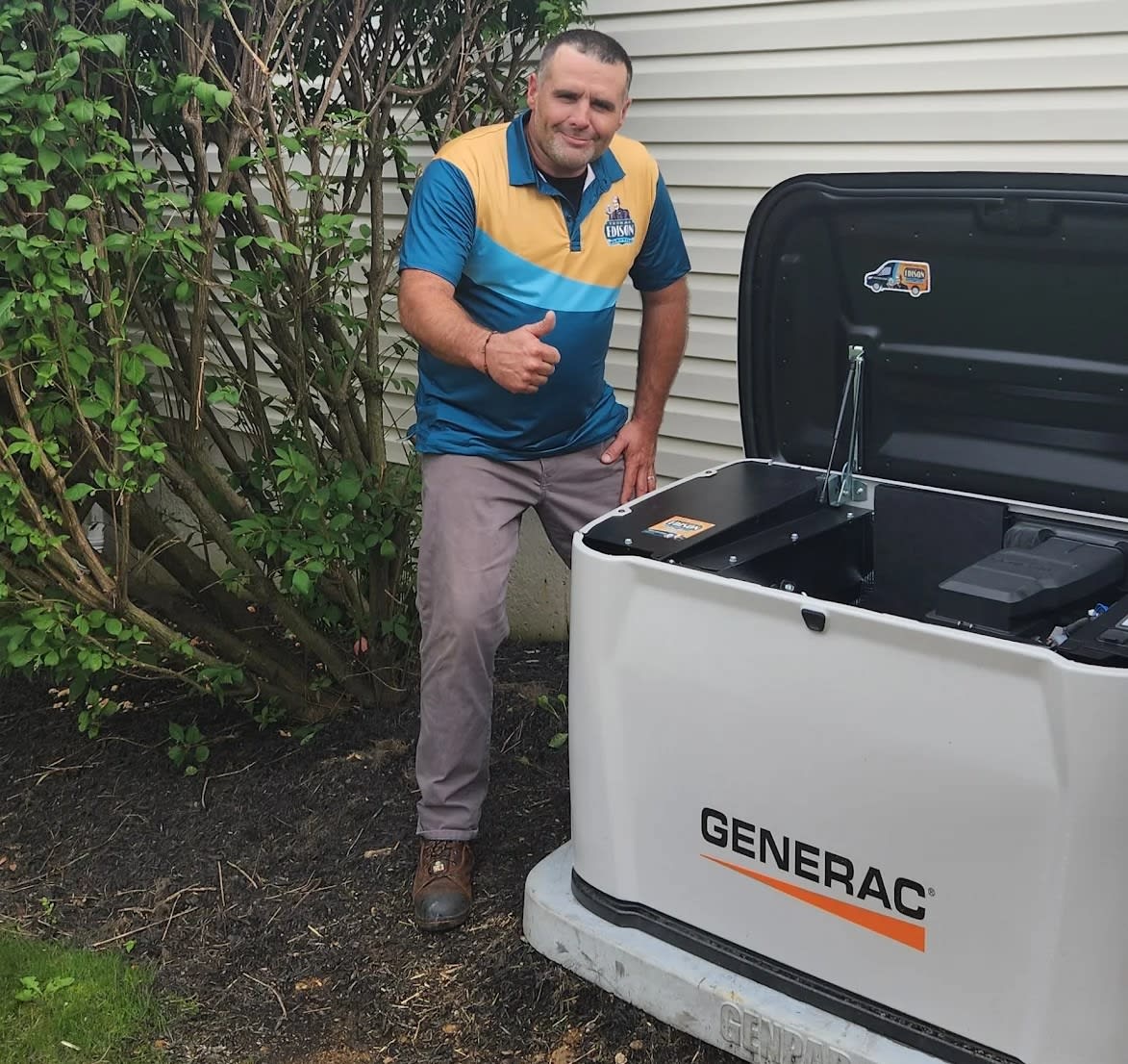
If you want a permanently installed backup power solution, a standby generator and properly installed transfer equipment can provide a more convenient option.
What If Only Part of Your House Has Power?
Partial power loss can be confusing.
If some rooms have electricity while others don't, there could be an issue with a particular circuit, electrical equipment, or another part of the home's electrical system.
Don't assume that partial power means the problem is minor. If you've checked the obvious causes and the issue persists, an electrician can diagnose the system.
When Should You Call an Emergency Electrician?
Some electrical problems should be addressed as soon as possible.
Contact an electrician if you experience:
Burning odors
Sparks
Exposed or damaged wiring
Repeatedly tripping breakers
A damaged electrical panel
Electrical equipment damaged by water
Partial power loss that cannot be explained
Electrical damage caused by a fallen tree or storm debris
If there is an immediate danger involving a downed power line, fire, or other emergency, contact the appropriate emergency or utility services first.
Preparing for the Next New Jersey Storm
The best time to think about backup power is before the next storm arrives.
Homeowners who experience frequent outages may want to consider a standby generator. Others may benefit from having an electrician evaluate their electrical system and address potential problems before severe weather exposes them.
It can also be helpful to know where your home's electrical panel and main shutoff are located and to keep flashlights and other emergency supplies readily available.
Storm-Related Electrical Services in New Jersey
Thomas Edison Electric provides residential electrical repairs, emergency electrical services, generator installation, panel services, and other electrical solutions throughout New Jersey and Pennsylvania.
If your home has sustained electrical damage during a storm, don't take chances with damaged wiring or equipment. A qualified electrician can assess the situation and determine what needs to be repaired or replaced.
Ready when you are
Book online in a couple of minutes, or call and speak to someone now. We answer 24/7.
Found this helpful?
Pass it along to a neighbor, tenant, or friend who could use it.
'/%3e%3c/svg%3e)
'/%3e%3c/svg%3e)

'/%3e%3c/svg%3e)
'/%3e%3c/svg%3e)
