





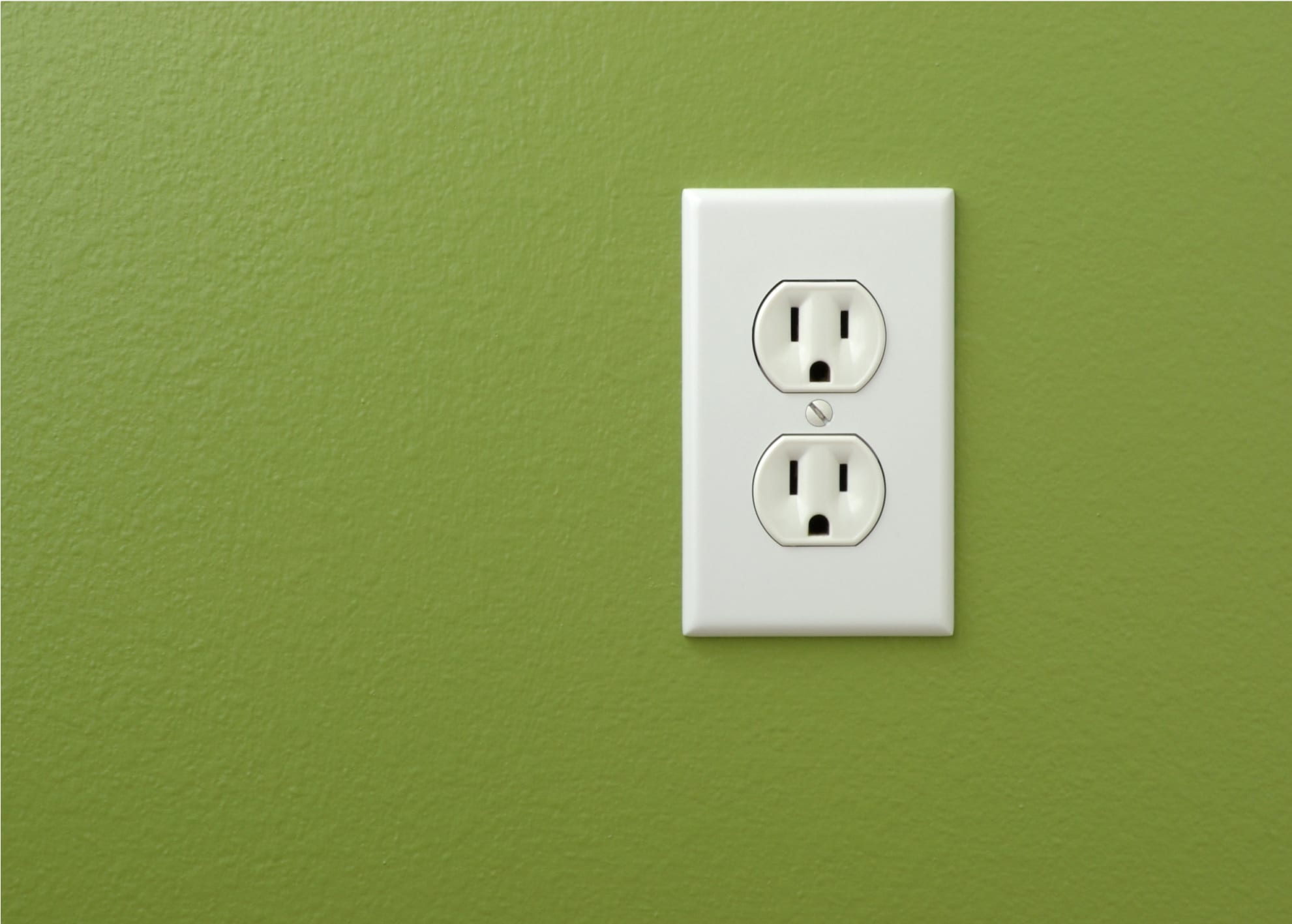
When one or more electrical outlets suddenly stop working, it's easy to assume the outlet itself has failed. However, several different electrical issues can cause an outlet to lose power.
Some problems are relatively simple, while others can indicate an issue elsewhere in the electrical system. Understanding a few common causes can help you determine when it's time to call an electrician.
A Tripped Circuit Breaker
A tripped circuit breaker is one of the first things to check when an outlet stops working.
Circuit breakers are designed to interrupt power when a circuit experiences certain electrical problems. If a breaker has tripped, some or all of the outlets and other devices on that circuit may lose power.
If the breaker continues to trip after being reset, however, don't keep resetting it. Repeated trips can indicate an underlying electrical problem that should be evaluated by a qualified electrician.
A Tripped GFCI Outlet
Another common cause is a tripped ground-fault circuit interrupter, or GFCI.
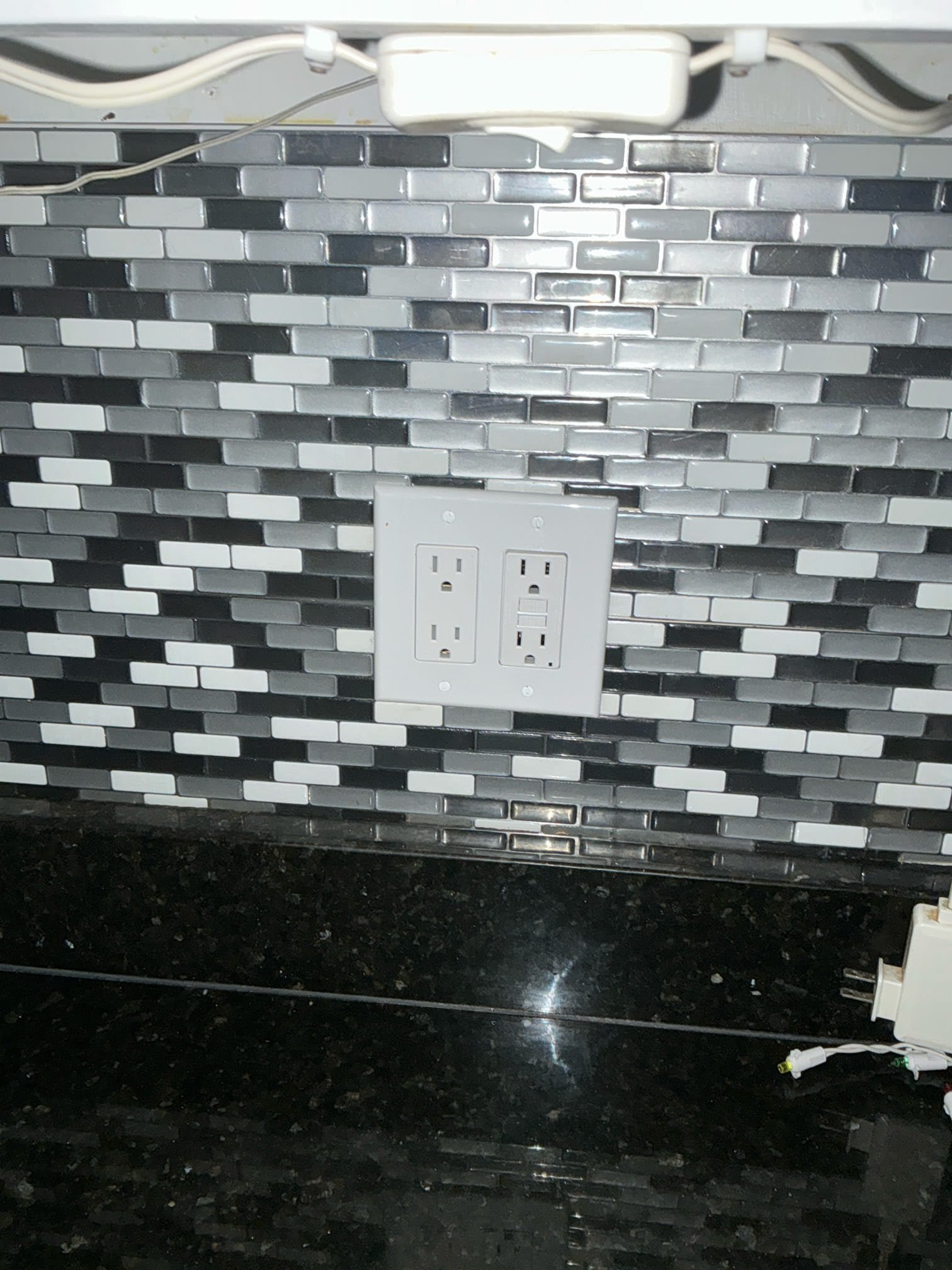
GFCI protection is commonly used in areas where electrical equipment may come into contact with water. A GFCI outlet can interrupt power when it detects a potentially dangerous electrical imbalance.
Importantly, a GFCI outlet can sometimes control or affect power to other outlets downstream on the same circuit. If an outlet isn't working, check nearby GFCI outlets for a reset button.
If resetting the GFCI doesn't restore power, or the GFCI won't reset, the circuit should be evaluated by an electrician.
A Loose or Damaged Connection
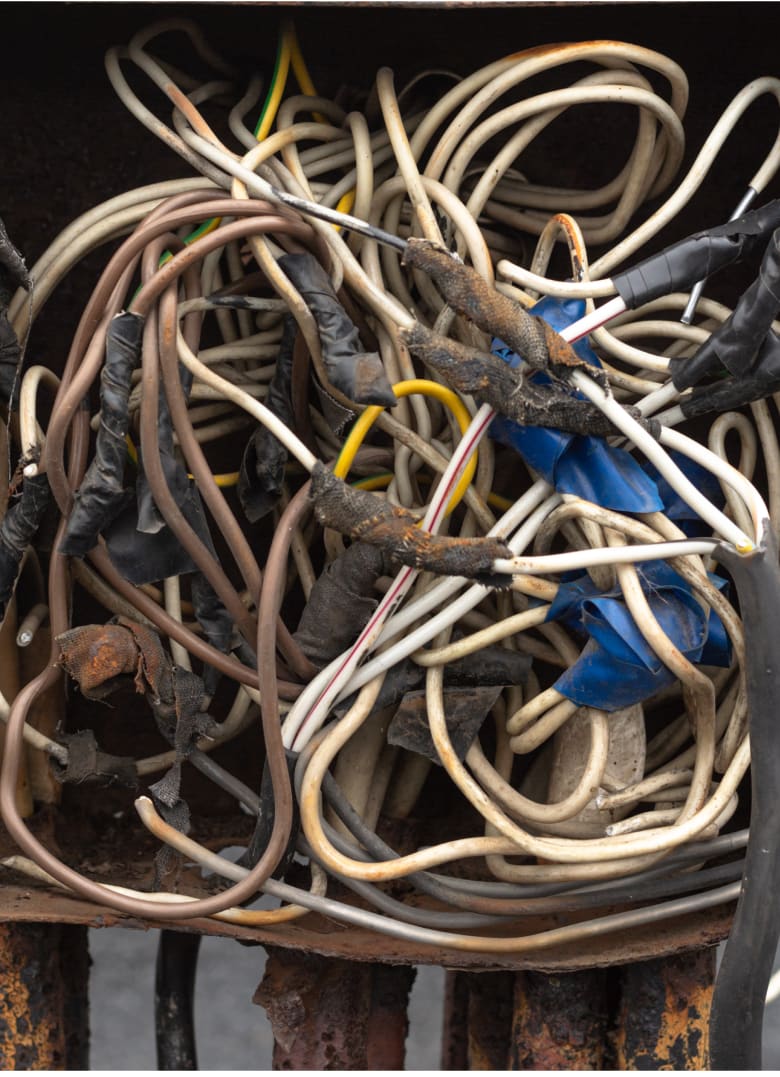
An outlet can stop working because of a loose connection or damaged wiring. Electrical connections can deteriorate over time, particularly in older installations.
Warning signs can include a loose receptacle, discoloration, warmth around the outlet, buzzing, crackling, or a burning smell.
Do not remove an outlet cover or attempt to repair internal wiring yourself if you're not qualified to do so. Electrical wiring can remain energized even when a particular device isn't functioning.
A Problem Elsewhere on the Circuit
The outlet that isn't working isn't necessarily where the problem is located.
A connection or device farther upstream on the circuit can affect power to outlets farther along the circuit. This can make troubleshooting difficult without testing the circuit and its components.
An electrician can identify where power is being interrupted and determine whether the problem involves a receptacle, connection, wiring, breaker, or another component.
When Should You Call an Electrician?
If resetting a breaker or GFCI doesn't resolve the issue, or if an outlet shows signs of damage, it's a good idea to have it evaluated.
You should also contact an electrician if multiple outlets suddenly stop working, an outlet feels hot, you notice burning odors or unusual sounds, or the problem keeps returning.
These signs can indicate an electrical issue that shouldn't be ignored.
Get Help With Non-Working Outlets in New Jersey
A dead outlet may be a simple issue, but it can also be a sign of a larger electrical problem. A professional evaluation can identify the cause and help ensure the repair is completed safely.
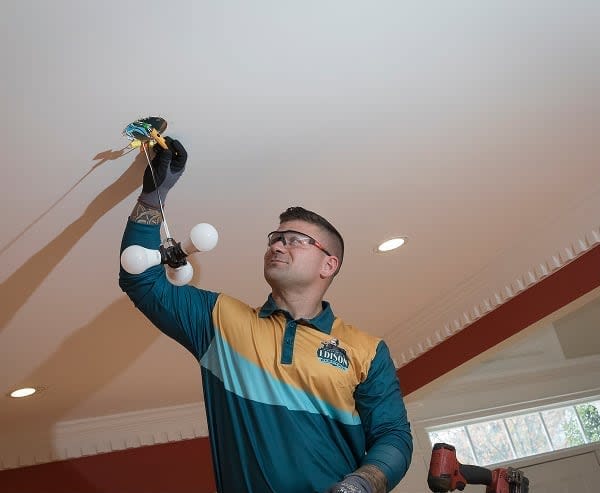
Thomas Edison Electric provides residential electrical services throughout New Jersey. Contact us if you're having problems with outlets, circuits, breakers, or other electrical components in your home.
Ready when you are
Book online in a couple of minutes, or call and speak to someone now. We answer 24/7.
Found this helpful?
Pass it along to a neighbor, tenant, or friend who could use it.
'/%3e%3c/svg%3e)
'/%3e%3c/svg%3e)

'/%3e%3c/svg%3e)
'/%3e%3c/svg%3e)
