



Power outages are a fact of life for many Pennsylvania homeowners. Severe thunderstorms, high winds, winter storms, ice, flooding, and other weather events can all disrupt electrical service.
A short outage may be little more than an inconvenience. A longer outage can affect heating and cooling, refrigeration, sump pumps, internet access, lighting, and other essential parts of your home.
Preparing before an outage occurs can make a major difference.
Know What to Do When the Power Goes Out
When the electricity goes out, first determine whether the outage appears to affect your entire neighborhood or only your home.
If nearby homes are also without power, contact your utility company to report the outage and check for updates.
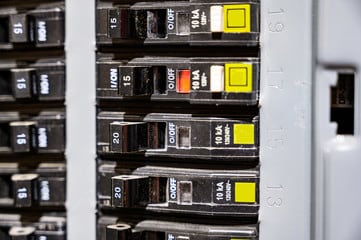
If only your home appears to be affected, you can check your electrical panel if it is safe to do so. A tripped breaker may explain the loss of power.
If a breaker immediately trips again after being reset, don't continue resetting it. Repeated trips can indicate an underlying electrical problem.
Keep an Emergency Kit Ready
Pennsylvania's emergency preparedness guidance recommends preparing for power outages by keeping important supplies available and knowing how to contact your local utility.
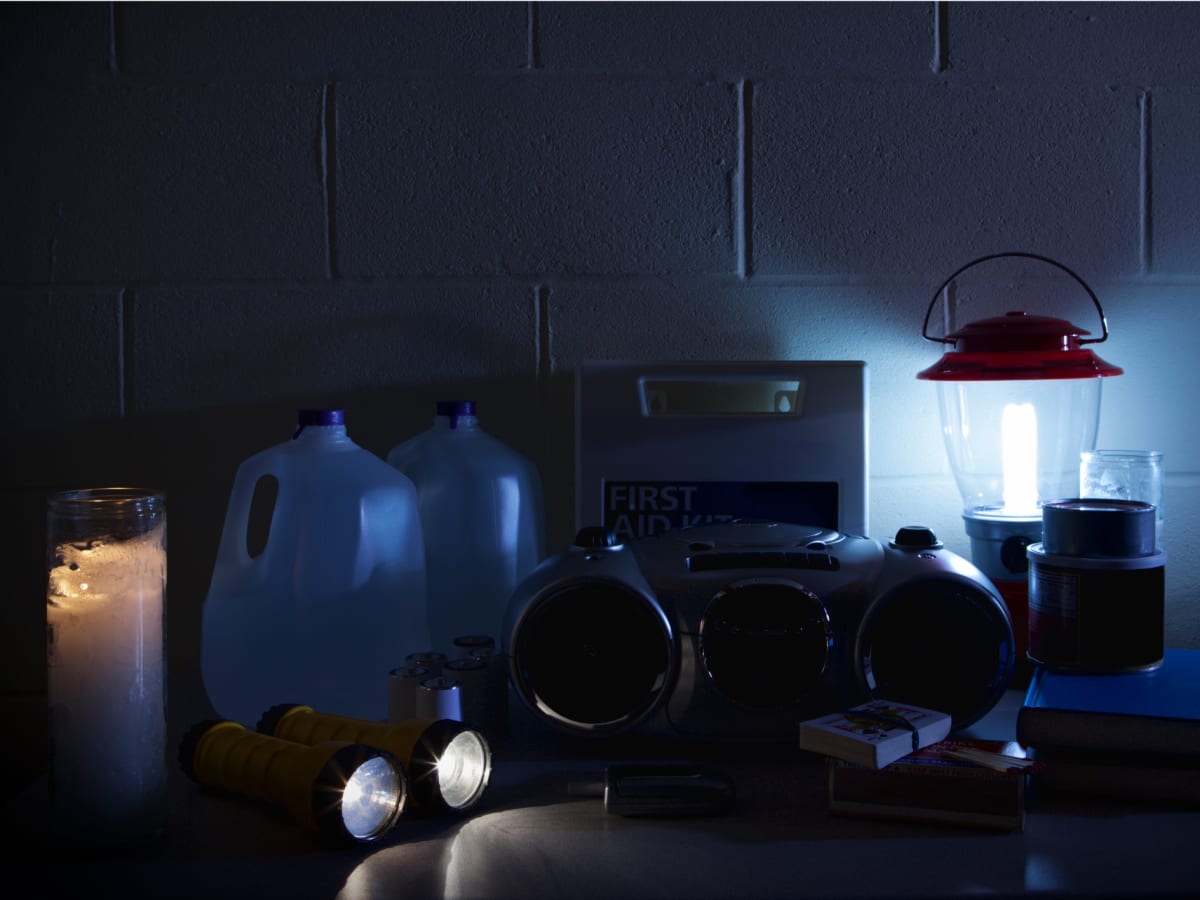
A basic outage kit might include:
Flashlights
Extra batteries
Battery-powered or rechargeable devices
Portable phone chargers
Necessary medications
Bottled water
Nonperishable food
Blankets during cold-weather outages
A battery-powered radio
It's also helpful to know where your electrical panel is located and how to safely access it.
Consider a Backup Generator
For homeowners who experience frequent or prolonged outages, a backup generator can provide an additional layer of protection.
A portable generator can supply power to selected appliances, while a permanently installed standby generator can automatically provide backup electricity when the utility power fails.
The right option depends on your home's electrical needs and how much of the house you want to keep running during an outage.
Generator Safety Is Critical
Generators need to be used correctly.
Pennsylvania's emergency preparedness guidance specifically warns homeowners never to operate a generator inside a home or garage and recommends placing portable generators outdoors at least 20 feet from windows, doors, and attached garages.
Generators also should not be connected to a home's electrical system using an improper connection.
Improper generator connections can create serious electrical hazards, including the possibility of electricity being sent back through utility lines.
If you want a generator connected to your home's electrical system, have the installation performed by a qualified professional.
What Is a Standby Generator?
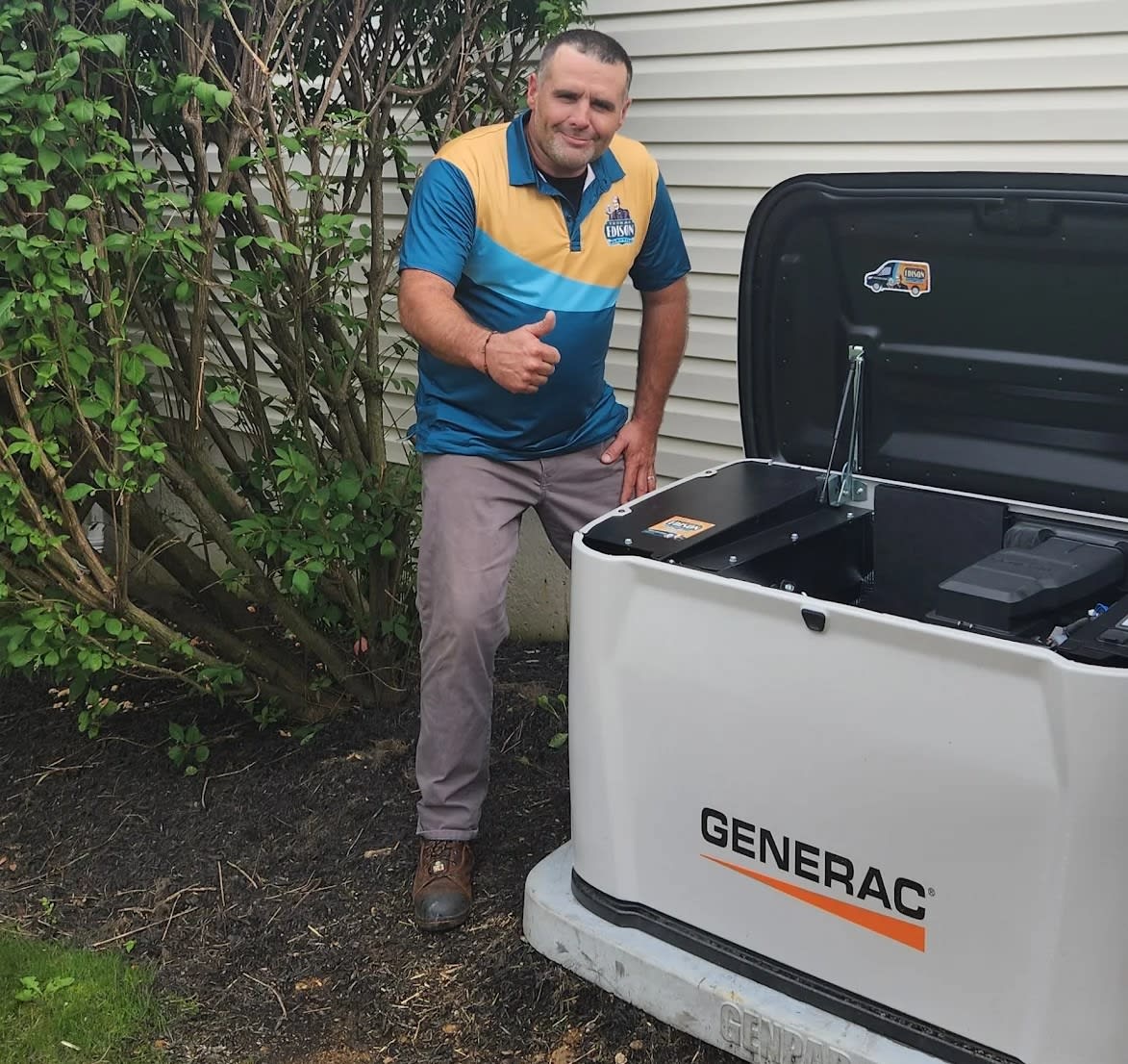
A standby generator is permanently installed outside the home and connected to the home's electrical system through appropriate transfer equipment.
When utility power fails, the system can automatically switch to generator power.
Depending on the generator and the home's electrical requirements, the system can provide power to essential circuits or a much larger portion of the home.
For homeowners who don't want to manually set up a portable generator every time a storm approaches, a standby system can offer considerable convenience.
How Much of Your Pennsylvania Home Can a Generator Power?
That depends on the generator's capacity and the home's electrical demands.
Some homeowners want to maintain only essential equipment, such as:
Refrigerators and freezers
Heating systems
Sump pumps
Internet equipment
Lighting
Security systems
Selected outlets
Others want a generator capable of supporting most or all of their home's electrical system.
A professional can evaluate your electrical load and help determine what size system makes sense for your home.
What If Your Home Floods During a Storm?
Flooding can create particularly serious electrical hazards.
Pennsylvania's Department of Health warns homeowners to avoid electrical equipment exposed to floodwater and to stay away from downed power lines, especially when water is present.
If you see damaged wiring, sparks, or signs of burning after a flood, don't attempt to investigate or repair the electrical system yourself.
If reaching your electrical panel requires walking through standing water, wait for professional assistance rather than taking the risk.
Don't Wait Until the Next Storm
A major storm is the worst time to start researching backup power.
If your home has experienced repeated outages, consider having your electrical system evaluated before the next severe weather event.
An electrician can assess your existing electrical system, discuss generator options, and determine what would be required to safely provide backup power.
Generator and Electrical Services in Pennsylvania
Thomas Edison Electric provides generator installation, electrical repairs, panel services, and other residential electrical services throughout Pennsylvania and New Jersey.
If you're tired of worrying about the next Pennsylvania power outage, planning ahead can give you more options. A professional electrical evaluation can help you determine whether a portable generator, standby generator, or another backup-power solution is right for your home.
Ready when you are
Book online in a couple of minutes, or call and speak to someone now. We answer 24/7.
Found this helpful?
Pass it along to a neighbor, tenant, or friend who could use it.
'/%3e%3c/svg%3e)
'/%3e%3c/svg%3e)

'/%3e%3c/svg%3e)
'/%3e%3c/svg%3e)
