
If your New Jersey home still has two-prong electrical outlets, you may have wondered whether they need to be replaced. These outlets are common in older properties, particularly homes built before grounded receptacles became standard in residential electrical installations.
Although a two-prong outlet may continue to supply electricity normally, it does not provide the same equipment-grounding connection as a properly installed three-prong receptacle. That distinction matters when you plug in modern appliances, electronics, tools, and other equipment.
The good news is that finding two-prong outlets does not automatically mean your entire home needs to be rewired. Several approaches may be available, depending on the existing wiring and the intended use of the outlets.
Understanding those options can help you make informed decisions about electrical improvements.
Why Do Older Homes Have Two-Prong Outlets?
Electrical systems have changed considerably over the decades. Older homes were built when households used fewer electrical appliances and devices, and their electrical installations reflected the standards and expectations of that period.
Many older branch circuits were installed without an equipment grounding conductor. Because the original wiring did not include that additional conductor, the receptacles installed at the time generally had two slots rather than three.
You may encounter these outlets in homes throughout South Jersey, including older neighborhoods in Cherry Hill, Haddonfield, Camden, and Burlington County. Some properties have retained much of their original wiring, while others have undergone renovations that introduced newer electrical components alongside older circuits. A home can therefore contain a mixture of two-prong and three-prong receptacles.
The age of an outlet alone does not establish the condition of the wiring behind it. An electrician needs to evaluate the actual installation before recommending an upgrade.
What Does a Two-Prong Outlet Tell You?
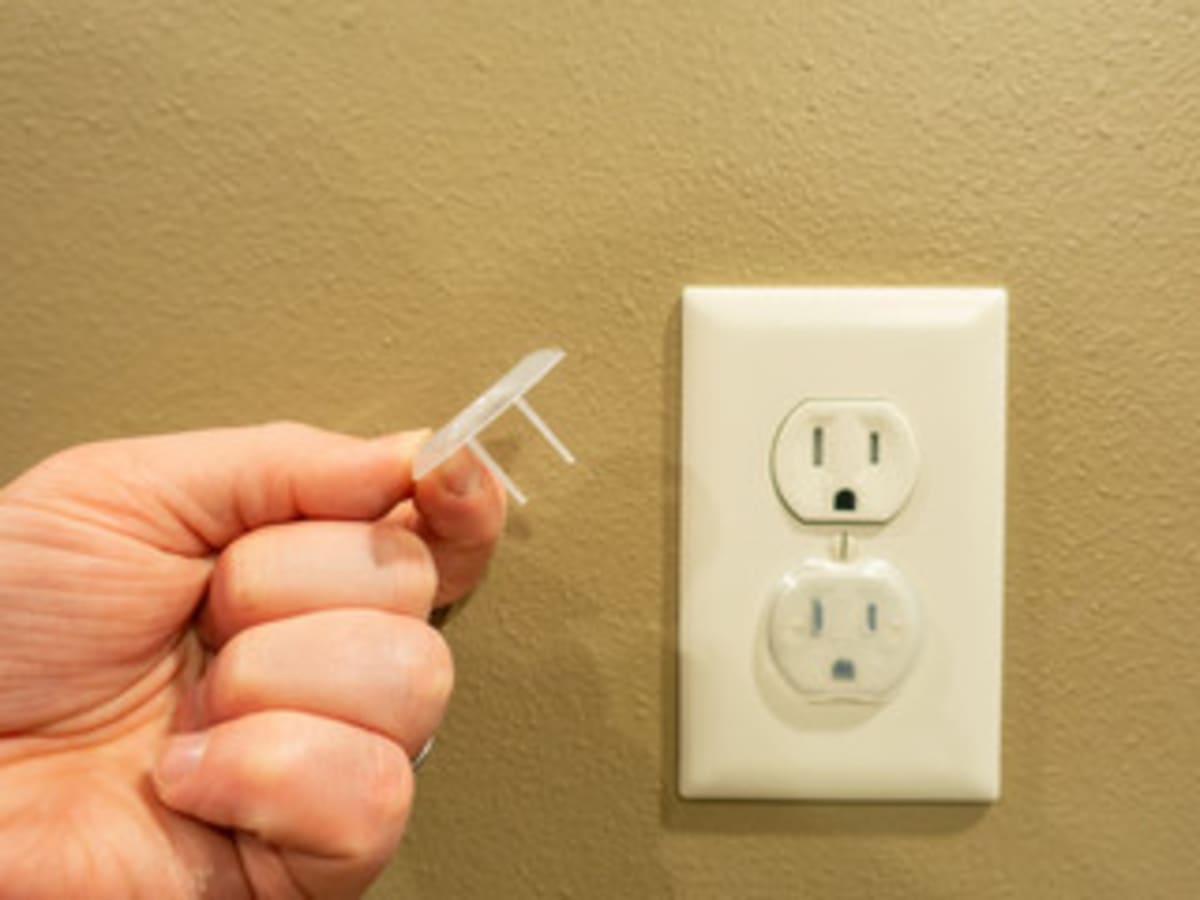
A standard two-prong receptacle has two openings for the electrical connections that supply power to a device. It does not have the additional opening intended for an equipment grounding connection. That missing grounding connection is the important distinction.
Equipment grounding provides a path for fault current under certain abnormal conditions. When a fault occurs, the grounding system works with other protective components to help reduce the risk of electric shock.
A properly installed three-prong receptacle is designed to provide a connection for equipment that uses a grounding pin. However, the presence of three openings does not automatically prove that an outlet is grounded correctly.
In older homes, someone may have replaced a two-prong outlet with a three-prong model without installing an appropriate grounding connection. The receptacle can look modern while still lacking the protection its appearance suggests. This is why a professional evaluation matters more than simply counting the number of openings in a wall outlet.
Why Is Proper Grounding Important?
Many modern appliances and electrical devices are designed to use equipment grounding as part of their safety features. Grounding helps provide a path for fault current if an energized component comes into contact with an exposed conductive surface. This can help protective devices operate and reduce the chance that a person becomes the path for electrical current.
Some devices are designed with two-prong plugs and do not require an equipment grounding connection. Other equipment specifically requires one. That distinction is important when deciding whether an older receptacle can continue to serve its intended purpose.
For example, a small lamp designed with a two-prong plug is not necessarily a problem simply because it has two prongs. However, using a three-prong appliance with an improvised adapter does not establish that the appliance has the grounding protection it needs. If your home has a mixture of older outlets and newer equipment, it is worth having an electrician assess the situation.
Can You Replace a Two-Prong Outlet With a Three-Prong Outlet?
Sometimes, but replacing the receptacle alone is not enough. A three-prong outlet needs an appropriate grounding connection. If the original electrical box does not contain an equipment grounding conductor, simply installing a three-prong receptacle can create a misleading appearance. There are several possible approaches an electrician may consider.
Option 1: Install an Appropriate Equipment Grounding Conductor
If the existing installation allows it, an electrician may be able to provide an appropriate equipment grounding connection. This can be a suitable solution when the circuit and wiring arrangement support the work. The electrician must determine how the grounding conductor can be installed and connected properly. The best approach depends on the existing electrical system, the construction of the home, and the applicable requirements.
Option 2: Use GFCI Protection Where Permitted
A ground-fault circuit interrupter, or GFCI, is designed to reduce the risk of severe electrical shock. Unlike an equipment grounding conductor, a GFCI monitors the electrical current flowing through a circuit. If it detects an imbalance, it interrupts power.
The Consumer Product Safety Commission explains that GFCI devices can operate on two-slot receptacles and can be used in certain existing ungrounded installations. However, a GFCI does not create an equipment grounding conductor. Appropriate identification is also required when a replacement receptacle does not have an equipment ground.
This is an important distinction. GFCI protection can provide an additional safety measure, but it does not make an ungrounded circuit equivalent to a properly grounded circuit.
Option 3: Replace or Rewire the Existing Circuit
In some situations, the most appropriate solution may involve replacing older wiring or installing a new circuit with the necessary grounding provisions. This is a more extensive project, and it is not automatically required just because a home has two-prong outlets.
An electrician can explain whether targeted receptacle improvements are sufficient or whether the condition and configuration of the existing wiring justify more substantial work.
Why You Should Avoid Improvised Outlet Adapters
A common temptation is to use a small adapter that allows a three-prong plug to fit into a two-prong receptacle. These adapters can make it physically possible to connect equipment, but they do not automatically provide a proper grounding connection.
Some adapters include a grounding tab or wire intended to connect to an appropriate grounded component. That connection must actually be present and suitable. An adapter cannot create a grounding path where none exists. Never remove the grounding pin from an appliance plug to make it fit an older receptacle. Doing so defeats a safety feature built into the equipment. It may also create a shock hazard if the appliance develops an electrical fault. If a device requires a grounded receptacle, have an electrician determine the appropriate way to provide the connection.
What Should an Electrician Check Before Replacing Two-Prong Outlets?
The right solution depends on more than the receptacle itself. During an evaluation, an electrician may consider:
Whether the existing circuit includes an equipment grounding conductor.
The condition of the wiring and insulation.
Whether the electrical box is suitable for the proposed receptacle.
Whether other outlets are connected to the same circuit.
Whether GFCI protection is appropriate.
Whether the equipment being used requires an equipment grounding conductor.
Whether additional electrical work or protective devices are necessary.
The electrician should also consider any other electrical changes made during previous renovations. A property that has undergone several updates may contain different wiring methods and configurations throughout the house. Understanding those differences helps avoid installing a new receptacle that does not address the underlying issue.
New Jersey Electrical Code Considerations
Electrical work in New Jersey must follow the state's currently adopted electrical subcode. As of November 2026, the New Jersey Department of Community Affairs lists the 2023 National Electrical Code as the state's electrical subcode, adopted August 17, 2026.
The requirements that apply to a particular outlet replacement depend on the location, existing wiring, scope of work, and applicable code provisions. Homeowners should not assume that a solution used in one room or property is automatically appropriate elsewhere. A licensed electrician can evaluate the existing installation and determine which options are suitable.
When Should You Have Older Outlets Evaluated?
Consider scheduling an electrical evaluation if:
Your home still has numerous two-prong outlets.
You have recently purchased an older property.
You are planning renovations.
You need to connect modern appliances that require grounding.
Previous owners replaced outlets without documenting the work.
You are unsure whether existing three-prong outlets are properly grounded.
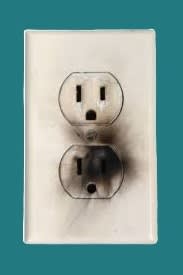
You should also seek prompt attention if an outlet is cracked, discolored, unusually warm, loose, or producing unusual sounds. Do not attempt to investigate wiring by removing receptacles or opening electrical boxes yourself.
Professional Outlet Upgrades for New Jersey Homes
Two-prong outlets are a common feature of older electrical systems, but their presence does not automatically mean that a home requires complete rewiring. The important step is determining what is behind the receptacle and what level of protection the circuit provides.
Thomas Edison Electric is a family-owned electrical company serving homeowners throughout South and Central New Jersey, including Burlington, Camden, and Mercer counties.
If you have questions about two-prong outlets, grounding, or electrical upgrades, contact Thomas Edison Electric to discuss an evaluation and learn which solutions may be appropriate for your home.
Talk to an electrician
800.380.6800Available 24/7, including weekends.
Schedule Now- Same-day appointments
- Upfront, honest pricing
- Licensed and insured
Found this helpful?