

Modern homes depend on more electrical equipment than ever. From refrigerators and washing machines to computers, home entertainment systems, and specialized appliances, many households use multiple electrical devices throughout the day.
However, not every appliance should share an electrical circuit with other equipment. Some devices require a dedicated electrical circuit to operate safely and reliably.
If you're installing a new appliance, renovating your home, or experiencing problems with certain electrical equipment, you may be wondering whether a dedicated circuit is necessary.
Understanding how dedicated circuits work can help you plan electrical improvements, avoid unnecessary disruptions, and make sure your home's electrical system is appropriate for the equipment you use.
Here's what New Jersey homeowners should know.
What Is a Dedicated Electrical Circuit?
A dedicated electrical circuit is a circuit intended to supply one specific appliance or piece of equipment rather than multiple unrelated electrical loads.
Like other household circuits, a dedicated circuit originates at the electrical panel and supplies electricity through appropriately sized wiring and protective devices.
The primary difference is what the circuit serves.
A general-purpose circuit might supply several receptacles or lighting fixtures throughout a room. A dedicated circuit is intended for a particular appliance or application.
This arrangement helps ensure that the equipment has an appropriate electrical supply without sharing the circuit with other devices that could create excessive demand.
Dedicated circuits are especially important for appliances that draw substantial amounts of electricity or have specific manufacturer and electrical-code requirements.
Why Do Some Appliances Need Dedicated Circuits?
Electrical circuits have limits. Every circuit is designed to carry a particular amount of current based on its wiring, breaker, installation conditions, and other factors.
When multiple devices operate on the same circuit, their combined electrical demand matters.
A dedicated circuit can help prevent an appliance from competing with other equipment for available circuit capacity.
There are several reasons an installation may require one.
1. Preventing Circuit Overloads
An overloaded circuit occurs when the electrical demand exceeds what the circuit is designed to handle.
Circuit breakers are designed to interrupt power when certain overload or fault conditions occur. However, repeatedly experiencing interruptions can be inconvenient and may indicate that the circuit arrangement needs attention.
Large appliances can consume a significant portion of a circuit's available capacity.
Providing an appropriate dedicated circuit can help isolate that appliance from other electrical loads.
2. Supporting Equipment With High Electrical Demand
Some appliances require substantial electrical current, particularly when heating elements, motors, or compressors are operating.
Examples include electric ranges, clothes dryers, electric water heaters, and certain heating and cooling systems.
The electrical requirements vary by appliance. Some equipment requires a dedicated branch circuit, while other installations may have different permitted arrangements.
An electrician can review the manufacturer's specifications and determine the appropriate installation.
3. Following Manufacturer Requirements
Appliance manufacturers provide electrical specifications for their equipment.
These instructions may identify the required voltage, amperage, circuit protection, and whether the appliance must have an individual circuit.
Following those requirements is important for safe operation and proper installation.
An appliance that works when connected to an existing outlet is not necessarily connected to an appropriately designed circuit.
Which Household Appliances Commonly Need Dedicated Circuits?
The following appliances frequently require dedicated circuits, depending on their electrical specifications and applicable code requirements.
Refrigerators and Freezers
Refrigerators and freezers operate throughout the day and use compressors that cycle on and off.
A dedicated circuit can help prevent other equipment from affecting their electrical supply.
The appropriate arrangement depends on the appliance, the circuit design, and applicable requirements.
Electric Ranges and Cooktops
Electric cooking appliances typically require substantial electrical capacity.
Their voltage and amperage requirements depend on the specific model. Some require a 240-volt circuit, and the wiring and overcurrent protection must be appropriate for the equipment.
Before installing a new range or cooktop, have an electrician review the electrical specifications and existing circuit.
Clothes Dryers
Electric clothes dryers generally have substantial electrical requirements and commonly use dedicated 240-volt circuits.
Gas dryers have different electrical needs, so the type of appliance matters when planning the installation.
Dishwashers and Garbage Disposals
Kitchen appliances such as dishwashers and garbage disposals have specific electrical requirements.
Whether they need separate circuits depends on the equipment, installation, and applicable electrical requirements.
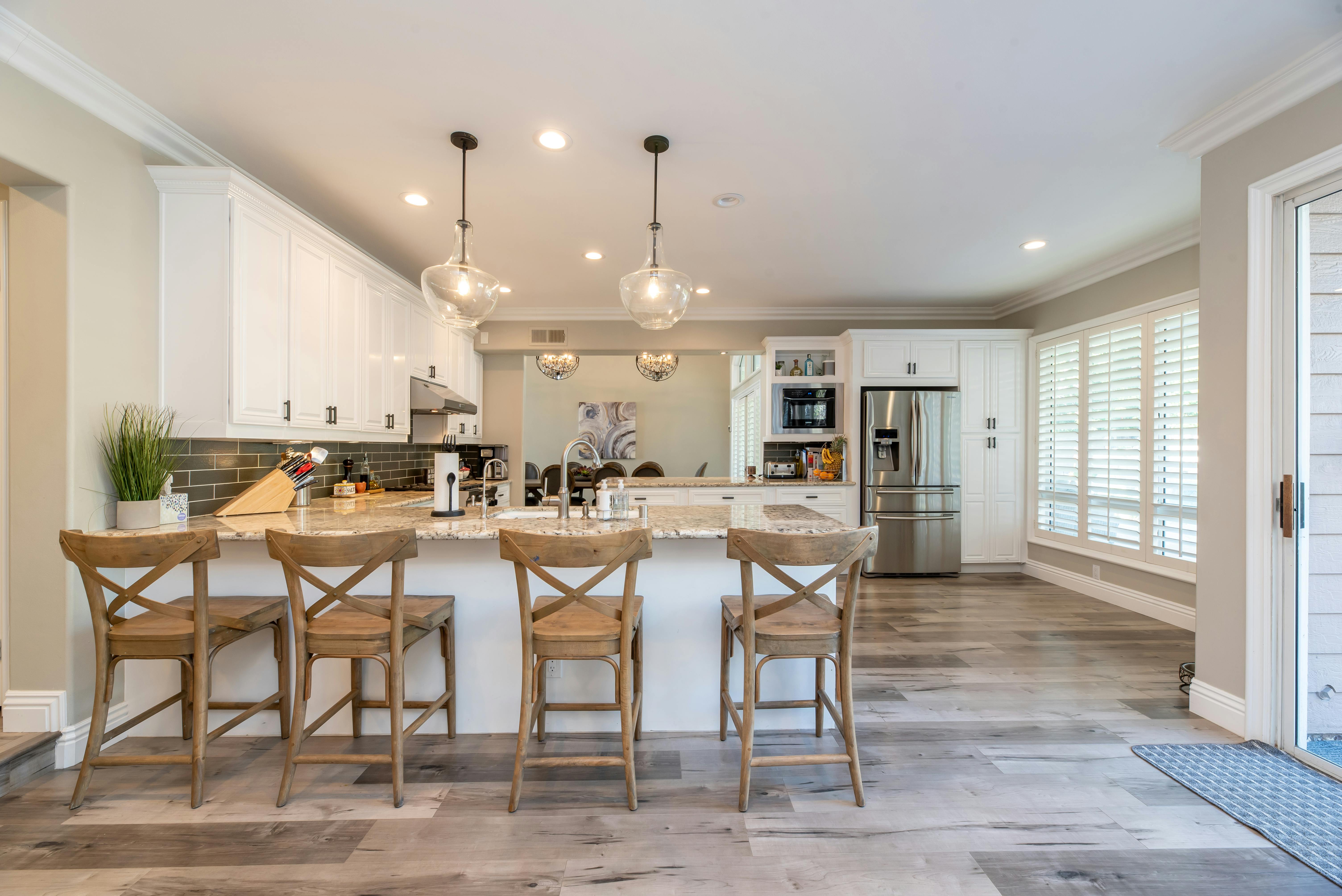
If you're remodeling your kitchen, this is worth addressing before cabinets and appliances are installed.
Heating and Cooling Equipment
Central air conditioning systems, heat pumps, and other HVAC equipment have electrical requirements based on their size and design.
Many require individual circuits to support their operation.
Always have the equipment specifications reviewed before installing or replacing HVAC equipment.
Microwaves and Built-In Appliances
Built-in microwaves, wall ovens, and other kitchen equipment may have specific circuit requirements.
Even appliances that appear relatively small can have electrical demands that make a dedicated circuit appropriate or necessary.
Home Office and Entertainment Equipment
Not every computer, television, or entertainment system needs a dedicated circuit.
However, specialized equipment, server setups, extensive home offices, and other high-demand arrangements may benefit from a more carefully planned electrical distribution system.
An electrician can evaluate the actual load rather than assuming that every electronic device needs its own circuit.
What Are the Signs That You May Need Another Circuit?
Your home's electrical system may benefit from additional circuits if you experience recurring problems or are planning to introduce new equipment.
Potential signs include:
Breakers that trip when certain appliances operate.
Multiple high-demand appliances sharing one circuit.
Frequent interruptions when equipment starts.
A new appliance that requires a circuit not currently available.
Extension cords or power strips being used to accommodate equipment.
Renovations that introduce additional electrical loads.
These symptoms do not automatically mean a dedicated circuit is the answer.
For example, a breaker that trips repeatedly could indicate damaged wiring, a faulty appliance, or another electrical problem. Simply adding a circuit without identifying the cause may not resolve the underlying issue.
A professional evaluation can determine whether the problem involves circuit capacity, wiring condition, the appliance itself, or another component.
Does a Dedicated Circuit Require an Electrical Panel Upgrade?
Not always. A dedicated circuit needs an appropriate connection at the electrical panel, but the presence of a new circuit does not automatically mean the entire panel must be replaced.
An electrician will consider several factors:
Available space for additional circuit protection.
The panel's condition and configuration.
The home's existing electrical service capacity.
The calculated electrical demand.
The wiring route and installation requirements.
The specifications of the equipment being connected.
In some cases, the existing panel may be suitable for additional circuits.
In others, the project may require panel modifications or a larger electrical upgrade.
The important distinction is that available breaker spaces and available electrical capacity are not necessarily the same thing. An electrician must evaluate both.
Can You Add a Dedicated Circuit to an Older Home?
Yes, dedicated circuits can often be added to older homes, but the process depends on the existing electrical system.
Older properties may have limited access to wiring routes, outdated electrical components, or circuits that were designed for a different level of household demand.
A new circuit may require wiring through finished walls, ceilings, basements, or attic spaces.
The electrician will also need to determine whether the existing panel and electrical service can accommodate the proposed work.
If you're renovating an older New Jersey home, consider discussing additional circuit needs before construction begins. Coordinating electrical work with other renovations can make the project easier to plan.
Why Professional Circuit Installation Matters
Installing a dedicated circuit involves more than running a new wire and adding a breaker.
The circuit must be designed for its intended load, with appropriate conductor sizing, overcurrent protection, grounding, connections, and installation methods.
Incorrect wiring or improperly selected protective devices can create serious electrical hazards.
Electrical work may also require permits and inspections under applicable New Jersey and local requirements.
A licensed electrical contractor can evaluate the existing system, determine the appropriate circuit configuration, and complete the installation according to applicable requirements.
Homeowners should not attempt to install breakers, modify panels, or connect new circuits themselves.
Plan Ahead When Adding New Appliances
If you're purchasing a major appliance, check its electrical specifications before delivery.
This is especially important when replacing gas equipment with electric appliances or adding equipment that wasn't part of the home's original design.
For example, switching to an electric range may require a different electrical arrangement from the one previously used by a gas range.
Similarly, adding a second refrigerator, a basement freezer, or specialized workshop equipment may affect how existing circuits should be configured.
Discussing these needs before purchasing equipment can help prevent installation delays and unexpected electrical work.
Dedicated Electrical Circuit Installation in New Jersey
Your electrical system should be designed around the equipment and activities your household actually needs to support.
A dedicated circuit can provide an appropriate power supply for specific appliances, but determining whether one is necessary requires an understanding of the existing wiring and electrical demand.
Thomas Edison Electric provides residential electrical services throughout Burlington, Camden, and Mercer Counties in New Jersey.
Whether you're installing a major appliance, planning a renovation, or experiencing recurring electrical interruptions, our team can help evaluate your home's electrical needs.
Contact Thomas Edison Electric to discuss dedicated circuit installation and other residential electrical services.
Talk to an electrician
800.380.6800Available 24/7, including weekends.
Schedule Now- Same-day appointments
- Upfront, honest pricing
- Licensed and insured
Found this helpful?