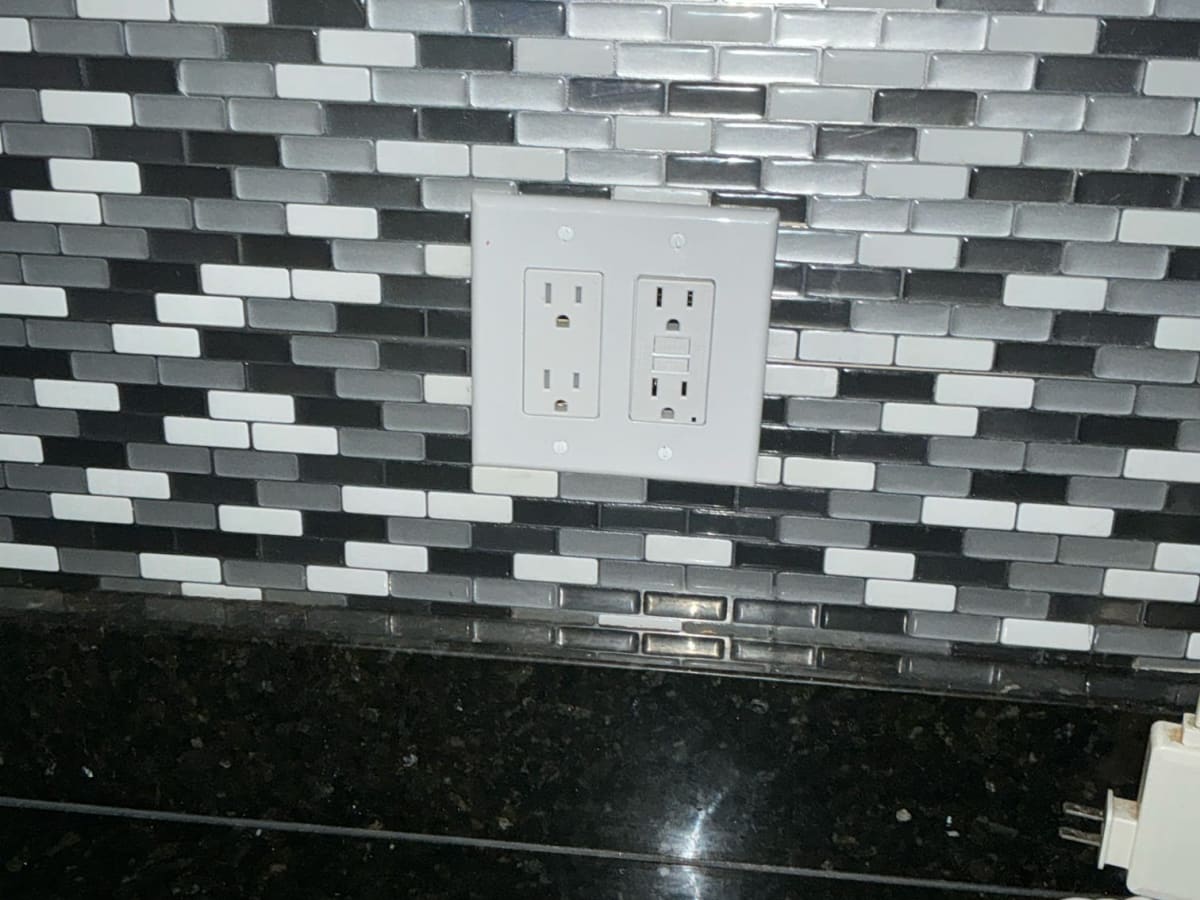
An electrical outlet that feels hot to the touch is something New Jersey homeowners should take seriously. Although an outlet may become slightly warm when supplying power to a device, noticeable heat, a burning smell, discoloration, or unusual sounds can indicate an electrical problem that needs attention.
Outlets are designed to deliver electricity safely when properly installed and used. If an outlet or its cover becomes unusually hot, the cause could involve an overloaded circuit, a loose electrical connection, damaged wiring, or a problem with the device plugged into it.
Understanding the warning signs can help you recognize when to stop using an outlet and contact a qualified electrician.
Why Is My Electrical Outlet Hot? Common Causes
Several issues can cause an electrical outlet to become warmer than expected. Identifying the underlying problem requires more than simply replacing the outlet cover or moving a plug to another receptacle.
1. An Overloaded Circuit
Electrical circuits are designed to handle a particular amount of electrical demand. When several power-hungry devices operate on the same circuit, the demand may exceed what the circuit can safely support.
Space heaters, portable air conditioners, kitchen appliances, and other high-wattage equipment can place substantial demands on household circuits.
An overloaded circuit may cause a breaker to trip. However, a breaker that has not tripped does not automatically mean the outlet and wiring are safe.
If an outlet becomes hot while appliances are running, stop using the affected equipment and arrange for an electrician to assess the circuit.
2. Loose Electrical Connections
Electrical connections must remain secure to provide a reliable path for current. A loose connection can increase electrical resistance, producing heat at the connection point.
This problem can develop inside an outlet, at a wire termination, or elsewhere along the circuit. You may notice a warm outlet cover, intermittent power, buzzing, crackling, or discoloration.
Do not remove the outlet cover to investigate. Electrical components can remain dangerous even when a device is switched off. A qualified electrician can inspect the wiring and determine whether the outlet or other components need repair.
3. Worn or Damaged Outlets
Electrical outlets experience wear over time. Repeatedly inserting and removing plugs can weaken the internal contacts that hold them securely.
If a plug feels loose, falls out easily, or does not stay firmly seated, the outlet may need replacement. Damaged contacts can contribute to poor electrical connections and overheating.
Age alone does not establish that an outlet is unsafe, but visible damage, looseness, and heat are reasons to have it evaluated.
4. A Problem With a Plug or Appliance
Sometimes the outlet is not the source of the problem. A damaged plug, defective appliance, or frayed power cord may generate heat or create an unsafe electrical connection.
If the outlet becomes unusually warm while one particular device is operating, discontinue use of that device and have the situation assessed. Do not repeatedly test the appliance in other outlets if you suspect it is damaged.
5. Wiring Problems Behind the Wall
Electrical problems are not always visible from the outside. Damaged insulation, improper connections, or deteriorating wiring can create hazardous conditions behind an outlet or elsewhere in a home's electrical system.
This is particularly important when troubleshooting an older home. Replacing a single outlet may not address the underlying issue if the problem originates in the circuit wiring.
When Is a Hot Outlet an Emergency?
A noticeably hot outlet deserves attention, particularly if the heat is new or getting worse. Certain warning signs call for immediate action.
Watch for:
A burning-plastic or electrical odor.
Brown or black discoloration around the outlet.
Smoke, sparks, buzzing, or crackling.
A melted or deformed outlet cover.
Plugs that feel unusually hot.
Repeated breaker trips associated with the outlet.
Heat that continues even after the connected device has been switched off.
If you see smoke or flames, hear active arcing, or suspect an electrical fire, get everyone away from the danger and call 911. Do not touch the outlet or attempt to unplug a device from a smoking or sparking receptacle.
If it is safe to do so, stop using the affected outlet and keep people away from it. If you can safely identify and switch off the relevant circuit breaker without approaching the hazard, do so. Otherwise, leave the area and get professional assistance.
Can an Outlet Be Warm Without Being Dangerous?
Some devices draw enough power that a properly functioning plug or receptacle may feel mildly warm during operation. That does not mean every warm outlet is defective.
The important distinction is between slight warmth during normal use and unusual or increasing heat, especially when accompanied by other warning signs. There is no universal touch test that can establish whether an outlet is safe.
If you are unsure whether the temperature is normal, stop using the outlet until it can be evaluated.
Should You Replace a Hot Outlet Yourself?
Replacing an outlet may appear straightforward, but the visible receptacle is only one part of the electrical system. The actual cause of overheating may involve wiring, circuit loading, connection quality, or a defective appliance.
Avoid removing the cover, tightening wires, or attempting a replacement while the cause remains unknown. Switching off a wall switch does not necessarily de-energize the outlet, and incorrectly performed electrical work can introduce additional hazards.
A licensed electrician can inspect the receptacle, wiring, circuit, and connected equipment to determine what needs to be corrected.
How New Jersey Homeowners Can Reduce Outlet Problems
A few everyday precautions can help reduce unnecessary electrical stress:
Avoid using damaged plugs, cords, or outlets.
Follow manufacturers' instructions for high-wattage appliances.
Avoid overloading power strips and extension cords.
Do not use extension cords as a permanent substitute for properly located outlets.
Have loose, discolored, or damaged receptacles inspected.
Schedule an electrical evaluation when several outlets develop problems or when recurring issues suggest a broader wiring concern.
If your household regularly relies on extension cords or multiple power strips in one room, an electrician can help determine whether additional receptacles or circuit changes would be appropriate.
Get Help With a Hot Electrical Outlet
A hot outlet should never be dismissed simply because the lights are still working or the breaker has not tripped. Prompt evaluation can help identify the cause and determine whether the problem is limited to one receptacle or affects a larger part of your electrical system.
Thomas Edison Electric provides residential electrical services for homeowners in New Jersey, including electrical troubleshooting and repairs. If an outlet feels unusually hot, shows signs of damage, or behaves inconsistently, contact Thomas Edison Electric to arrange an assessment.
Do not wait for a minor electrical warning sign to become a bigger problem. Get professional help to determine what is happening and restore safe, reliable electrical service to your home.
Ready when you are
Book online in a couple of minutes, or call and speak to someone now. We answer 24/7.
Found this helpful?
Pass it along to a neighbor, tenant, or friend who could use it.