

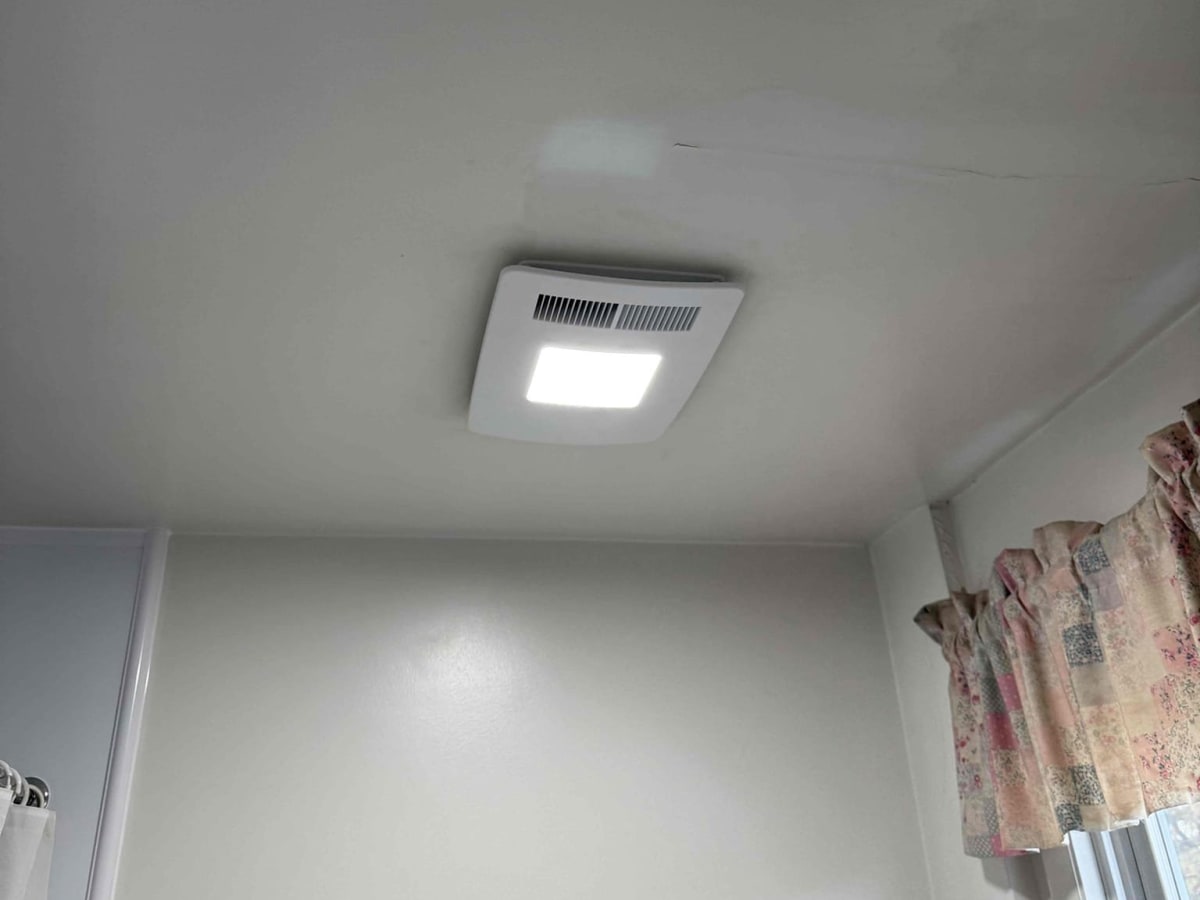
A bathroom exhaust fan does more than clear the air after a hot shower. Proper ventilation helps remove excess moisture, which can otherwise contribute to condensation, peeling paint, and mold growth.
When a bathroom fan stops working, makes unusual noises, or is being added during a renovation, it is worth considering both the ventilation equipment and its electrical connections.
Bathroom exhaust fan wiring must be suitable for the fan, installed correctly, and protected appropriately for its location. Because bathrooms combine electricity with moisture, installation and troubleshooting deserve particular care.
Here is what New Jersey homeowners should know about bathroom fan wiring, common problems, and when to contact an electrician.
How Is a Bathroom Exhaust Fan Powered?
Many bathroom exhaust fans connect to a household electrical circuit and operate through a wall switch. Depending on the model, the fan may have separate controls for its light, heater, timer, or humidity sensor.
Some newer fans include several features in one unit. These may require different wiring arrangements depending on the manufacturer's instructions.
Before replacing an existing fan or installing a new one, it is important to identify the equipment's electrical requirements and understand how the existing circuit is configured. A fan with additional features may not connect the same way as a basic fan-only model.
An electrician can evaluate the existing wiring and determine whether it is suitable for the proposed equipment.
Common Bathroom Exhaust Fan Electrical Problems
1. The Fan Will Not Turn On
A fan that does not run may have a failed motor, a faulty switch, a tripped circuit breaker, a loose connection, or another electrical problem.
Start with simple external checks, such as confirming that the switch is in the correct position and checking whether the circuit breaker has tripped. Do not repeatedly reset a breaker that trips again.
If the fan still does not work, avoid removing the housing or reaching into the electrical compartment. A qualified electrician can safely investigate the cause.
2. The Fan Runs Intermittently
A bathroom fan that starts and stops unexpectedly may have a failing motor, a control problem, or an electrical connection issue.
The circumstances can provide useful clues. For example, does the fan stop after running for several minutes? Does the problem occur when a light or heater is switched on? Does the fan respond inconsistently to its control?
Share these observations with your electrician. Intermittent operation should not automatically be attributed to an old motor, especially if there are signs of overheating or other electrical irregularities.
3. The Fan Makes Buzzing or Crackling Sounds
A fan may become noisy because of worn mechanical components, loose mounting hardware, or an obstruction. Electrical buzzing or crackling, however, can indicate a more serious issue.
If the fan produces unusual electrical sounds, smells burnt, or shows signs of overheating, stop using it and arrange for professional assessment. If there is smoke or active sparking, stay away from the equipment and call emergency services when appropriate.
4. The Fan Works, but the Bathroom Remains Humid
Not every ventilation problem is electrical. A fan may be undersized for the room, obstructed, poorly maintained, or connected to ductwork that does not exhaust air effectively.
A working motor does not guarantee adequate ventilation. The fan must also be appropriate for the space and installed so that air is discharged as intended.
If the bathroom remains damp long after showers, consider both ventilation performance and the condition of the fan's electrical components.
Can You Install a Bathroom Exhaust Fan Yourself?
Replacing a fan may look like a simple home improvement, but the project can involve electrical wiring, ceiling access, ductwork, and moisture-related safety considerations.
An installation may also require new wiring or a new circuit, depending on the equipment and the existing setup. Work that changes the electrical installation may be subject to permit and inspection requirements in New Jersey.
A qualified electrician can assess the electrical portion of the project and coordinate with other professionals if ductwork or structural changes are also needed.
Avoid relying on the old fan's wiring arrangement without confirming that it is appropriate for the replacement unit.
Does a Bathroom Exhaust Fan Need Its Own Circuit?
There is no single answer that applies to every bathroom fan installation.
Circuit requirements depend on factors such as the fan's electrical load, whether it includes a heater or other equipment, the existing circuit, and applicable electrical code provisions.
A basic fan and a combination fan-light-heater unit can have different requirements. The manufacturer's instructions and the applicable code must be considered together.
An electrician can determine whether the existing circuit is suitable or whether a circuit change is needed. It is better to establish that before purchasing equipment or beginning a renovation.
Why Bathroom Location and Moisture Matter
Bathrooms create an environment where moisture and electrical equipment exist in close proximity. Equipment selection and installation must account for the location and the conditions in which the equipment will operate.
Homeowners should not assume that any fan, switch, or electrical component is suitable for every bathroom location. Products must be selected and installed according to their ratings, instructions, and applicable requirements.
If you are remodeling a bathroom, discuss the proposed fan location, controls, lighting, and any additional electrical features with your contractor before the ceiling is finished.
What to Consider When Replacing a Bathroom Fan
Before choosing a replacement, consider the following:
Room size: The fan needs adequate capacity for the bathroom.
Noise level: Product specifications can help you compare operating noise.
Controls: Decide whether you need a simple switch, timer, humidity sensor, or integrated lighting.
Electrical requirements: Confirm the unit's voltage, load, and wiring instructions.
Ducting: Ensure that the ventilation system can exhaust air appropriately.
Access: Consider whether the fan can be serviced without unnecessary disruption.
Selecting the right equipment at the outset can make installation and future maintenance easier.
Bathroom Renovations in New Jersey
Bathroom remodeling is an opportunity to address electrical concerns before new ceilings, lighting, and finishes are installed. Homeowners in Cherry Hill, Moorestown, Mount Laurel, Princeton, and other communities within Thomas Edison Electric's service area can plan the electrical work alongside the rest of the renovation.
Discuss the proposed fan, lighting, receptacles, and controls early in the project. This allows the electrician to evaluate the existing circuit and identify any required changes before the work progresses.
Permit requirements vary according to the work involved, so verify the requirements with the local construction office and your contractor.
Get Professional Help With Bathroom Fan Wiring
A bathroom exhaust fan should operate reliably and provide the ventilation your home needs. When the fan stops working, behaves unpredictably, or needs to be installed as part of a renovation, the electrical system deserves attention alongside the fan itself.
Thomas Edison Electric provides residential electrical services for New Jersey homeowners, including electrical troubleshooting, repairs, and installation-related work. Contact Thomas Edison Electric to discuss your bathroom exhaust fan project and determine the appropriate next steps.
With the right equipment and properly planned electrical work, you can make your bathroom more comfortable while addressing safety and reliability concerns.
Ready when you are
Book online in a couple of minutes, or call and speak to someone now. We answer 24/7.
Found this helpful?
Pass it along to a neighbor, tenant, or friend who could use it.