

A bathroom exhaust fan does more than remove unpleasant odors. It helps control moisture, reduce condensation, and improve ventilation in a room that regularly experiences high humidity.
However, a fan can only do its job properly if it is correctly selected, installed, and connected to the home's electrical system.
Whether you are replacing an existing fan, installing one in a bathroom that does not have ventilation, or remodeling your space, understanding the electrical considerations can help you plan the work.
For New Jersey homeowners, bathroom exhaust fan installation is also an opportunity to address outdated wiring, improve lighting, and make the bathroom more functional.
Why Bathroom Exhaust Fans Matter
Bathrooms produce moisture through showers, baths, and sinks. Without adequate ventilation, humidity can linger and contribute to condensation on walls, ceilings, mirrors, and other surfaces.
Over time, persistent moisture can damage finishes and create conditions that support mold growth.
An exhaust fan helps move humid air out of the bathroom, provided it is properly sized and vented to an appropriate exterior termination.
Reduce Moisture and Condensation
A properly functioning fan helps remove humid air during and after bathing.
This can reduce condensation on surfaces and help protect paint, drywall, cabinetry, and other materials.
Improve Indoor Air Quality
Bathroom exhaust fans also help remove odors and airborne contaminants associated with everyday bathroom use.
For best results, the fan should be used during bathing and left running afterward for an appropriate period, following the manufacturer's guidance.
When Should You Replace or Install a Bathroom Exhaust Fan?
There are several situations in which homeowners may want to consider a new fan.
Your Bathroom Does Not Have an Exhaust Fan
Some older homes were built without mechanical bathroom ventilation.
If your bathroom relies only on a window or other passive ventilation, installing an exhaust fan may be worth considering.
The appropriate ventilation approach depends on the home's design and applicable building requirements.
Your Existing Fan Is Noisy
A fan that rattles, squeaks, or makes unusually loud noises may have worn components, loose mounting hardware, or another problem.
Noise can also be a reason homeowners avoid using the fan, which defeats its purpose.
A replacement may provide quieter operation, depending on the model selected.
The Fan Is Not Removing Moisture Effectively
If mirrors remain fogged for a long time, condensation frequently develops, or the bathroom stays humid after bathing, the fan may not be providing adequate ventilation.
Possible causes include an undersized fan, blocked ductwork, an installation problem, or a fan that is no longer operating properly.
An electrician can evaluate the electrical portion of the system, while the ductwork and ventilation arrangement may also need to be assessed.
Electrical Considerations for Bathroom Exhaust Fan Installation
Bathroom exhaust fans operate in a space where moisture and electricity are both present. Proper installation is essential.
Check the Fan's Electrical Requirements
Before installing a replacement fan, review the manufacturer's specifications.
Different models may have different voltage, wiring, switching, and connection requirements.
Some fans include integrated lights, heaters, timers, or humidity sensors. These additional features can affect the electrical installation.
Evaluate the Existing Wiring
If you are replacing an older fan, do not assume that the existing wiring is automatically suitable for the new model.
The wiring, connections, electrical box or housing, and circuit should be evaluated as appropriate for the installation.
An electrician can determine whether existing wiring can be reused or whether modifications are needed.
Consider the Circuit
The electrical requirements depend on the fan model, any integrated features, and applicable code provisions.
Some installations may be served by an existing circuit, while others may require different arrangements.
A qualified electrician can determine the appropriate circuit and wiring configuration.
Bathroom Exhaust Fan Switches and Controls
How the fan is controlled can affect both convenience and ventilation performance.
Standard Wall Switches
A basic wall switch allows the homeowner to turn the fan on and off manually.
This is a straightforward arrangement, but it depends on remembering to use the fan during and after bathing.
Timer Switches
A timer switch allows the fan to continue operating for a selected period after the user leaves the bathroom.
This can make it easier to remove lingering moisture without requiring the fan to run continuously.
Humidity-Sensing Controls
Some exhaust fans include humidity sensors that automatically activate ventilation when moisture levels rise.
These models can be convenient in bathrooms where humidity control is a priority.
Always confirm that the selected fan and control system are compatible with the existing electrical setup.
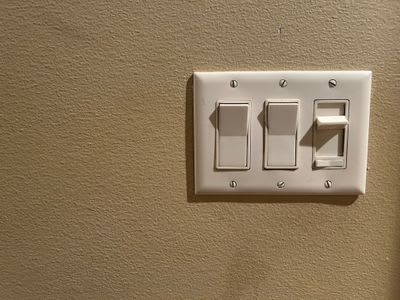
Separate Fan and Light Controls
Some homeowners prefer independent controls for the exhaust fan and bathroom lighting.
This allows the fan to operate without leaving the lights on, or the lights to remain on without running the fan.
If the fan includes integrated lighting, the available control options depend on the model and its wiring requirements.
Installing a Bathroom Fan With a Light or Heater
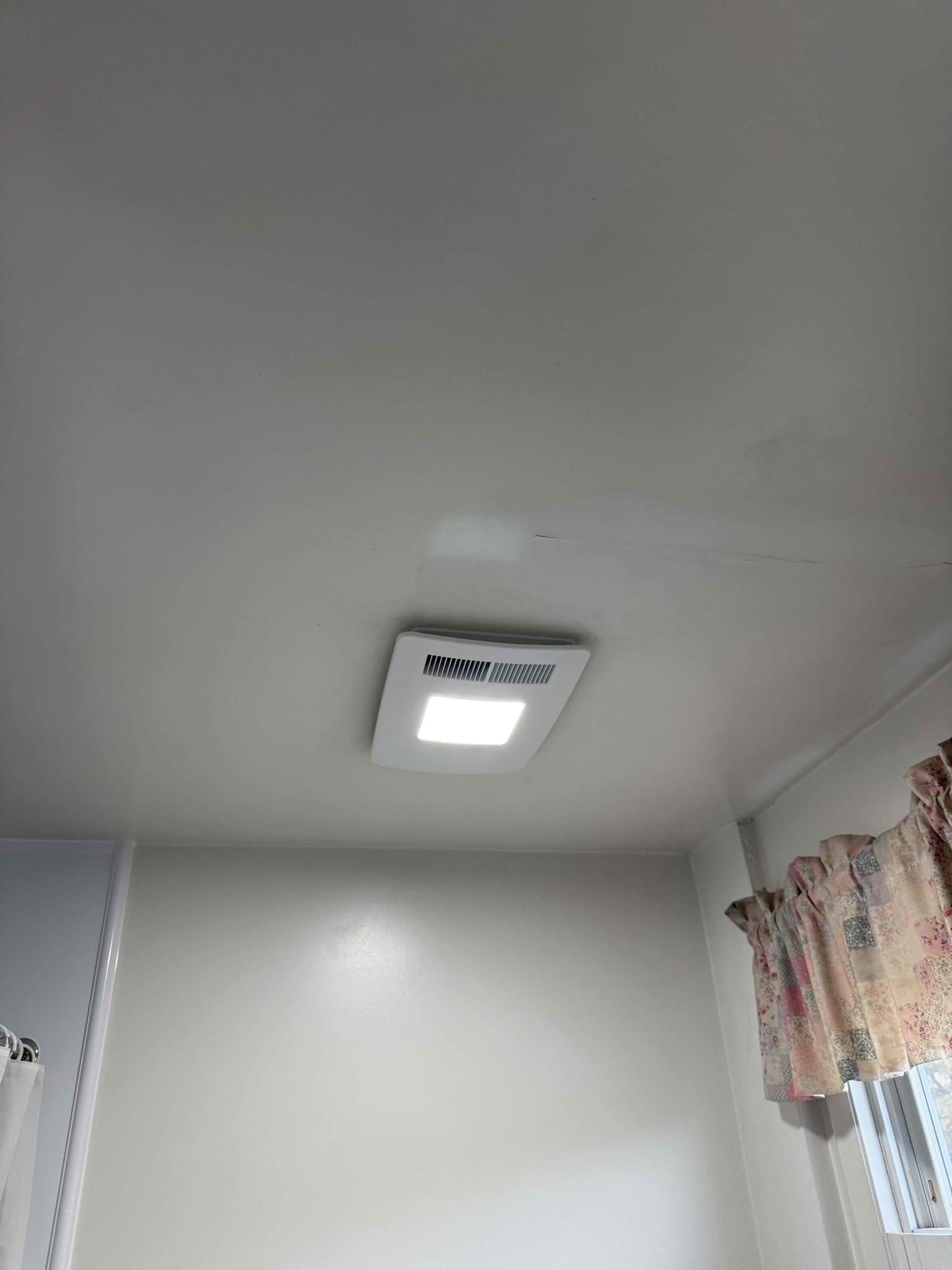
Some exhaust fans include additional features, such as integrated LED lighting or a heating element.
These models may require more extensive electrical planning than a basic fan.
Combination Fan and Light Units
A fan-and-light combination can simplify the appearance of the ceiling and provide two functions in one fixture.
However, the electrical connections and switching arrangement need to be compatible with the unit.
Fan, Light, and Heater Combinations
Units that include a heater may have additional electrical requirements because heating elements draw more power than basic fans.
The manufacturer's specifications should be reviewed before installation. An electrician can determine whether the existing circuit is appropriate or whether additional electrical work is needed.
Bathroom Electrical Safety and GFCI Protection
Bathrooms have specific electrical safety requirements because receptacles and electrical equipment may be located near sinks, showers, and tubs.
GFCI protection is required for applicable bathroom receptacles under current electrical code requirements.
However, the requirements for an exhaust fan are not necessarily identical to those for a nearby receptacle. The fan's location, design, instructions, and applicable code provisions all matter.
Do not assume that every bathroom electrical component must be connected in the same way.
An electrician can determine the appropriate protection and wiring arrangement for the installation.
Proper Ventilation Matters as Much as Electrical Installation
A correctly wired fan will not perform well if the ventilation duct is poorly designed or improperly terminated.
Vent to an Appropriate Exterior Location
Bathroom exhaust air should be directed to an appropriate outdoor termination, not simply discharged into an attic or concealed building cavity.
Releasing humid air into an attic can contribute to moisture problems and damage building materials.
Check Duct Size and Routing
The ductwork should be compatible with the fan manufacturer's specifications.
Long or restrictive duct runs, unnecessary bends, and unsuitable duct materials can reduce airflow.
The appropriate duct arrangement depends on the building's construction and the selected fan.
Choose the Right Fan Capacity
Bathroom exhaust fans are rated by their airflow capacity, generally measured in cubic feet per minute (CFM).
The appropriate capacity depends on bathroom size and other factors.
A fan that is too small may not remove enough moisture, while choosing a larger fan without considering ductwork and installation conditions may not deliver the expected performance.
Can You Replace a Bathroom Exhaust Fan Yourself?
Some homeowners may be comfortable with basic home maintenance, but electrical work in a bathroom requires particular care.
A fan replacement may involve more than swapping one fixture for another. Wiring, mounting, ventilation ductwork, ceiling access, and additional features can all affect the installation.
If you are unfamiliar with electrical work, do not attempt to modify wiring or make connections yourself.
A qualified electrician can evaluate the existing installation, determine whether the new fan is compatible, and complete any required electrical modifications.
Plan Bathroom Fan Installation During a Renovation
If you are remodeling a bathroom, consider the exhaust fan early in the planning process.
This gives you an opportunity to coordinate the fan's location, ductwork, wiring, switches, lighting, and ceiling design.
It is generally easier to address these details before drywall, tile, and other finishes are installed.
You may also want to consider whether the bathroom would benefit from additional lighting, updated receptacles, or other electrical improvements during the same project.
Work With a New Jersey Electrician on Bathroom Fan Wiring
A bathroom exhaust fan is an important part of a home's ventilation system, but its installation needs to account for electrical safety, wiring compatibility, switching, and proper ventilation.
Whether you are replacing an older fan or incorporating a new unit into a bathroom renovation, professional planning can help ensure the installation is appropriate for your space.
Thomas Edison Electric provides electrical services for homeowners throughout South and Central New Jersey, including Burlington, Camden, and Mercer Counties.
If you are planning a bathroom exhaust fan installation or have concerns about an existing fan, contact Thomas Edison Electric to discuss your electrical needs.
Talk to an electrician
800.380.6800Available 24/7, including weekends.
Schedule Now- Same-day appointments
- Upfront, honest pricing
- Licensed and insured
What our clients paid
$800 to $1,250
Exhaust fan installed
From 43 of our jobs in the last 18 months. The middle half of real invoices in PA and NJ, before discounts, updated monthly. You get a written price before any work starts.
Found this helpful?