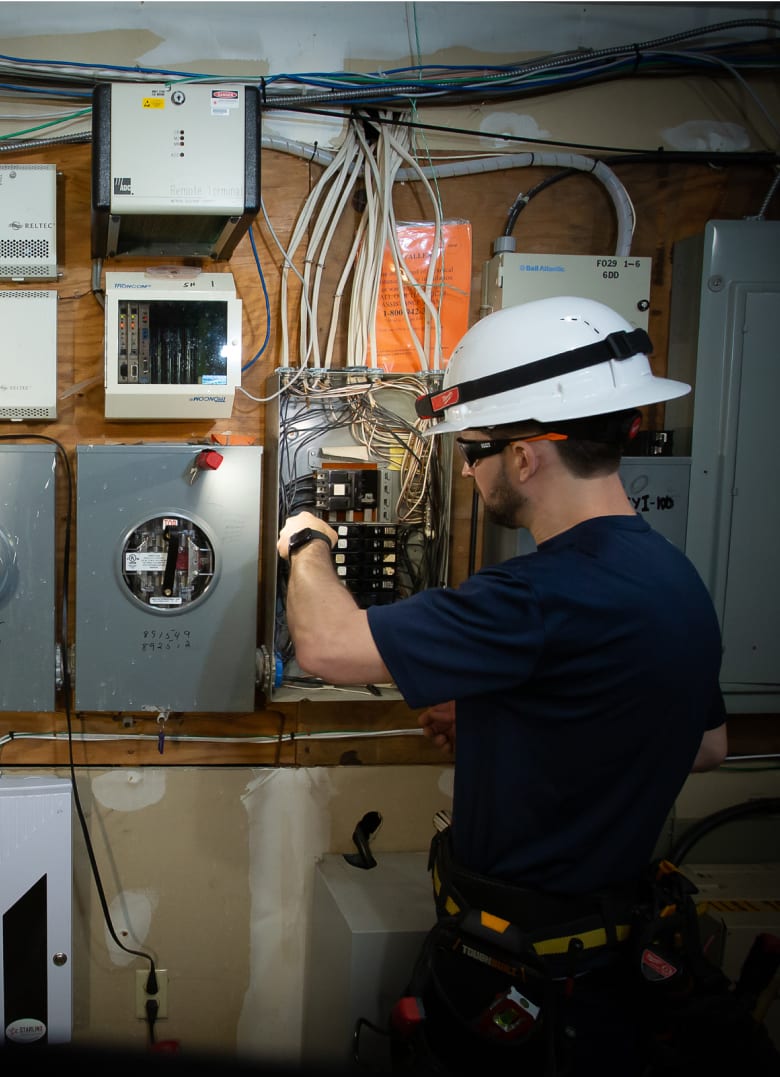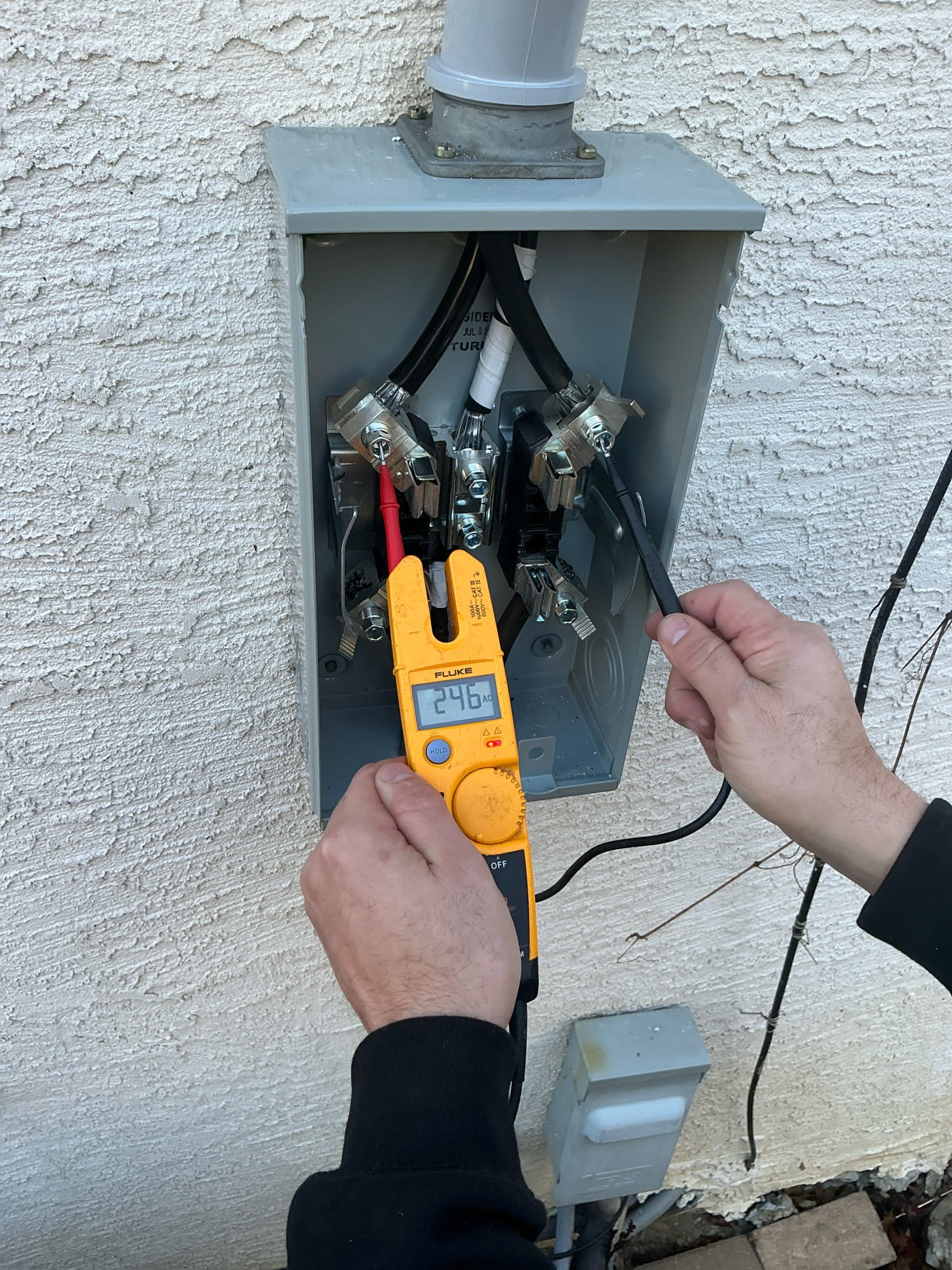


Planning electrical work in your home often involves more than choosing new fixtures, outlets, or equipment. Depending on the project, you may also need to consider permits, inspections, and applicable electrical code requirements.
For homeowners in New Jersey, understanding the permit process can help prevent delays and avoid problems after work is completed. Whether you are adding new wiring, changing an electrical installation, or planning a larger renovation, it is important to know who handles permits and why inspections matter. The process can vary depending on the project and municipality, so there is no single answer that applies to every electrical job.
What Is an Electrical Permit?
An electrical permit is an authorization issued through the appropriate construction code enforcement process for work that requires approval under applicable regulations. It allows the responsible code authority to review and oversee covered electrical work.
A permit is not simply paperwork. It is part of the process intended to help ensure that regulated work is performed according to the applicable safety requirements.
Depending on the project, the process may involve:
Describing the proposed electrical work.
Identifying the property and responsible contractor.
Submitting the required application documents.
Paying applicable permit fees.
Arranging required inspections.
Correcting any issues identified during inspection.
The exact steps depend on the municipality and scope of work.
Does All Electrical Work Require a Permit in New Jersey?
Not every electrical task follows the same permit requirements. The rules depend on the type of work, whether wiring or equipment is being installed or altered, the applicable construction regulations, and the local enforcement process.
For example, a project involving new circuits or substantial electrical changes may be treated differently from a minor maintenance task. Homeowners should avoid assuming that a project is exempt simply because it appears small.
The same is true in the opposite direction. It is not appropriate to assume that every replacement or minor repair requires the same application and inspection process. Before work begins, confirm the requirements with the construction office responsible for the property. This is especially important when planning projects involving new wiring, electrical equipment, service changes, additions, or renovations.
Which Electrical Code Does New Jersey Follow?
Electrical work in New Jersey is regulated through the state's Uniform Construction Code and adopted electrical subcode. The New Jersey Department of Community Affairs maintains a current list of adopted construction codes.
As of November 2026, the state lists the 2023 National Electrical Code, also known as NFPA 70, as its electrical subcode. The updated code was adopted on August 17, 2026. This is an important distinction because code editions change over time.
An electrical installation that was completed under an earlier code may have been acceptable when it was installed, even if the requirements for new work have since changed. That does not automatically mean every older installation must be brought up to the newest requirements.
The applicable rules depend on the project, the existing conditions, and the relevant provisions of the New Jersey construction code. A licensed electrician can help identify which requirements apply to the proposed work.
Who Handles Electrical Permits in New Jersey?
New Jersey uses a statewide construction code framework, but the local permitting process is tied to the municipality where the property is located. In many cases, the municipal construction office is the first place homeowners should contact.
Some municipalities use regional code enforcement offices or other arrangements for administering construction permits and inspections. This means that homeowners in different towns may encounter different application procedures, forms, office contacts, and inspection scheduling practices.
For example, electrical work in Cherry Hill may follow a different administrative process from a project in Princeton, Mount Laurel, Moorestown, or Trenton.
The underlying state code framework applies across New Jersey, but the local office is responsible for explaining how the process works for a particular property.
Does Your Electrician Need a New Jersey License?
Electrical contracting is a regulated profession in New Jersey. The New Jersey Board of Examiners of Electrical Contractors licenses and regulates electrical contractors. The board also requires electrical contractors to maintain a valid business permit.
Before hiring someone for electrical work, homeowners should confirm that the contractor is properly licensed for the work being performed. This is particularly important for projects involving new circuits, wiring changes, electrical equipment, or other regulated installations. Do not rely only on an advertisement, online listing, or verbal assurance. Ask for the contractor's New Jersey license and business permit information, and verify credentials through the appropriate state resources.
A properly licensed contractor should be able to explain the scope of work, identify applicable requirements, and clarify how permit coordination will be handled.
Who Is Responsible for Obtaining the Permit?
For projects that require a permit, homeowners should clarify who will handle the application. When you hire an electrical contractor, ask whether the contractor will prepare and submit the necessary documents, coordinate with the construction office, and arrange required inspections.
Do not assume these responsibilities are automatically included in every electrical proposal. A clear conversation before work begins can help avoid confusion about paperwork, scheduling, and project responsibilities. You should also ask whether the quoted work includes the necessary permit-related steps or whether any additional administrative costs may apply. The goal is to understand the full scope of the project before authorizing the work.
What Happens During an Electrical Inspection?
An inspection is intended to evaluate covered work for compliance with the applicable requirements. The inspection process varies according to the project. For some installations, the inspector may need to evaluate work before walls or ceilings are closed. Other projects may involve a final inspection after installation is complete. The contractor should understand the expected inspection stages and schedule the work accordingly. If an inspector identifies a problem, the responsible party may need to correct it before approval can be issued.
This does not necessarily mean the entire project must be redone. The nature of the issue determines what correction is appropriate. Once the required inspections are completed and approved, homeowners should retain any available permit and approval documentation with their property records.
Why Are Permits and Inspections Important?
Permits and inspections serve several purposes.
They Provide an Independent Review
Electrical work can be hidden behind walls, ceilings, and other finished surfaces. An inspection provides an opportunity for the appropriate code authority to evaluate covered work.
They Help Document Renovations
Permit records can help establish that regulated work was submitted through the required process. This information may be useful when maintaining property records, planning future renovations, or discussing the home's history with a prospective buyer.
They Help Identify Problems Before Completion
An inspection can identify issues that should be addressed before the project is considered complete. This can be particularly important for larger electrical installations where mistakes may be difficult to access after construction is finished.
They Support a Clearer Project Process
When homeowners, contractors, and construction officials understand their responsibilities, the work is less likely to encounter avoidable administrative confusion.
Questions to Ask Before Hiring an Electrical Contractor
Before approving an electrical project, consider asking:
Is the contractor licensed to perform electrical work in New Jersey?
Does the project require a permit?
Which local office handles the application?
Who will submit the permit paperwork?
Are inspections required?
Who will arrange inspection appointments?
Will the work be documented after approval?
What happens if the inspector identifies something that needs correction?
These questions can help you understand the process without requiring you to interpret electrical regulations yourself.
What If Electrical Work Was Completed Without a Permit?
If you discover that previous electrical work may have been performed without required approval, do not assume that the installation is automatically unsafe or that it must all be removed. The first step is to determine what work was performed and whether the applicable rules required a permit. A qualified electrician can evaluate accessible parts of the installation and explain what may need attention.
If documentation is missing, contact the appropriate local construction office to ask about the available process for addressing the situation. Avoid attempting to conceal unpermitted work or making additional changes before understanding what is required.
Electrical Permits for New Jersey Homeowners
Permits and inspections are an important part of many electrical projects. Although the process can vary by municipality, homeowners can make it easier by understanding the basic requirements and working with a properly licensed contractor.
Thomas Edison Electric is a family-owned electrical company based in Cherry Hill, serving South and Central New Jersey, including Burlington, Camden, and Mercer counties.
The company holds New Jersey Electrical Contractor Business Permit 34EB01791600 and provides residential electrical services throughout its New Jersey service area. If you are planning electrical work and have questions about the process, contact Thomas Edison Electric to discuss your project and determine the appropriate next steps.
Talk to an electrician
800.380.6800Available 24/7, including weekends.
Schedule Now- Same-day appointments
- Upfront, honest pricing
- Licensed and insured
Found this helpful?