Many household appliances use the familiar 120-volt electrical supply found at standard wall outlets. But some equipment requires a different connection. If you are purchasing a new appliance, renovating a room, or planning an upgrade, you may discover that it needs a 240-volt outlet.
For New Jersey homeowners, understanding the difference between standard and higher-voltage connections can help prevent installation surprises. The important thing is to match the home's electrical setup to the equipment manufacturer's requirements rather than assuming an existing outlet will work.
What Is a 240-Volt Outlet?
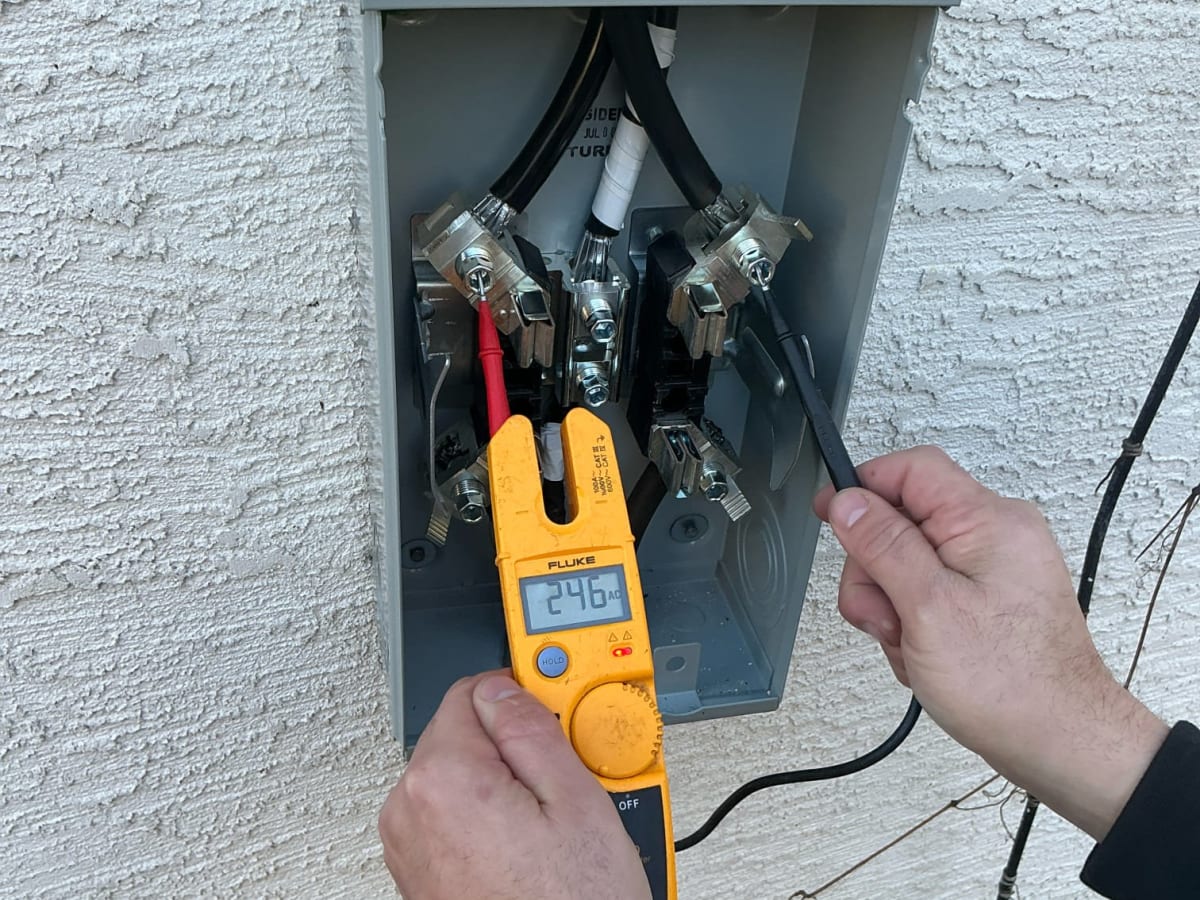
A 240-volt outlet supplies a different electrical configuration from a typical 120-volt household receptacle. It is used by certain appliances and equipment designed to operate on that supply.
The receptacle itself may look different from a standard outlet, and different 240-volt appliances may use different plug configurations. There is no single universal 240-volt outlet that works with every appliance.
A 240-volt connection is also not simply a standard outlet with more power available. The circuit, wiring, breaker, receptacle, and appliance must all be compatible.
Which Household Appliances May Need 240 Volts?
Several common household appliances may require a 240-volt supply, depending on the model.
Examples can include:
Electric clothes dryers
Electric ranges and cooktops
Certain electric water heaters
Some heating and cooling equipment
Certain workshop tools and larger equipment
The exact requirements vary. Some appliances are available in multiple configurations, and not every model in a category uses the same voltage.
An appliance's product specifications and installation manual are the best starting points. Check the voltage, amperage, connection type, and any circuit requirements before purchasing equipment.
This is especially important when replacing an older appliance. A new model may have different electrical requirements from the one being removed.
Does a 240-Volt Appliance Need a Dedicated Circuit?
Many appliances that use 240 volts require a dedicated circuit, but the exact requirements depend on the appliance and applicable electrical rules.
A dedicated circuit supplies one appliance rather than sharing its capacity with unrelated equipment. This can be important for appliances that draw substantial power or have specific manufacturer requirements.
The circuit must be appropriately sized for the equipment. That includes the wiring, overcurrent protection, and receptacle or hardwired connection. Choosing a receptacle based only on the shape of the appliance plug is not enough.
If you are adding a new appliance, have an electrician evaluate the existing electrical service and panel capacity as well as the proposed circuit. A home may have room for another breaker but still require additional consideration of its overall electrical capacity.
Can You Convert a 120-Volt Outlet Into a 240-Volt Outlet?
A standard 120-volt receptacle should not simply be replaced with a 240-volt receptacle as a do-it-yourself upgrade.
The existing wiring and circuit may not be suitable for the new voltage or appliance load. A proper conversion may require new wiring, a different breaker arrangement, a compatible receptacle, and other changes depending on the home's electrical system.
Never use an adapter or modify a plug to make an appliance fit an incompatible outlet. These workarounds do not establish that the circuit can safely supply the equipment.
A qualified electrician can determine what work is needed and whether the home's existing panel and service can support the new appliance.
What If Your Home Does Not Have the Right Outlet?
If your New Jersey home does not have the required connection, the next step is to plan an appropriate installation.
The electrician will need information about the appliance, including its voltage and electrical rating. The location also matters. A laundry area, kitchen, utility room, or workshop may have different installation considerations.
The electrician can assess the panel, determine a suitable circuit route, and identify the appropriate wiring and receptacle or hardwired connection. The work should follow the appliance instructions and applicable electrical requirements.
If you are remodeling, it is often easier to plan this work before cabinets, finished walls, or other construction elements are in place.
Think About Future Electrical Needs
A 240-volt outlet may be part of a larger home improvement project. For example, replacing a gas appliance with an electric model may change the electrical requirements of a kitchen or laundry room.
Before purchasing new equipment, consider whether other upgrades are planned. You may be adding an electric range, replacing a water heater, or changing the layout of a utility area.
Discussing these plans together can help an electrician assess whether the panel and service have the capacity for the proposed equipment. It can also reduce the chance of paying for separate electrical work that could have been coordinated.
Signs Your Existing Electrical Setup Needs Attention
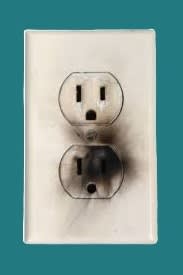
If you already have a 240-volt appliance, pay attention to changes in its electrical operation. Repeated breaker trips, a warm or discolored receptacle, a burning odor, buzzing, or visible damage should not be ignored.
Stop using equipment if its connection appears damaged or overheated. Do not repeatedly reset a breaker or attempt to replace a receptacle yourself.
An electrician can inspect the circuit and determine whether the issue involves the appliance, receptacle, wiring, breaker, or another part of the system.
Get the Electrical Requirements Right Before Installation
A 240-volt outlet may be necessary for a new appliance, but the correct installation depends on the equipment and your home's electrical system. Check the manufacturer's specifications, avoid adapters and improvised conversions, and have the circuit evaluated before connecting new equipment.
If you are planning an appliance upgrade in your New Jersey home, Thomas Edison Electric can help assess the existing electrical setup and discuss the work needed to support the new equipment.
Talk to an electrician
800.380.6800Available 24/7, including weekends.
Schedule Now- Same-day appointments
- Upfront, honest pricing
- Licensed and insured
Found this helpful?