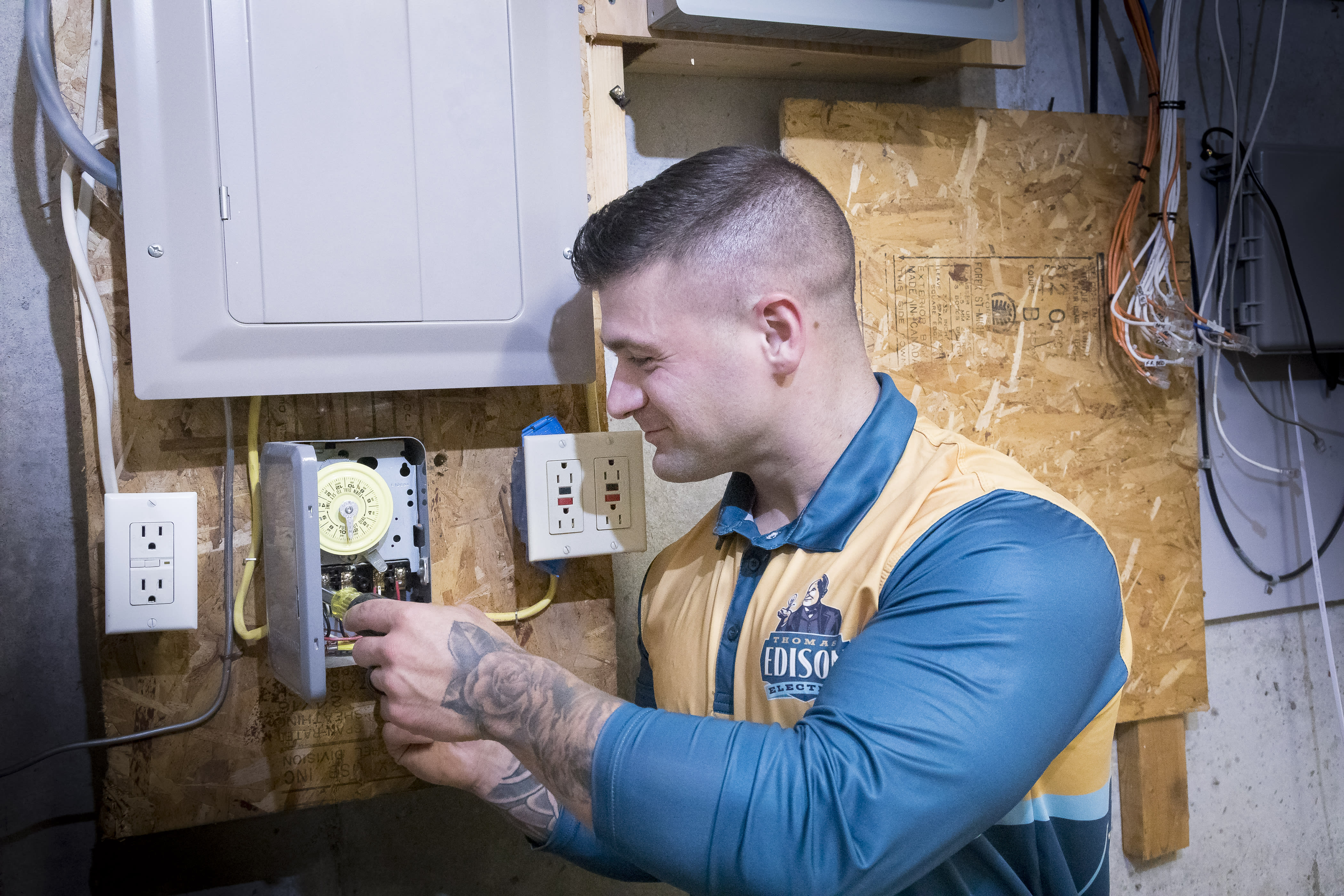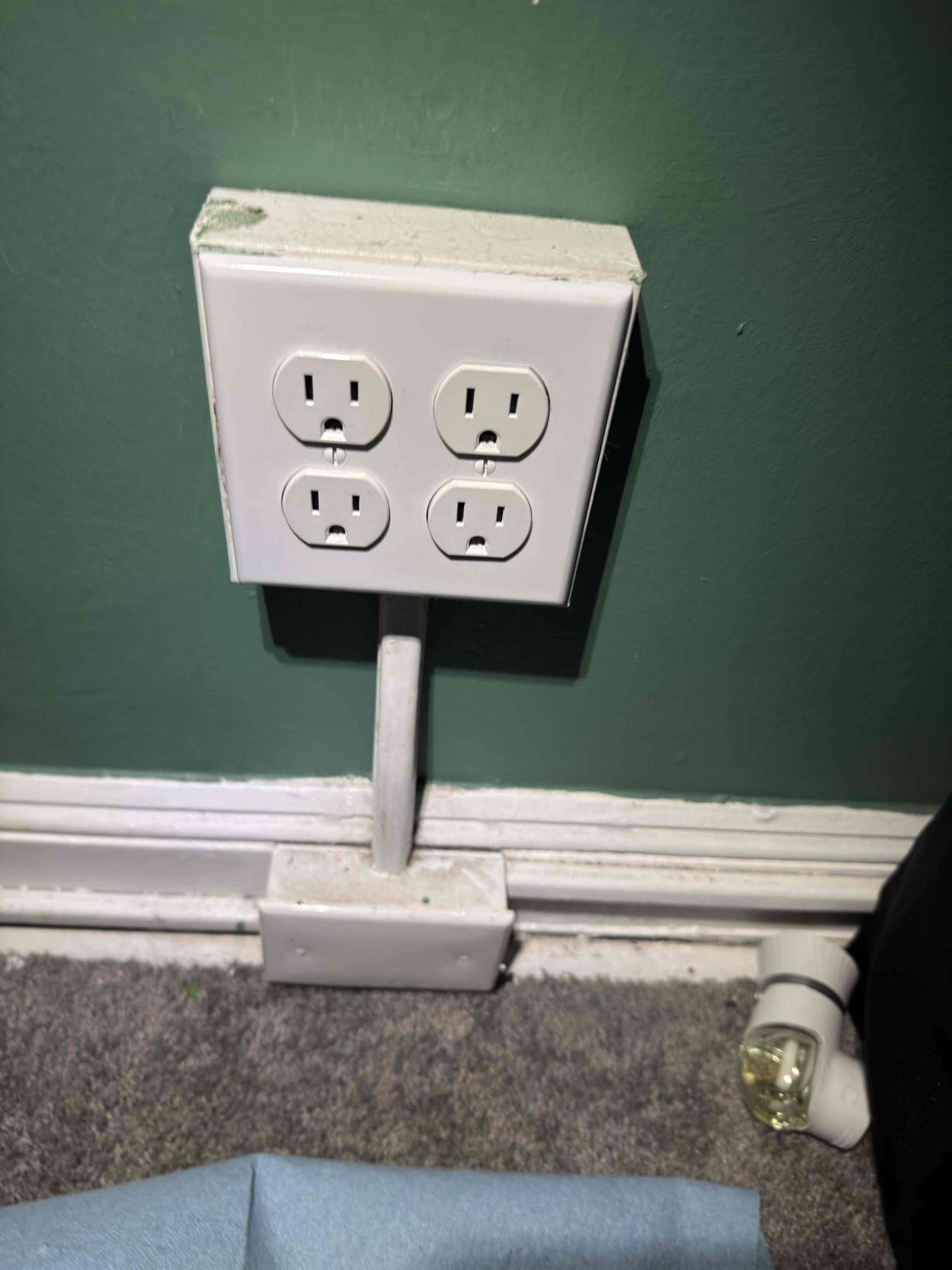



Older homes have plenty of character, from original woodwork to established neighborhoods and architectural details that are difficult to replicate. But the electrical systems inside those homes may not have been designed for the way families use electricity today.
If you own an older home in New Jersey, you may wonder whether the existing wiring is still safe or whether it is time to consider an electrical upgrade.
The answer depends on the wiring's type, condition, installation, and history of modifications. A home's age alone does not mean it needs to be rewired. However, certain warning signs and outdated electrical features make a professional evaluation worthwhile.
Why Electrical Wiring Age Matters
A home's electrical system includes more than the panel and the outlets you can see. Wiring runs through walls, ceilings, floors, and other concealed spaces, supplying power to lighting, appliances, receptacles, and permanently installed equipment.
Over time, wiring and its connections can deteriorate. Previous renovations may also have introduced incompatible components, improper connections, or circuits that no longer suit the home's electrical demands.
Older homes may have been built when households used fewer electronic devices and fewer high-demand appliances. Modern kitchens, home offices, laundry equipment, air conditioning, and other conveniences can place different demands on an existing system.
An electrician can evaluate whether the wiring remains suitable for the home's current needs and whether repairs or more extensive improvements are appropriate.
Five Signs Your Home's Wiring May Need Attention
1. Frequently Tripping Circuit Breakers
A breaker that trips repeatedly may indicate an overloaded circuit, a short circuit, a ground fault, or another electrical problem.
The solution is not necessarily to replace the breaker or install one with a higher rating. The breaker is designed to protect the circuit, and increasing its rating without verifying the wiring and equipment can create a dangerous condition.
If the same breaker continues to trip, an electrician can investigate the cause and determine whether the circuit, wiring, or electrical distribution needs attention.
2. Flickering Lights or Intermittent Power
Occasional flickering can have several explanations, including a loose bulb or a problem with the fixture. However, repeated flickering across multiple rooms, lights that dim when appliances operate, or outlets that intermittently lose power may point to a broader electrical issue.
Make note of when the problem occurs and which areas of the home are affected. That information can help an electrician narrow down the potential causes.
If flickering accompanies burning odors, buzzing, sparks, or unusual heat, stop using the affected equipment and seek prompt professional assistance.
3. Two-Prong Outlets or Missing Grounding
Two-prong outlets are common in older homes. They may indicate that a receptacle does not provide an equipment grounding connection, although the actual wiring configuration must be verified.
A missing ground does not automatically mean every wire in the home must be replaced. Depending on the existing system and applicable requirements, an electrician may recommend specific receptacle upgrades, circuit improvements, or more extensive work.
Do not assume that installing a three-prong outlet automatically provides grounding. The wiring and protection must be appropriate for the installation.
4. Aluminum Branch-Circuit Wiring
Some homes built during certain periods used aluminum conductors for branch circuits. Aluminum wiring is not automatically proof that a home is unsafe, but its connections and compatibility with electrical devices require appropriate attention.
Improper terminations or unsuitable replacement components can contribute to overheating. If you suspect your home contains aluminum branch-circuit wiring, ask a qualified electrician to identify the system and recommend an appropriate evaluation.
Do not attempt improvised repairs or use connectors that have not been approved for the specific application.
5. Burning Smells, Discoloration, or Damaged Wiring
A burning odor near an outlet, warm or discolored receptacles, cracked insulation, buzzing, or visible wire damage should never be ignored.
These symptoms may indicate overheating or another electrical fault. Stop using the affected equipment and arrange for professional evaluation. If there is smoke or active sparking, move away from the hazard and call 911 when appropriate.
Does an Older Home Always Need to Be Rewired?
No. Rewiring decisions should be based on the actual condition of the electrical system rather than a home's construction date alone.
An electrician may find that the wiring is in good condition and that only targeted repairs or upgrades are needed. In other homes, the inspection may reveal widespread deterioration, unsuitable modifications, or wiring that cannot adequately support planned renovations.
Possible recommendations include:
Repairing a damaged circuit or connection.
Replacing deteriorated receptacles or switches.
Adding properly designed circuits for new equipment.
Correcting grounding or bonding deficiencies.
Addressing identified wiring hazards.
Rewiring part or all of the home.
A professional assessment helps establish the scope of work instead of assuming that the most extensive option is automatically necessary.
What Happens During an Electrical Wiring Evaluation?
An electrician will typically begin by discussing the home's age, electrical history, known problems, and planned improvements. The evaluation may include examining the electrical panel, accessible wiring, receptacles, switches, and other relevant components.
The electrician may look for damaged insulation, questionable connections, signs of overheating, inappropriate modifications, and circuits that appear poorly matched to their loads.
Not every wiring issue can be identified through a visual inspection alone. Depending on the findings, further testing or access to concealed areas may be necessary.
After the evaluation, ask for a clear explanation of the findings, which problems need prompt attention, what work is recommended, and whether permits or inspections apply.
Planning Rewiring During a New Jersey Renovation
If you are renovating an older home in Cherry Hill, Moorestown, Mount Laurel, Princeton, or another community within Thomas Edison Electric's New Jersey service area, it may be practical to evaluate the electrical system before walls and ceilings are closed up.
Kitchen remodels, additions, finished basements, and major layout changes can create opportunities to address wiring concerns while access is available.
Electrical work in New Jersey is subject to applicable state and local requirements. Permit and inspection needs depend on the project, so confirm the requirements with the appropriate local construction office and your electrical contractor before work begins.
Planning early can help you understand the scope, coordinate trades, and avoid discovering significant electrical issues late in a renovation.
Can Rewiring Improve Everyday Convenience?
Electrical rewiring is primarily about safety, reliability, and meeting a home's electrical needs. Depending on the project, it may also provide opportunities to improve convenience.
For example, a renovation may create the opportunity to add receptacles where they are needed, improve lighting layouts, or provide appropriately designed circuits for equipment.
However, rewiring does not automatically lower electricity bills or guarantee that every existing electrical problem will disappear. The outcome depends on the specific improvements made and the condition of the rest of the system.
Schedule an Electrical Evaluation for Your Older Home
You do not have to guess whether your home's wiring is still appropriate. A qualified electrician can assess the existing system, explain any concerns, and help you prioritize necessary repairs and improvements.
Thomas Edison Electric provides residential electrical services for homeowners in New Jersey, including electrical troubleshooting, wiring repairs, and electrical upgrades. If your home has aging wiring, recurring electrical problems, or an upcoming renovation, contact Thomas Edison Electric to discuss an evaluation.
The goal is not to replace wiring unnecessarily. It is to understand your home's electrical condition and make informed decisions about keeping the system safe, reliable, and suited to your needs.
Ready when you are
Book online in a couple of minutes, or call and speak to someone now. We answer 24/7.
Found this helpful?
Pass it along to a neighbor, tenant, or friend who could use it.