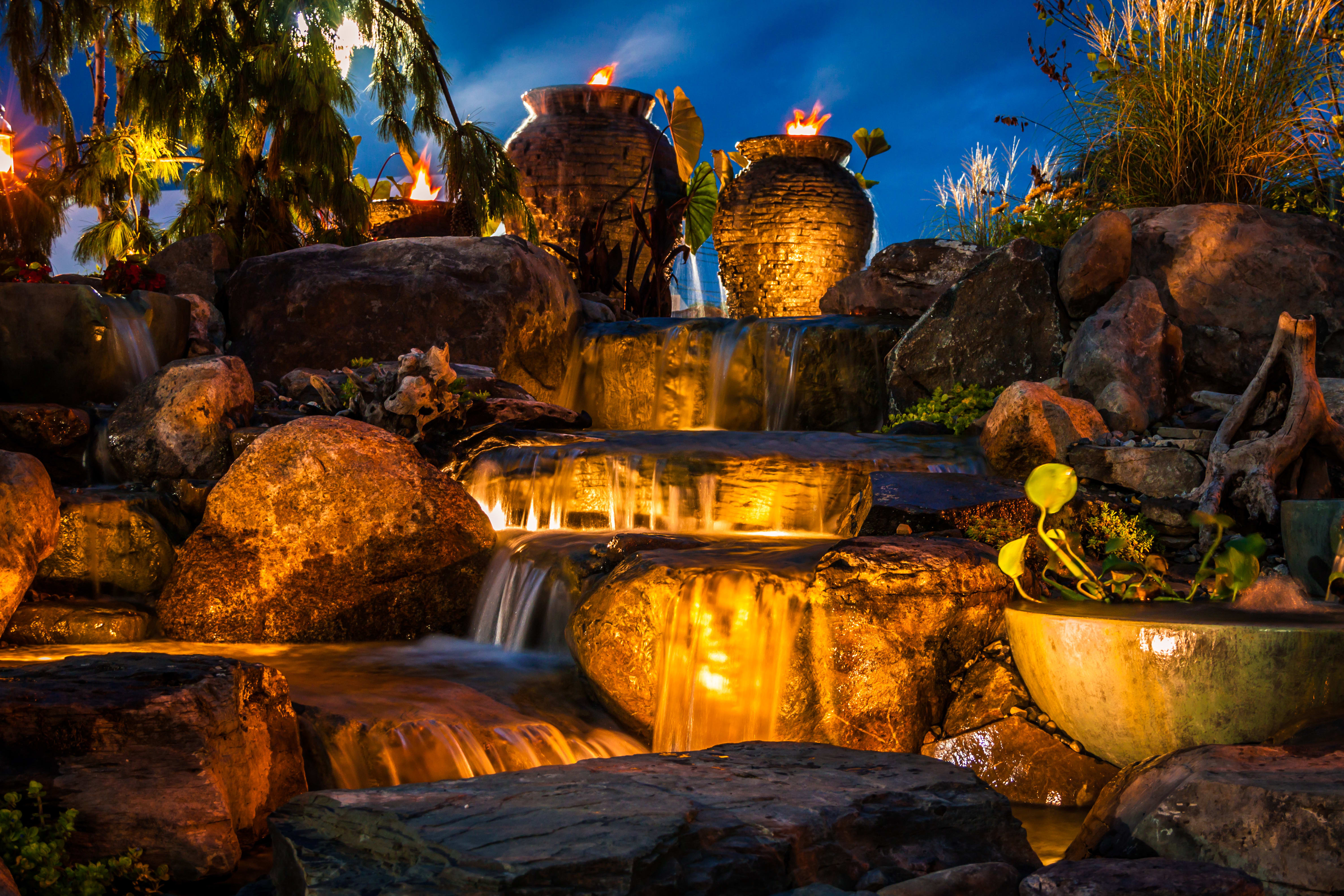

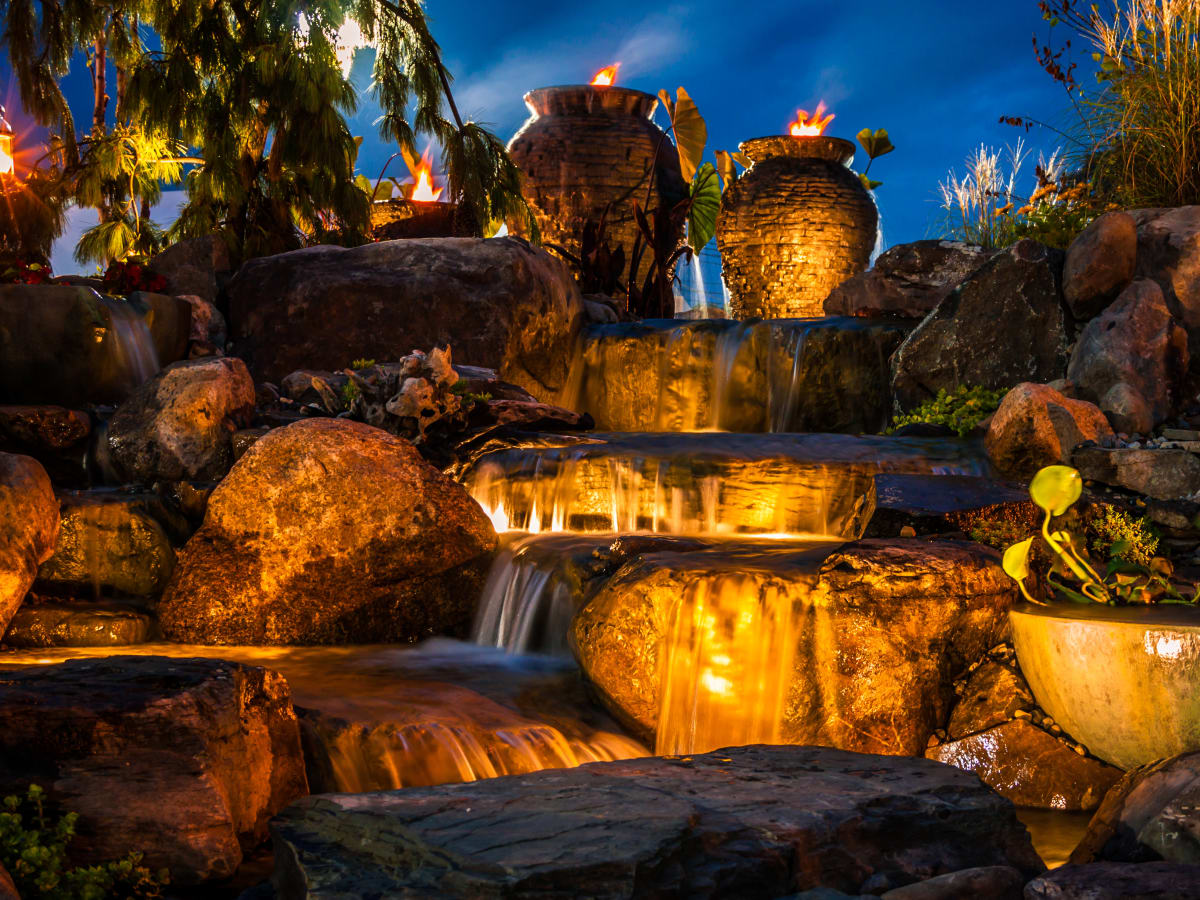
Outdoor lighting can make a significant difference in how a home looks and functions after sunset. It can highlight landscaping, illuminate walkways, create a welcoming entrance, and make outdoor areas more comfortable to use.
However, an effective landscape lighting installation involves more than placing a few fixtures around the yard. The best results come from planning the layout, choosing appropriate lighting styles, considering energy use, and making sure the electrical installation is suitable for the property.
For homeowners throughout South and Central New Jersey, landscape lighting can be a useful improvement for everything from compact suburban yards to larger properties with mature trees, gardens, patios, and long driveways. A thoughtful design can provide attractive illumination without making the property unnecessarily bright.
Start With the Purpose of Your Outdoor Lighting
Before selecting fixtures, consider what you want the lighting to accomplish.
Some homeowners want to highlight architectural features or landscaping. Others are primarily interested in illuminating walkways, improving visibility around entrances, or creating a more inviting outdoor environment. Many projects involve several goals, and it helps to divide the property into different lighting zones.
For example, a front entrance may need functional lighting for visitors, while a garden bed may benefit from softer accent lighting. A patio may need enough illumination for outdoor dining without creating glare or making the entire yard feel overly bright.
Thinking about each area separately makes it easier to select the right fixtures and controls. It also helps avoid the common mistake of installing too many lights without a clear purpose.
Popular Types of Landscape Lighting
Landscape lighting includes several different fixture styles. Each serves a different purpose, and many properties benefit from a combination.
Path and Walkway Lights
Path lights are designed to illuminate walkways, garden paths, and other areas where people regularly walk. They can help make changes in elevation, turns, and landscaping features easier to see after dark.
For properties with long walkways or winding garden paths, placement is particularly important. Fixtures should provide useful illumination without creating an uneven line of bright spots or shining directly into visitors' eyes.
Spotlights and Uplights
Spotlights can draw attention to trees, shrubs, decorative landscaping, and architectural details. A carefully positioned fixture can highlight the shape of a mature tree or create depth around a garden feature.
Uplighting can be particularly effective when used selectively. The goal should be to emphasize a feature rather than illuminate every tree and plant on the property.
Downlights
Downlights direct illumination toward the ground or another specific surface. They can be used to illuminate paths, planting beds, patios, and other areas while limiting unnecessary upward light. Depending on the fixture and mounting location, downlighting can also create a softer and more natural appearance.
Wall Wash Lighting
Wall wash fixtures distribute light across a larger surface. They can be used to highlight exterior walls, stonework, architectural features, and other parts of a home's exterior. This type of lighting can help create a more balanced appearance when combined with smaller accent fixtures.
Area and Security Lighting
Some outdoor areas need broader illumination. Driveways, entryways, and other frequently used spaces may benefit from area lighting or floodlights.
Motion-activated lighting can also be useful where illumination is only needed when someone approaches or enters an area. The appropriate design depends on the property's layout and the homeowner's goals.
Plan the Layout Before Choosing Fixtures
One of the most important parts of landscape lighting design is determining where the fixtures should go. A lighting plan should consider the property's natural features and how people move through the space.
Walk around the yard after sunset if possible. Areas that appear obvious during the day may feel very different when natural light disappears.
Pay attention to:
Front entrances and steps.
Walkways and driveway edges.
Patios and seating areas.
Trees and larger landscaping features.
Garden beds and retaining walls.
Side entrances and less visible areas.
Changes in elevation.
Consider how the lighting will look from inside the house, too.
A bright fixture aimed directly toward a window may become distracting when viewed from a living room or bedroom. Likewise, lights that shine toward neighboring properties can create unnecessary glare. A balanced installation should illuminate the intended areas without overwhelming the surrounding space.
Choose the Right Brightness and Color Temperature
More light is not automatically better. Excessive brightness can make an outdoor area feel harsh, create glare, and draw attention away from the features the homeowner wants to highlight.
DarkSky International recommends outdoor lighting that is useful, targeted, no brighter than necessary, controlled, and warmer in color where possible. These principles can help homeowners create attractive lighting while limiting unnecessary light pollution.
Color temperature also affects the overall appearance. Warmer lighting often creates a more relaxed atmosphere around gardens, patios, and outdoor seating areas. Cooler lighting may be more appropriate for certain functional applications, depending on the fixture and property.
The best choice depends on the desired appearance and the type of activity taking place. When planning a larger installation, it can be helpful to compare fixture samples and lighting effects before committing to a complete layout.
Consider LED Landscape Lighting
LED technology is widely used in modern outdoor lighting because it can provide efficient illumination with relatively long operating life.
The U.S. Department of Energy identifies LED technology as an energy-efficient option for exterior lighting applications and notes that lighting controls can provide additional opportunities to reduce energy use.
When selecting LED fixtures, consider:
Light output.
Color temperature.
Weather suitability.
Fixture construction.
Manufacturer installation requirements.
Compatibility with any proposed controls.
LED fixtures are available in many different styles, so homeowners do not need to sacrifice appearance to choose an energy-conscious option. Some systems also allow lighting levels to be adjusted to suit different times of day or activities.
Should You Use Timers or Motion Sensors?
Outdoor lighting does not necessarily need to remain on throughout the night. Timers, photocells, and motion sensors can help control when fixtures operate.
For example, pathway lights may be scheduled to turn on around sunset, while a motion sensor can activate additional lighting when someone approaches a driveway or side entrance.
These controls can improve convenience and help reduce unnecessary operating time. They can also make a lighting installation more flexible.
A homeowner may want different lighting behavior for a front entrance, backyard patio, and side walkway. An electrician can help determine which controls are compatible with the fixtures and how they should be arranged.
Low-Voltage and Line-Voltage Landscape Lighting
Landscape lighting systems can use different electrical configurations. Some systems use low-voltage equipment supplied through a transformer. Others involve line-voltage fixtures and wiring.
The appropriate choice depends on the lighting products, layout, electrical supply, and installation requirements. Homeowners should not assume that every landscape lighting project uses the same wiring method.
Even when the visible fixtures operate at low voltage, the equipment supplying power to the system still needs to be installed appropriately. Outdoor electrical installations must also account for exposure to moisture, soil, temperature changes, and physical damage.
A qualified electrician can assess the existing electrical supply, determine what equipment is suitable, and identify any work that requires professional installation.
New Jersey Weather and Outdoor Lighting
Outdoor lighting in New Jersey needs to withstand changing seasonal conditions. Rain, snow, moisture, temperature fluctuations, and freeze-thaw cycles can affect exposed equipment and connections over time. Fixtures should be selected for their intended locations, and installation should follow the manufacturer's requirements. A fixture designed for a protected area may not be appropriate for a location exposed directly to the elements.
Homeowners should also consider maintenance access. Lighting installed among shrubs or near garden beds should remain accessible enough for inspection, cleaning, and replacement when necessary. Planning for these practical details can help avoid problems after the landscaping has matured.
Why Professional Landscape Lighting Installation Matters
A landscape lighting project may involve more than mounting fixtures. Depending on the design, it can require electrical connections, transformers, controls, wiring pathways, and changes to existing outdoor electrical equipment.
Professional installation helps ensure that the selected components are suitable for the application and that the electrical work is completed appropriately. It also provides an opportunity to evaluate the existing outdoor power supply before adding equipment. This is particularly useful when the property has limited exterior outlets or when the lighting design involves several different areas.
Landscape Lighting Design for South and Central New Jersey Homes
The right outdoor lighting can improve the appearance and functionality of your property without creating unnecessary glare or energy use. Whether you want to highlight a garden in Moorestown, illuminate a walkway in Cherry Hill, or update the outdoor spaces around a home in Burlington or Mercer County, planning makes a difference.
Thomas Edison Electric offers indoor and outdoor lighting installation, replacement, repair, and custom lighting design for homeowners in its South and Central New Jersey service area.
As a family-owned company serving Cherry Hill, Thomas Edison Electric can help you explore lighting options that suit your property and goals. Contact the team to discuss your landscape lighting project and determine what installation approach may be appropriate.
Talk to an electrician
800.380.6800Available 24/7, including weekends.
Schedule Now- Same-day appointments
- Upfront, honest pricing
- Licensed and insured
Found this helpful?