Recessed lighting is a popular way to create a clean, modern look without adding bulky fixtures to a ceiling. Whether you are updating a kitchen, brightening a basement, or renovating a living room, recessed lights can provide useful illumination while keeping the overall design simple.
However, a successful installation involves more than choosing attractive fixtures. Placement, ceiling construction, wiring, insulation, and lighting requirements all deserve consideration.
If you are thinking about recessed lighting installation in your Pennsylvania home, here are some important factors to consider before beginning the project.
What Is Recessed Lighting?
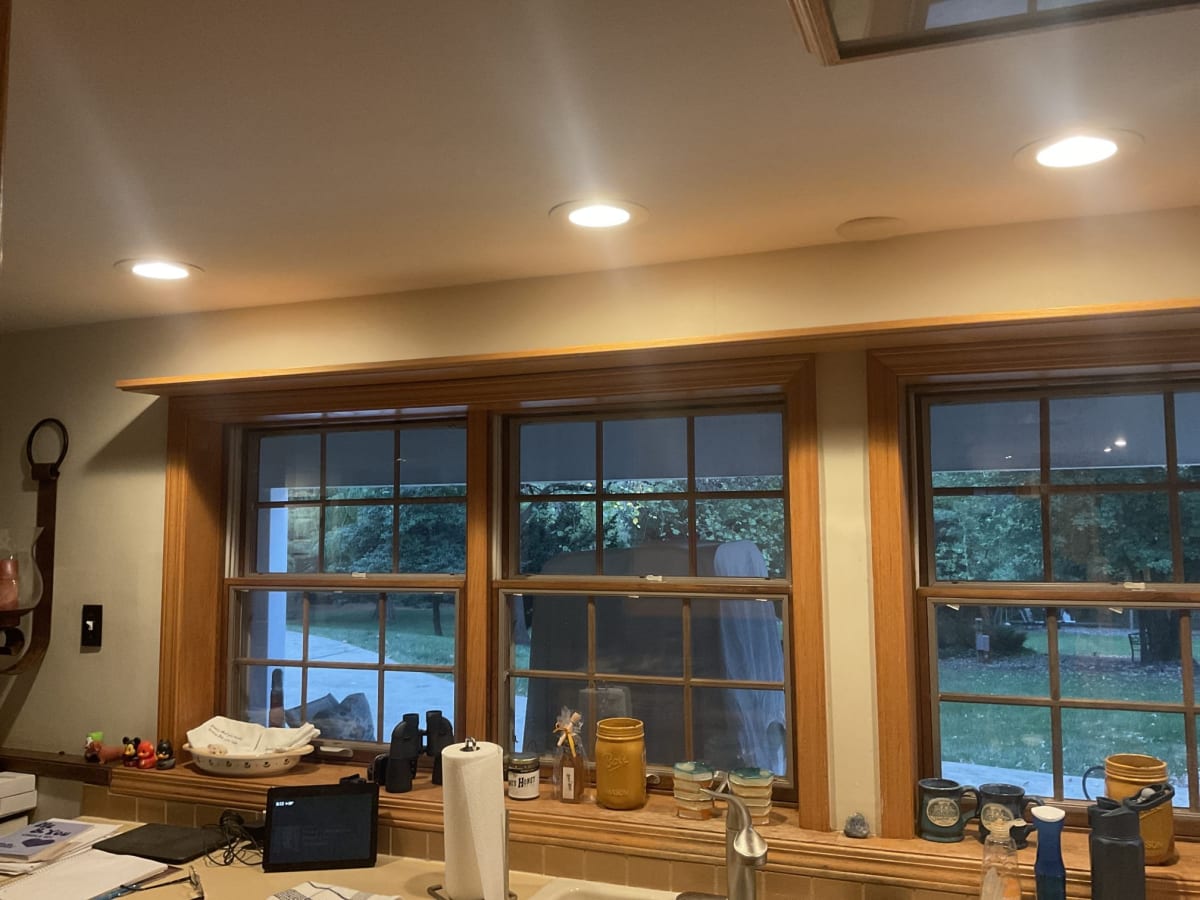
Recessed lighting consists of fixtures installed within a ceiling, with the light source positioned so that most of the housing is concealed.
Traditional recessed fixtures were commonly called can lights because of their cylindrical housings. Modern LED versions are available in several configurations, including slim fixtures designed for ceilings with limited installation space.
Recessed lighting can serve several purposes:
General illumination throughout a room.
Task lighting over kitchen counters or work areas.
Accent lighting to highlight architectural features.
Supplemental lighting in hallways and finished basements.
The best arrangement depends on the room's dimensions, ceiling height, furniture placement, and intended use.
How Many Recessed Lights Does a Room Need?
There is no universal number of recessed fixtures that works for every room.
The appropriate layout depends on factors such as room size, ceiling height, fixture brightness, beam angle, and the amount of natural light available.
Too few fixtures may leave dark areas, while too many can make a room feel overly bright or create unnecessary glare.
For kitchens, consider the locations of countertops, islands, sinks, and work areas. In living rooms, think about seating arrangements and how you use the space throughout the day.
A lighting plan can help determine fixture spacing and placement before installation begins.
Can Recessed Lighting Be Installed in an Existing Ceiling?
Yes, in many cases. However, the installation method depends on the ceiling construction and the type of fixture selected.
Some recessed fixtures require access to the space above the ceiling. Others are designed for installation in existing finished ceilings with minimal access.
Before selecting fixtures, consider:
Whether the ceiling contains insulation.
Whether there are joists or other obstructions.
Whether existing wiring can be used.
Whether the ceiling has limited installation depth.
Whether the selected fixtures are appropriate for the location.
An electrician can evaluate the space and determine which installation approach is suitable.
What Is the Difference Between IC-Rated and Non-IC-Rated Fixtures?
Insulation contact ratings are an important consideration when selecting recessed lighting.
IC-rated fixtures are designed for installations where they may come into contact with building insulation, subject to their listing and installation instructions.
Non-IC-rated fixtures have different clearance requirements and should not be covered with insulation unless the manufacturer specifically permits it.
This distinction matters in Pennsylvania homes, where ceiling insulation is important for comfort and energy efficiency during cold winters.
The correct fixture must be selected for the actual ceiling conditions. Never assume that all recessed lights can safely be covered by insulation.
Are LED Recessed Lights Worth Considering?
LED recessed lighting is widely used in residential installations because LED technology can provide substantial illumination with relatively low electrical consumption.
Other potential advantages include:
Long rated operating life.
A variety of color temperatures.
Different brightness levels.
Compact fixture designs.
Compatibility with certain dimming controls.
However, LED products vary in quality and performance. Check the manufacturer's specifications, including brightness, color temperature, dimming compatibility, and installation requirements.
Can Recessed Lights Be Installed in a Bathroom or Shower?
Recessed lighting can be used in bathrooms, but fixtures must be appropriate for their specific location.
A fixture installed near a shower or tub may need a particular rating and must meet applicable electrical requirements. The wiring and associated components must also be suitable for the installation.
Do not assume that an ordinary recessed light is appropriate for every bathroom ceiling.
An electrician can help select compatible equipment and determine the proper installation method.
Common Recessed Lighting Problems
Even professionally installed lighting can develop problems over time.
Flickering: This may indicate an incompatible dimmer, loose connection, defective driver, or another electrical issue.
Lights that will not turn on: A failed LED driver, defective fixture, or wiring problem may be responsible.
Uneven illumination: Poor fixture placement or inconsistent brightness can make a room feel less comfortable.
Overheating: Fixtures must be installed according to their ratings and instructions. Signs of overheating should be investigated promptly.
If you notice burning odors, smoke, or sparking, stop using the affected lighting and seek appropriate professional assistance.
Plan Recessed Lighting Before Your Renovation Is Finished
Adding recessed lights during a kitchen renovation, basement finishing project, or major room update can be easier when electrical work is coordinated before ceilings are closed.
Homeowners in Newtown, Doylestown, Langhorne, and surrounding Pennsylvania communities should consider lighting placement early in the renovation process.
Discuss fixture locations, dimming preferences, existing wiring, insulation, and ceiling access with your electrician. This helps establish a practical installation plan before other work is completed.
Schedule Recessed Lighting Installation With Thomas Edison Electric
Recessed lighting can improve the appearance and functionality of your home when the fixtures are selected and installed appropriately.
Thomas Edison Electric provides residential electrical services for homeowners in Pennsylvania, including lighting-related electrical work and troubleshooting. Whether you are updating an existing room or planning a larger renovation, contact Thomas Edison Electric to discuss recessed lighting installation.
A thoughtful lighting plan can help you create a comfortable, functional space that suits the way your household lives.
Ready when you are
Book online in a couple of minutes, or call and speak to someone now. We answer 24/7.
Found this helpful?
Pass it along to a neighbor, tenant, or friend who could use it.