
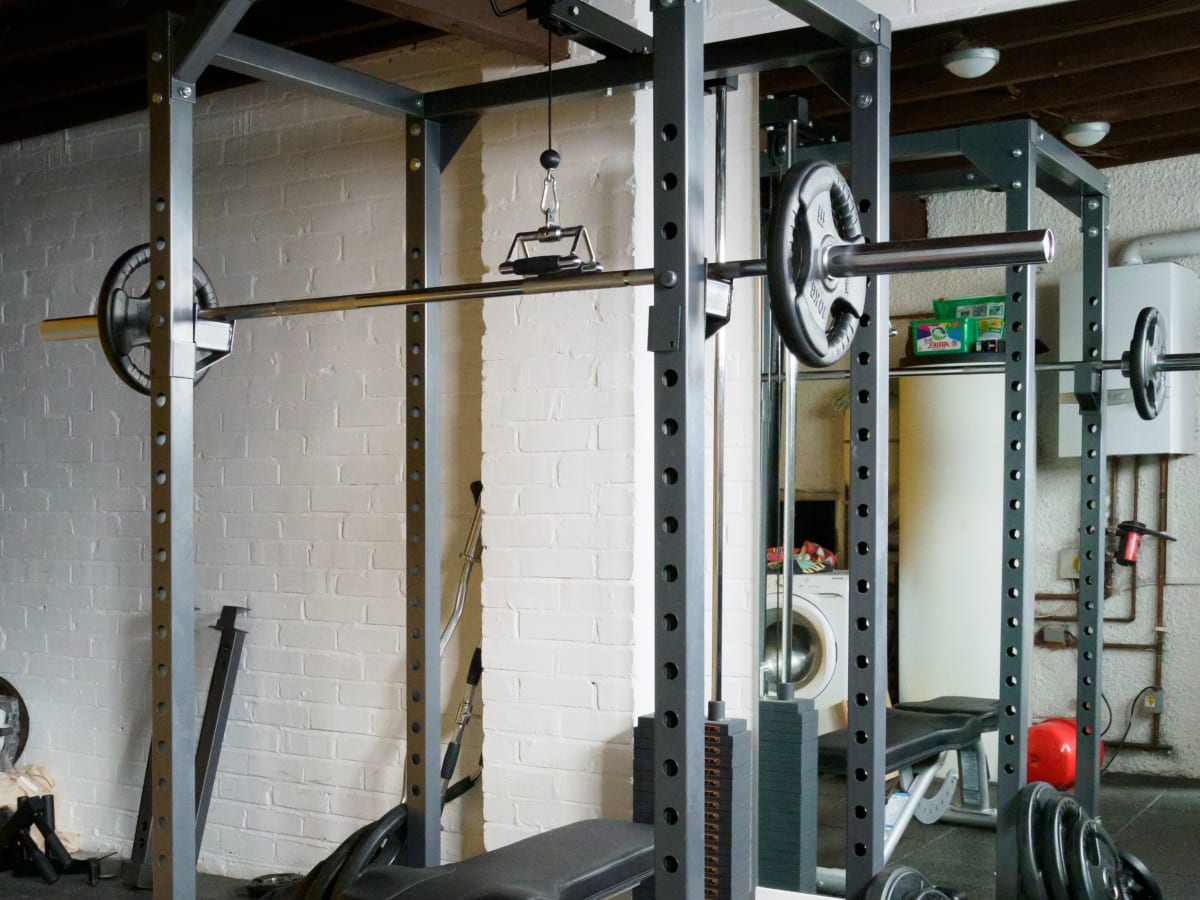
A home gym can make it easier to maintain a regular fitness routine without traveling to a separate facility. Whether you are converting a spare bedroom, finishing part of a basement, or creating a dedicated workout area, the space should be comfortable, functional, and suited to the equipment you plan to use.
Many homeowners focus first on flooring, mirrors, storage, and exercise equipment. Electrical planning is another important part of the process. Lighting, receptacle placement, ventilation equipment, entertainment systems, and powered fitness machines can all affect how the room should be set up.
For Pennsylvania homeowners, particularly those renovating existing spaces in Bucks County communities such as Newtown, Langhorne, Richboro, Washington Crossing, and Doylestown, it is worth considering electrical needs before installing equipment or finishing walls.
A little planning can help create a home gym that works well from the beginning and is easier to adapt as your fitness routine changes.
Start With Your Equipment List
The best electrical plan begins with a realistic understanding of what will be used in the room. A small workout space with a yoga mat and free weights has different needs from a gym with treadmills, stationary bikes, televisions, and other powered equipment.
Make a list of the equipment you already own and anything you expect to purchase. Include items that may not seem significant individually, such as chargers, speakers, fans, and televisions.
Powered Exercise Equipment
Treadmills, elliptical machines, stationary bikes, and other powered fitness equipment may have specific electrical requirements. Those requirements vary by manufacturer and model, so review the equipment documentation before deciding where it will be installed.
Do not assume that all exercise machines have identical power needs. Some equipment may have particular requirements for voltage, receptacle configuration, or circuit arrangements.
An electrician can review the equipment information and help determine whether the existing electrical system is appropriate for the planned setup.
Smaller Electronics and Accessories
Many home gyms also include devices that need convenient access to power. These may include phones, tablets, speakers, televisions, charging stations, and other accessories.
Although these devices may use relatively little electricity individually, their placement still matters. If the room has too few conveniently located receptacles, cords may end up crossing walkways or extending across workout areas.
Planning receptacle locations around the layout of the room can make the space more practical.
Plan Receptacle Placement Around the Layout
The location of outlets can have a significant effect on how comfortable and functional a home gym feels.
Before electrical work begins, decide where the major equipment will go. Consider the position of treadmills, exercise bikes, benches, storage racks, and any entertainment equipment.
Avoid Depending on Extension Cords
An extension cord may seem like an easy solution when an outlet is not located where you need it. However, cords across a workout area can become tripping hazards, particularly when people are moving quickly or changing positions.
Cords can also be damaged by equipment, furniture, and repeated movement. It is generally better to plan for suitable receptacle locations than to rely on temporary wiring arrangements.
If the room does not have enough convenient outlets, an electrician can evaluate whether additional receptacles can be installed.
Consider Equipment Placement Before Installation
It is easier to determine outlet locations before heavy equipment is moved into the room. Think about how much clearance each machine needs and whether its power connection will remain accessible.
A treadmill positioned against a wall, for example, may need an outlet that is accessible without creating an awkward cord route. A television or sound system may need power in a different part of the room.
Planning around the finished layout can help reduce clutter and make everyday use more convenient.
Lighting for a Safe and Comfortable Workout
Lighting is one of the most important elements of a functional home gym. A room that is too dim may feel uncomfortable, while poorly positioned fixtures can create glare or shadows.
The right lighting arrangement depends on the size of the space, ceiling height, natural light, and activities taking place in the room.
General Room Lighting
Start with adequate general illumination throughout the gym. The goal is to make the entire room easy to navigate, including areas around equipment and storage.
If you are converting an existing room, the current light fixture may not provide the coverage you want. A lighting upgrade can help create a more evenly illuminated space.
Task and Accent Lighting
Some homeowners prefer additional lighting around mirrors, storage areas, or specific workout stations. These fixtures can make the space easier to use and give it a more finished appearance.
Consider where shadows may fall when you are using equipment or exercising in front of a mirror. Fixture placement should support visibility rather than create distracting glare.
If the room is being renovated, discuss lighting locations before drywall or other finishes are installed.
Ventilation Equipment and Other Electrical Needs
A home gym can become warm during exercise, particularly in a small room or a basement with limited airflow. Some homeowners use fans or other equipment to improve comfort.
If you plan to install powered ventilation equipment, include it in the electrical plan. The type of equipment, its location, and its electrical requirements should be reviewed before installation.
Fans and Portable Equipment
Portable fans may provide additional airflow, but their placement should not interfere with movement or create cord hazards. If you are considering permanently installed equipment, discuss the electrical requirements with a qualified professional.
The same applies to other powered accessories. A room that starts with one fan may eventually include additional equipment, so it is useful to consider the overall setup.
Entertainment and Connectivity
Many homeowners prefer to exercise with music, television, or streaming workouts. A home gym may therefore include a television, speakers, a media device, or other electronics.
Think about where these items will be located and how they will receive power. If you plan to mount a television, consider the placement of nearby receptacles before the wall is finished.
Keeping power connections organized can make the room more attractive and reduce the temptation to route cords across the floor.
What About a Basement Home Gym?
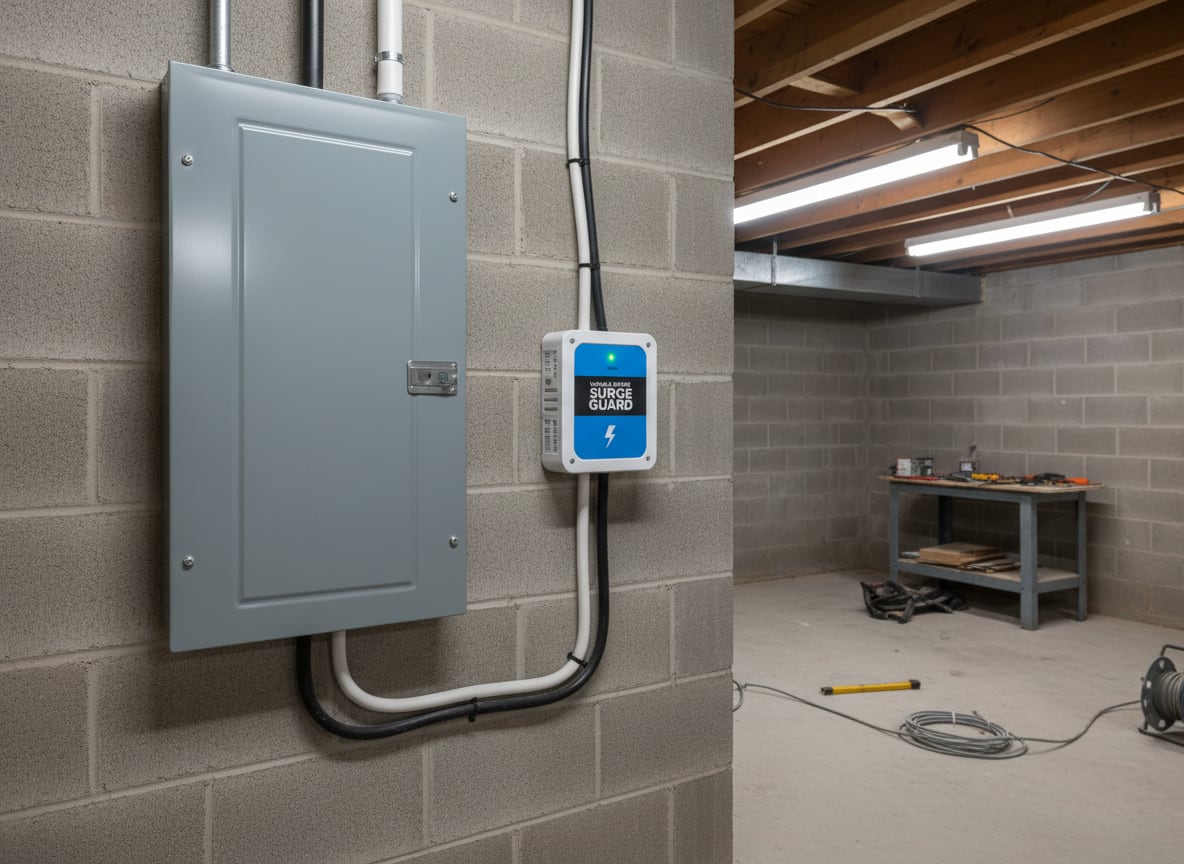
Basements are popular locations for home gyms because they can provide additional space without changing the home's primary living areas. However, basement conditions deserve special attention.
Moisture, limited natural light, lower ceilings, and existing wiring can all influence the project.
Consider Moisture Conditions
Before installing electrical equipment, make sure the space is appropriate for regular use. A basement with a history of water intrusion or damp conditions should be evaluated before adding new equipment or finishing the room.
Electrical components need to be suitable for their installation locations. If moisture is a concern, discuss it with the appropriate professionals before proceeding.
Evaluate Existing Electrical Components
If the basement is unfinished or has been modified several times, the existing electrical layout may not match your plans. An electrician can assess accessible wiring and determine whether the room needs additional work to support the proposed gym.
This is particularly important when adding multiple powered machines or changing the use of a space that previously served mainly as storage.
Plan Before Finishing the Room
If the basement is being finished as part of the gym project, coordinate electrical work with the overall renovation. Receptacles, switches, lighting, and any other electrical components should be planned before walls and ceilings are closed.
Making changes after construction is complete can be more disruptive than addressing the electrical layout during the initial project.
Electrical Capacity and Exercise Equipment
A home gym does not automatically require a major electrical upgrade. The appropriate setup depends on the equipment, existing circuits, and overall electrical demand.
However, homeowners should not assume that every machine can be plugged into any convenient outlet.
Review Manufacturer Requirements
Fitness equipment manufacturers provide information about electrical requirements and recommended use. These instructions should be reviewed before installation.
If you are purchasing several machines, gather the documentation for each one. An electrician can use that information to evaluate the proposed setup.
Avoid Overloading Existing Circuits
A circuit may already serve lights, receptacles, and other equipment in nearby rooms. Adding substantial loads without evaluating the existing installation can lead to problems.
If a breaker trips or equipment does not operate as expected, do not repeatedly reset the breaker or assume the machine is defective. The circuit and equipment should be evaluated to determine the cause.
An electrician can assess the electrical demand and recommend an appropriate solution.
Pennsylvania Renovation and Permit Considerations
If your home gym involves electrical alterations, the work may be subject to Pennsylvania's Uniform Construction Code and local permitting requirements. The details depend on the municipality and the scope of the project.
Homeowners should confirm applicable requirements with the local building code official or a qualified contractor before work begins. This is especially important when the gym is part of a larger basement renovation or room conversion.
Planning the electrical work alongside the construction schedule can help avoid delays and unnecessary changes.
Build a Home Gym That Works for Your Household
A well-designed home gym should support your equipment, workout habits, and available space. Electrical planning helps make that possible by addressing lighting, power access, equipment requirements, and future needs before the room is finished.
If you are converting an existing room or creating a dedicated workout space, consider having the electrical layout evaluated as part of the project. A qualified electrician can help identify whether additional receptacles, lighting changes, or other electrical work may be appropriate.
Thomas Edison Electric works with residential clients throughout Pennsylvania, including communities in Bucks County such as Newtown, Langhorne, Richboro, Washington Crossing, and Doylestown. If you are planning a home gym, our team can help you evaluate the electrical requirements and discuss your options.
Whether your project involves a simple spare-room conversion or a more extensive basement renovation, start with an electrical plan that supports how you intend to use the space.
Talk to an electrician
800.380.6800Available 24/7, including weekends.
Schedule Now- Same-day appointments
- Upfront, honest pricing
- Licensed and insured
Found this helpful?