

By Mike H., Service expert Philadelphia Market Street office
Job at a glance
- Location
- Philadelphia, PA
- Service
- Bathroom Exhaust Fan Repair
- When
- October 2026
- Service expert
- Mike H.
- Called about
- a bathroom exhaust fan
- Panel brand
- Siemens
- Visits
- 1
- Options offered
- 2
- Inspection passed
- No
What this type of job typically costs
$600 to $1,600
Problem diagnosed and fixed on the visit
From 1,189 jobs we completed in the last 18 months.
The middle half of what our clients paid for this work alone across Pennsylvania and New Jersey, before discounts, refreshed every month. A licensed service expert sees your home and gives a written price before any work starts.
Range updated November 10, 2026.
About this service →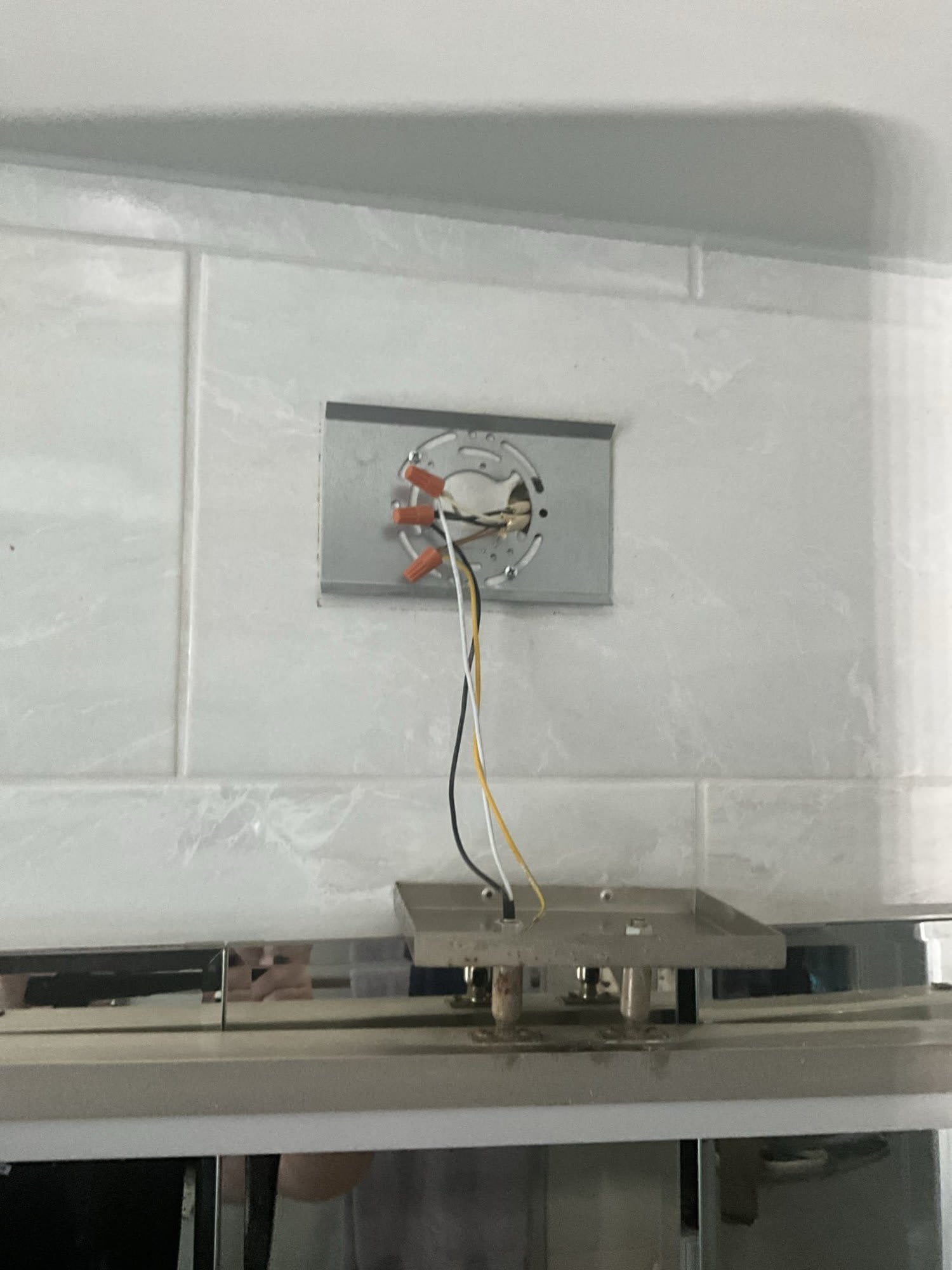
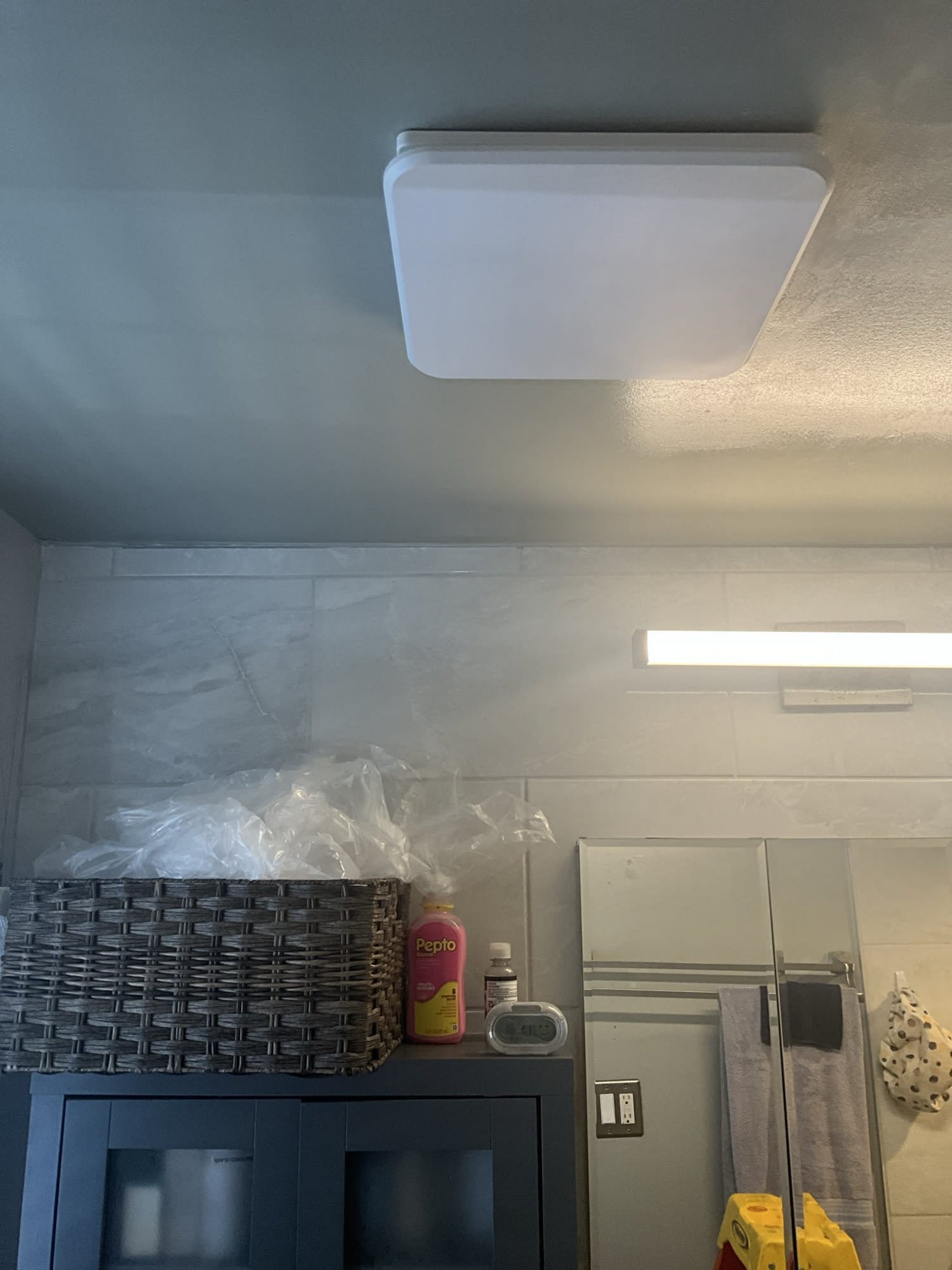
A Philadelphia homeowner called about a bathroom exhaust fan that needed wiring work. The service expert arrived the same day to diagnose the issue and evaluate the electrical setup.
The client's problem
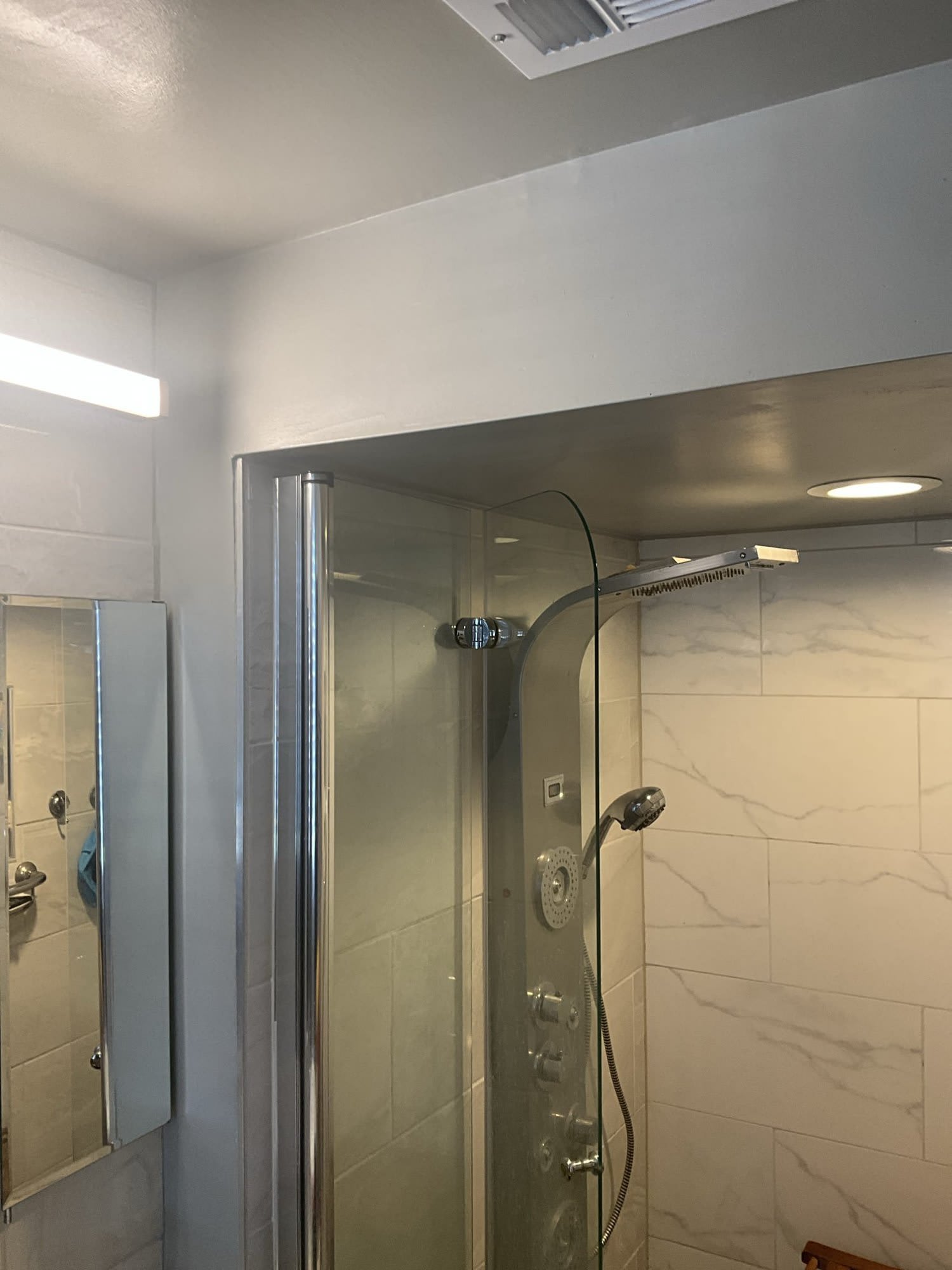
The client had a bathroom exhaust fan with lights that were not functioning properly and needed the unit wired in correctly.
What our service expert found
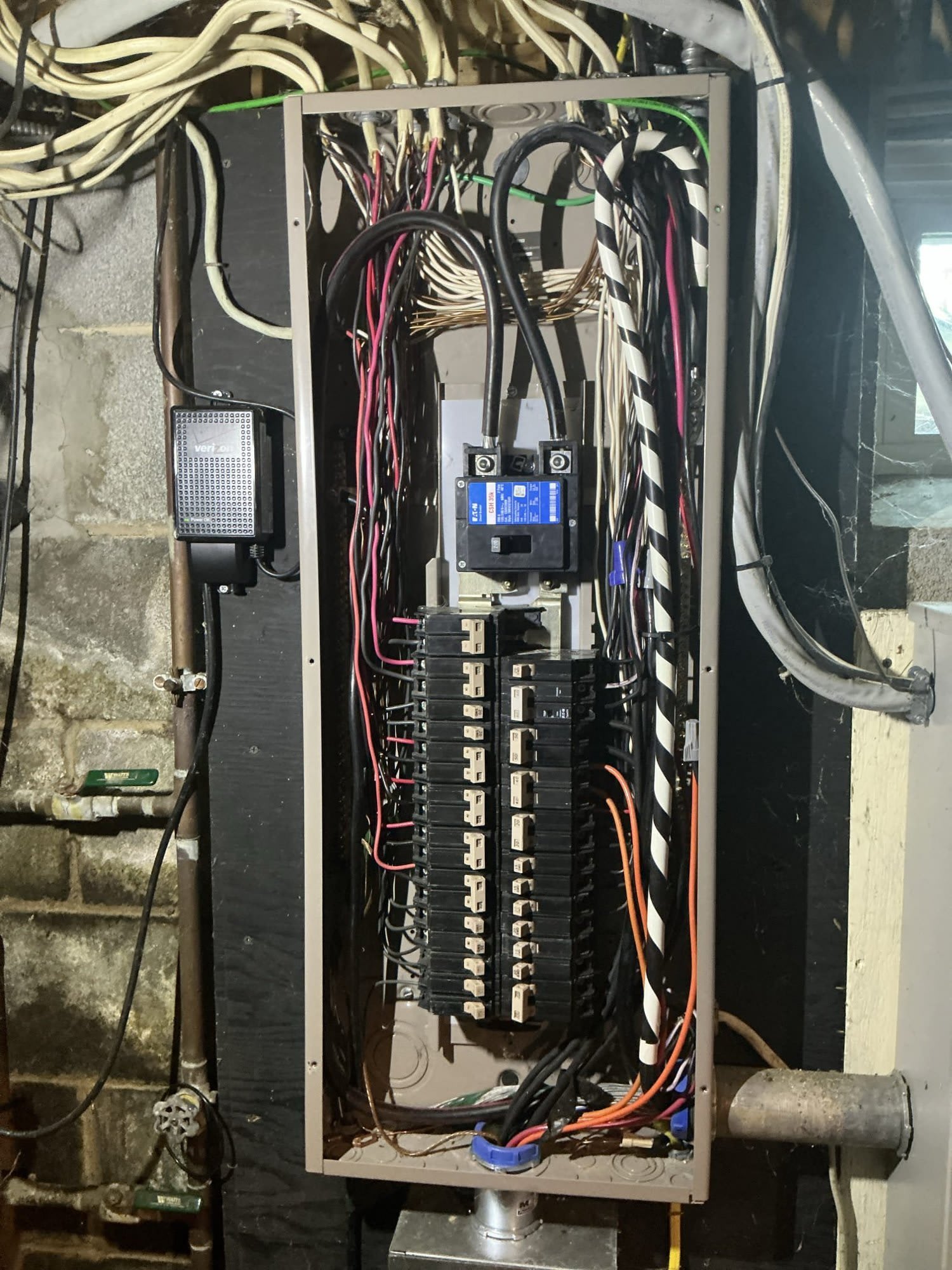
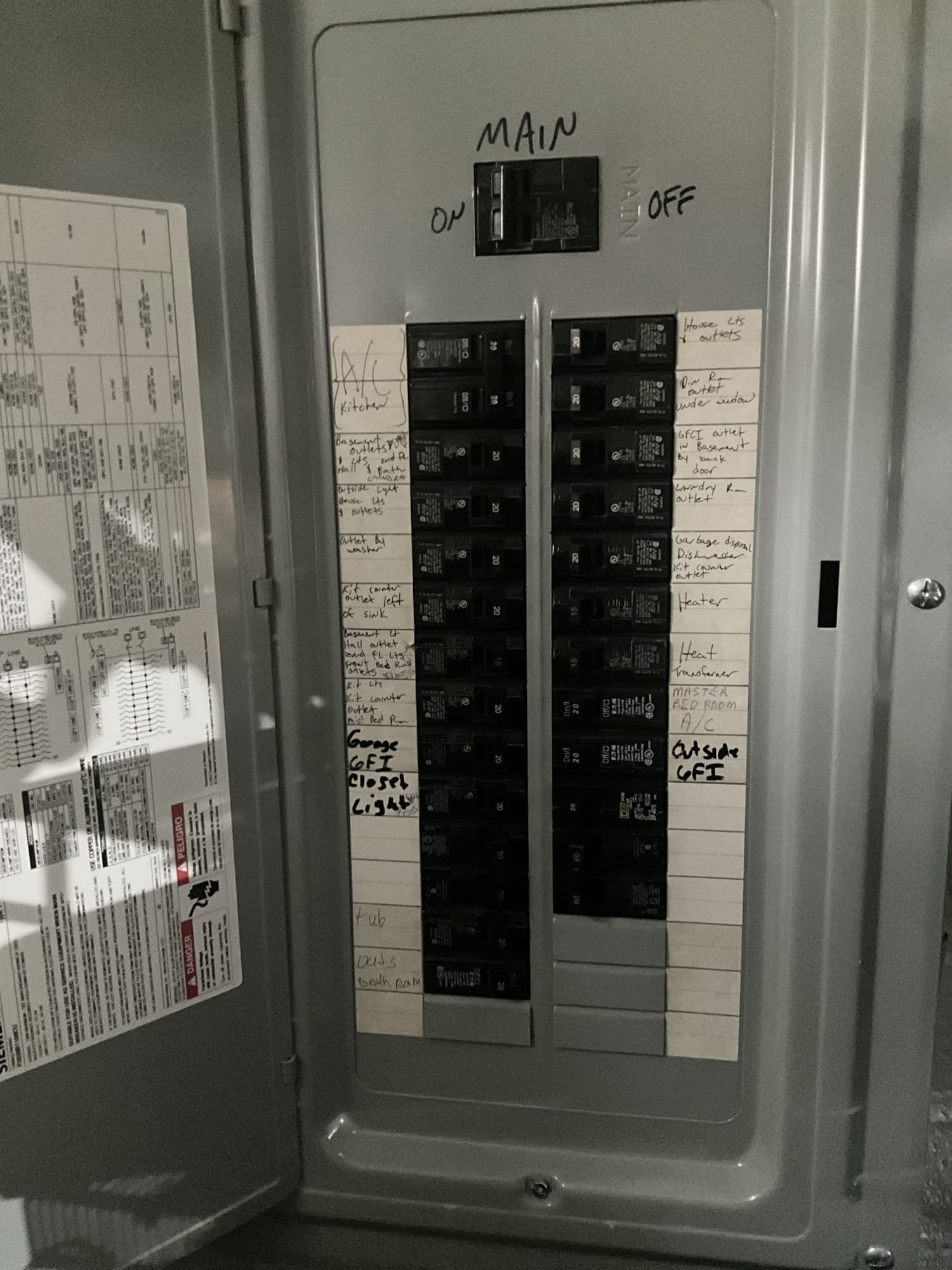
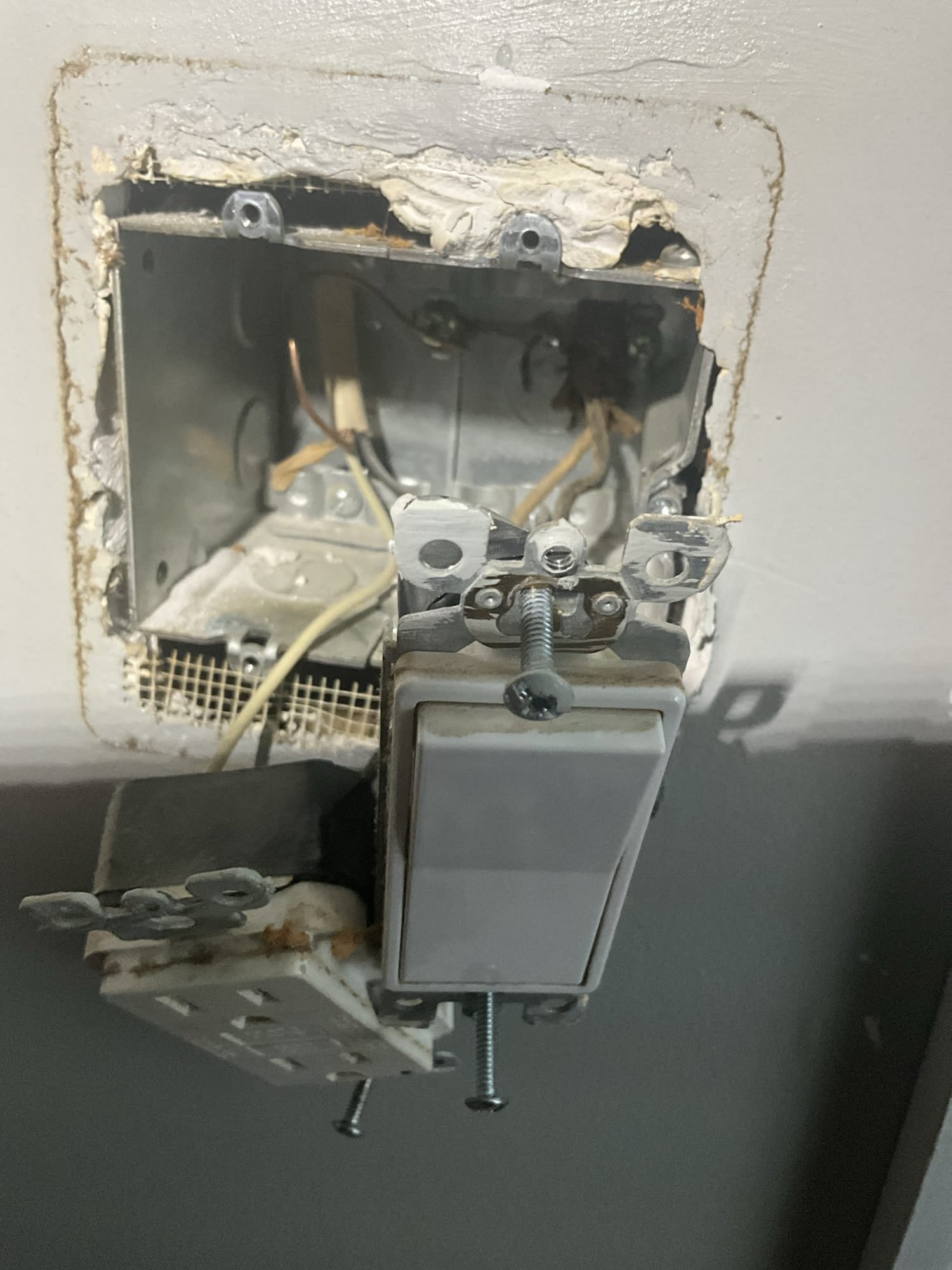
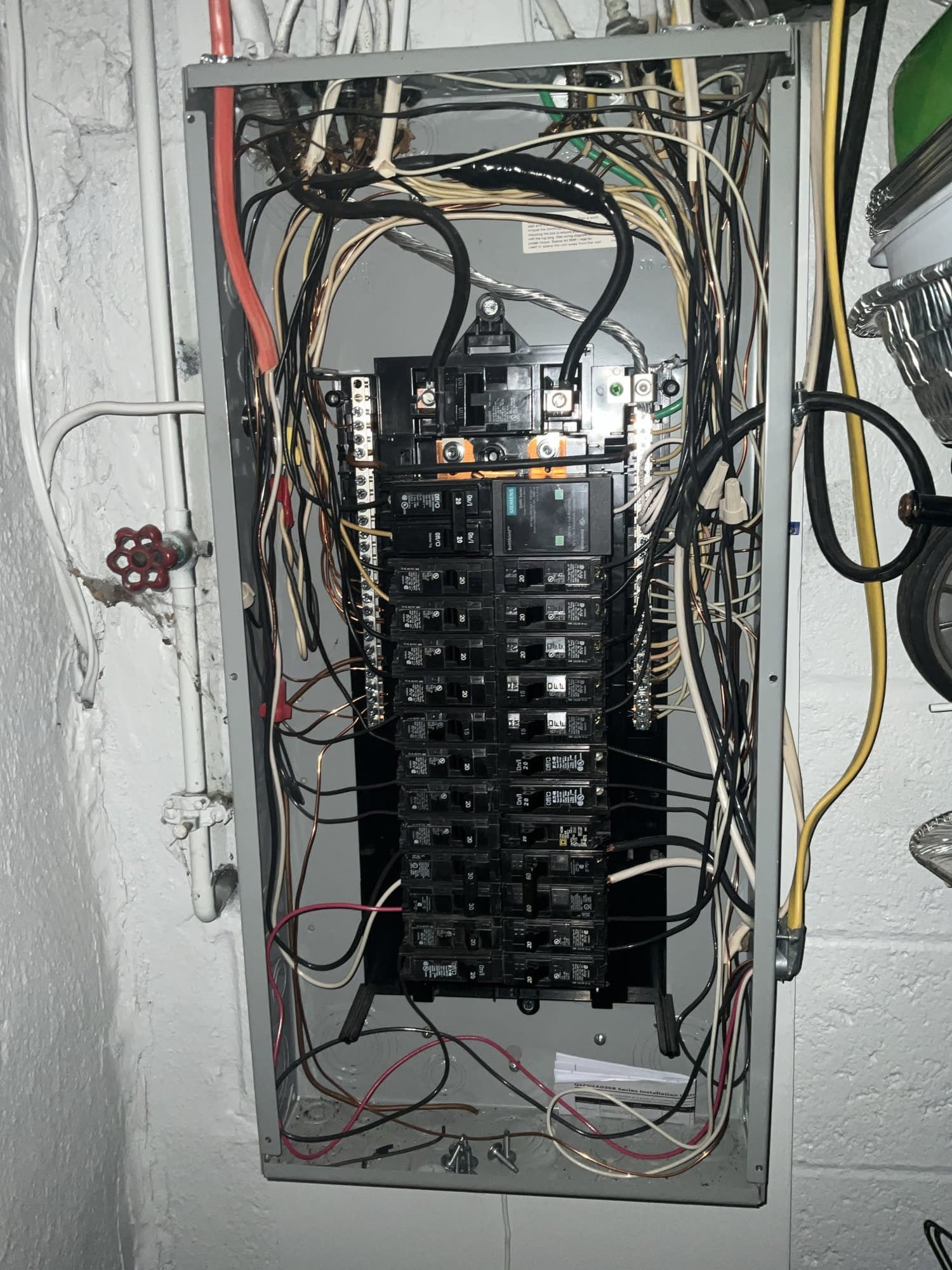
During the inspection, the service expert discovered an open splice in the ceiling where the fan wiring connected, along with a missing junction box that should have contained the electrical connections. The wiring was also found to be too short for a proper, code-compliant installation. Additionally, the home had no whole home surge protection installed on the Siemens panel, leaving electronics and appliances vulnerable to power surges.
Options we presented
The service expert presented two options to address the immediate repair and improve overall electrical protection.
Remove and reinstall the bathroom exhaust fan with proper junction box and wiring connections (the client chose this one)
Install a whole home surge protective device at the main panel to protect electronics and appliances (the client chose this one)
The solution
The client chose to proceed with both options. The service expert carefully removed the existing bathroom exhaust fan to access the wiring and mounting area. A small junction box was installed to properly contain the electrical connections and eliminate the open splice. The fan was reinstalled and tested for proper operation. A Siemens whole home surge protective device was also installed at the panel to guard against damaging power surges.
Work performed
Removed existing bathroom exhaust fan for inspection and access
Installed small junction box to contain wiring connections
Reinstalled and tested bathroom exhaust fan for proper operation
Installed Siemens whole home surge protective device at the panel
What we installed
- RACO 660, Handy Box 4x2 - 1-7/8D - 1/2KO
- RACO 860, Handy Box Blank Cover
- Siemens QSPD2A065P Whole-Panel Surge Protective Device
Why pricing varies
No two homes are wired the same. On this job, the price came down to:
- Surge device type and rating
- Whether the device mounts inside the panel or beside it
- Available breaker positions in the panel
- Panel condition and any corrections found when the cover is removed
- Layered protection at sensitive equipment
- Grounding system condition, which the device depends on
A service expert prices your job after seeing it, and you approve the price before any work starts.
Why it matters in Philadelphia
Open splices and missing junction boxes are common issues in older Philadelphia homes where previous work may not have been completed to current standards. Exposed wiring connections create fire hazards and can cause fixtures to malfunction. Adding whole home surge protection is especially valuable in urban areas where power fluctuations from the grid can damage sensitive electronics over time.
Common questions
What is an open splice and why is it dangerous?
An open splice is an electrical connection between wires that is not enclosed in a proper junction box. This creates a fire hazard because the exposed connections can arc, overheat, or come into contact with insulation and other materials in the ceiling or wall cavity.
Why does a bathroom exhaust fan need a junction box?
Electrical codes require all wire connections to be contained within an approved junction box. The box protects the connections from damage, contains any sparks or heat, and provides a safe, accessible point for future maintenance or repairs.
What does a whole home surge protector do?
A whole home surge protector installs at your main electrical panel and diverts excess voltage from power surges away from your home's wiring. This protects appliances, electronics, and other devices from damage caused by lightning strikes, utility switching, or other grid disturbances.
Will I need to repair the ceiling after exhaust fan work?
Sometimes a small opening in the drywall or ceiling is necessary to access the fan mounting and wiring. Any drywall patching or painting after the electrical work is typically the homeowner's responsibility, though the opening is kept as small as possible.
Filmed on the job
Watch the walkthrough
Mike H. filmed this on the job in Philadelphia, so you can see what we found and what the work involved.

The service expert on this job
Mike H.
Service expert
Mike is a service expert and field trainer with Thomas Edison Electric. He has completed more than 1,400 jobs for clients in Bucks, Philadelphia and Montgomery counties. His most common calls are lighting and ceiling fans, troubleshooting, outlets and switches and panel upgrades.
More about Mike →Reviewed by a licensed Thomas Edison Electric service expert on November 18, 2026.
Where this job was
Philadelphia, Pennsylvania, in Philadelphia. Electrical service in Philadelphia
Related
- More electrical repair case studies
- Bathroom Exhaust Fan Repair: how we do this job
- More jobs from the Philadelphia Market Street office
- Electrical service in Philadelphia
- Dead Circuit at Washing Machine Outlet in Buckingham, PA: Laundry Circuit Repair
- Bathroom Fan Would Not Shut Off in West Chester, PA: Circuit Repair
- More jobs by Mike H.
- Our electrical services
- Contact Thomas Edison Electric