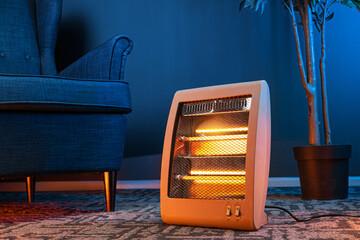

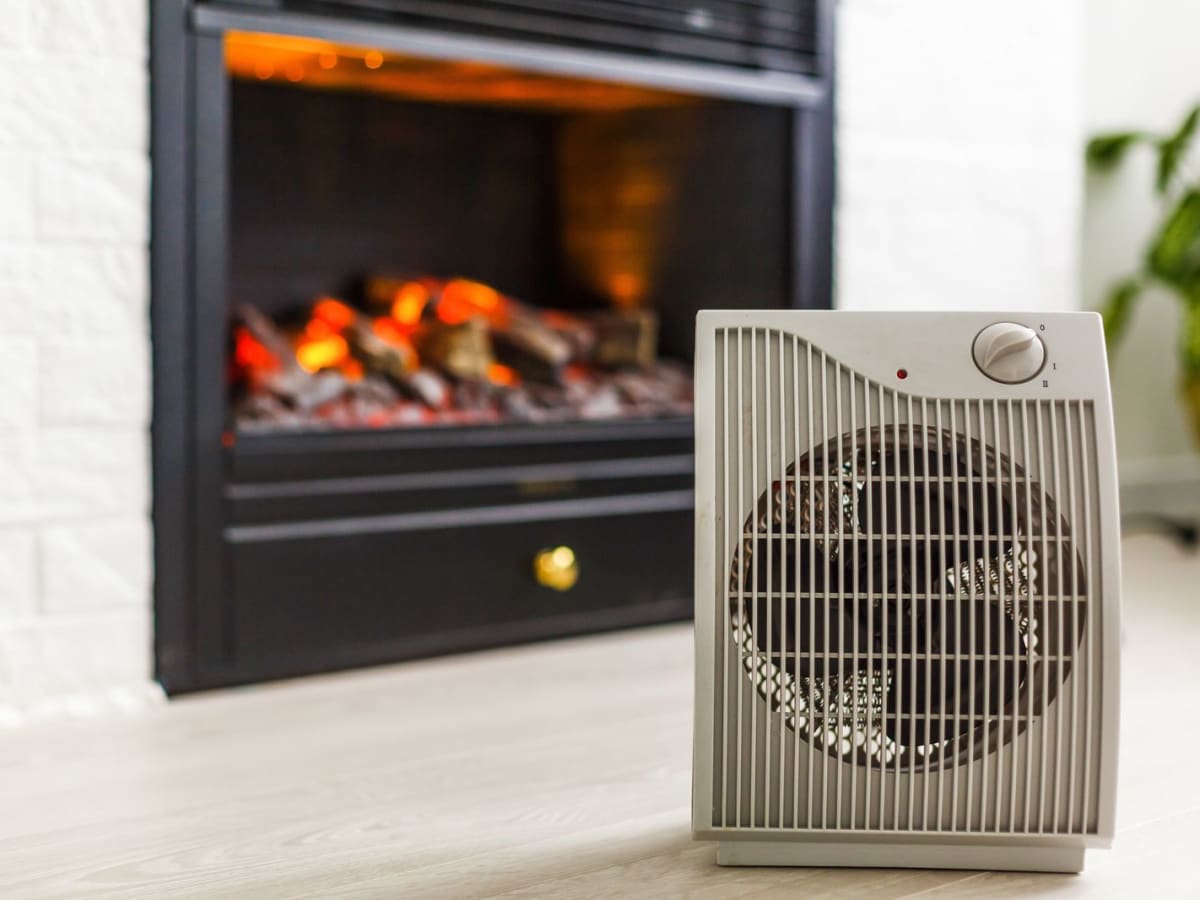
When temperatures drop, portable electric space heaters can be a convenient way to add warmth to a room without adjusting the thermostat for the entire house. They are commonly used in bedrooms, home offices, basements, and other areas where additional heat may be desirable.
However, electric space heaters also create important electrical and fire safety considerations. These appliances draw substantial electrical power, often operate for extended periods, and produce concentrated heat. Improper use can increase the risk of electrical overheating or fire.
For homeowners throughout South and Central New Jersey, understanding electric space heater safety is especially important during the colder months. A few precautions can help reduce unnecessary risks while making sure your home's electrical system is suitable for the equipment being used.
Why Electric Space Heaters Require Special Attention
Unlike many small household electronics, portable space heaters can draw a significant amount of electricity. They are designed to generate heat, which means their electrical components and connections must operate under the conditions specified by the manufacturer. Problems can arise when a heater is connected improperly, used with damaged equipment, or placed too close to combustible materials.
The Consumer Product Safety Commission has warned that portable heaters are associated with residential fire risks. Its safety guidance emphasizes proper placement and direct connection to a wall outlet rather than an extension cord or power strip. Understanding these precautions is important before using a heater regularly.
Plug Space Heaters Directly Into a Wall Outlet
One of the most important rules for electric space heater safety is to plug the heater directly into a suitable wall outlet. Do not use an extension cord or power strip to operate a portable electric space heater.
These accessories may not be suitable for the electrical demand created by the heater. Overheating can occur when cords or power strips are exposed to loads beyond their intended ratings.
The CPSC specifically recommends plugging electric space heaters directly into a wall outlet and never using an extension cord or power strip for this purpose.
If the heater's cord cannot reach an appropriate outlet, reconsider where the heater is placed rather than improvising a longer connection.
A properly located outlet is a safer solution than a cord stretched across a room.
Check the Outlet Before Using a Space Heater
The condition of the receptacle matters just as much as the heater itself. Before connecting a portable heater, make sure the outlet is in good condition and that the plug fits securely.
A loose connection can create problems during operation, particularly when an appliance draws substantial power over an extended period. Do not use an outlet that is cracked, damaged, visibly discolored, or unable to hold the plug securely. Pay attention to unusual heat around the plug or receptacle.
If the outlet, plug, or cord becomes unusually hot, stop using the heater and arrange for the problem to be evaluated. Do not assume that the condition is normal simply because the appliance is designed to produce heat. If you notice a burning odor, melted plastic, or visible damage, discontinue use and seek professional assistance.
Keep Space Heaters Away From Combustible Materials
The location of a portable heater is one of the most important factors in preventing fires. A heater should never be positioned where its hot surfaces or airflow can come into contact with combustible materials.
The CPSC recommends keeping portable heaters at least three feet away from furniture, bedding, curtains, and other materials that can burn. Its February 2026 safety reminder also emphasizes this three-foot clearance.
This includes items that may seem harmless, such as:
Blankets and comforters.
Clothing.
Paper and magazines.
Upholstered furniture.
Curtains and drapes.
Decorative materials.
Storage boxes.
Be particularly careful in bedrooms and home offices, where fabrics, furniture, and paper products may be close to the heater. A heater should have adequate clearance on all sides, not just in front of it.
Choose a Stable Location
Space heaters should be placed on a stable, level surface where they are unlikely to tip over. Avoid positioning them on furniture, uneven flooring, or surfaces where they could be knocked over.
Keep heaters away from busy walkways and areas where children or pets may bump into them. Do not place a portable heater where its cord creates a tripping hazard.
The location should also provide enough room for the heater to operate according to its manufacturer instructions. Never cover a heater or use it to dry clothing, towels, or other materials.
Do Not Leave Space Heaters Running Unattended
Portable heaters should not be left operating when no one is present to monitor them. They should also be turned off before going to sleep.
This is particularly important when using a heater in a bedroom or another area where someone may fall asleep without realizing the appliance is still running. If you need additional warmth overnight, consider whether the room's permanent heating system or another appropriate solution can provide it more safely. A portable heater should not become an unattended substitute for a properly designed home heating system.
Avoid Using Space Heaters Near Water
Electricity and water create a serious shock hazard. Portable electric heaters should be kept away from sinks, bathtubs, showers, wet floors, and other locations where water may be present.
Do not use a heater in an area where it could be splashed or exposed to moisture unless the manufacturer specifically identifies it as suitable for that application. Basements and laundry areas deserve particular attention. These spaces may contain moisture, utility sinks, appliances, and other conditions that make heater placement more complicated.
If an area has a history of water intrusion, consider whether a portable electrical appliance is appropriate before using one there.
Understand Your Home's Electrical Capacity
A space heater's electrical requirements should be considered in the context of the circuit and other equipment being used. For example, a home office may already have computers, monitors, printers, and other electronics connected to nearby outlets. A bedroom may have lighting, chargers, televisions, and other devices using the same electrical circuit. Adding a heater increases the electrical demand.
This does not mean that every space heater requires a dedicated circuit. The appropriate arrangement depends on the heater's specifications, the circuit configuration, and the other electrical loads.
If you plan to use a heater regularly and are unsure whether the existing electrical system is suitable, an electrician can evaluate the circuit and discuss whether any changes are appropriate. Do not attempt to solve electrical problems by replacing a breaker with one of a higher rating or modifying the outlet yourself.
Watch for Signs of an Electrical Problem
During use, pay attention to the condition of the heater's cord, plug, and receptacle.
Stop using the equipment if you notice:
A burning smell.
Discoloration around the outlet.
A plug that becomes unusually hot.
Damaged cord insulation.
Cracked or melted components.
Unusual buzzing or sparking.
Repeated interruptions in power.
Do not continue operating a heater when these warning signs appear.
If there is smoke, visible fire, or an immediate electrical hazard, leave the area and contact emergency services. An electrician can evaluate the outlet and circuit, while a qualified appliance service provider can assess the heater itself.
It is important to identify which component is causing the problem rather than assuming that replacing the receptacle or purchasing another heater will resolve everything.
Choose and Maintain Your Heater Carefully
When purchasing a portable electric heater, look for a product from a reputable manufacturer and follow its installation and operating instructions. Check the product documentation for electrical requirements, placement restrictions, and maintenance guidance. Before each heating season, inspect the heater and its cord for visible damage. Do not use equipment that has missing components, damaged wiring, or other signs of deterioration.
Keep the heater clean according to manufacturer instructions, and avoid making modifications to its internal components. If the appliance is malfunctioning, have it evaluated by an appropriate repair professional or replace it.
When Should You Call a New Jersey Electrician?
Consider contacting an electrician if:
The outlet is loose or damaged.
The plug or receptacle becomes unusually hot.
You notice signs of electrical overheating.
The circuit cannot reliably support the intended equipment.
You are unsure whether the outlet or circuit is suitable.
You need additional electrical capacity for your intended use.
An electrician can inspect the existing installation and explain whether repairs, additional circuits, or other changes may be appropriate.
This can be particularly useful in older homes throughout Cherry Hill, Moorestown, Mount Laurel, and other South Jersey communities, where electrical systems may have been modified over several decades.
Space Heater Safety for New Jersey Homes
Portable electric heaters can provide useful supplemental warmth, but they should always be treated as electrical appliances that require careful placement and proper connections.
Following manufacturer instructions, plugging heaters directly into suitable wall outlets, maintaining clearance from combustible materials, and turning appliances off when unattended can help reduce risks.
Thomas Edison Electric is a family-owned electrical company based in Cherry Hill, serving residential clients throughout Burlington, Camden, and Mercer counties.
If you have concerns about an outlet, circuit, or your home's electrical capacity, contact Thomas Edison Electric to discuss an evaluation. Professional guidance can help you understand whether your electrical system is appropriate for the equipment you plan to use.
Talk to an electrician
800.380.6800Available 24/7, including weekends.
Schedule Now- Same-day appointments
- Upfront, honest pricing
- Licensed and insured
Found this helpful?