


Electrical grounding is an important part of a home's electrical safety system, but many homeowners rarely think about it until an outlet needs to be replaced or an electrician identifies a wiring concern.
Grounding helps provide a path for fault current under certain abnormal conditions, allowing protective devices to operate as intended. When a grounding connection is missing, damaged, or improperly installed, equipment may not have the protection the electrical system is designed to provide.
For homeowners in New Jersey, understanding the basics of electrical grounding can help explain why certain outlets require attention, why older wiring deserves careful evaluation, and why a three-prong receptacle is not necessarily proof that an outlet is properly grounded.
What Is Electrical Grounding?
Electrical grounding connects designated parts of an electrical system to ground through a designed network of conductors and connections.
In a typical residential system, grounding is part of the overall arrangement that helps manage certain electrical faults. It works alongside other safety measures, including circuit breakers and ground-fault circuit interrupter protection.
Grounding is not simply about connecting a wire to the earth. The electrical system must be installed as a coordinated arrangement that follows the applicable code and equipment requirements.
When a fault causes electricity to flow onto exposed conductive parts of equipment, an effective equipment grounding path can help carry fault current so that the appropriate overcurrent protective device can disconnect power.
Without proper grounding, a fault may create a shock hazard that is not readily apparent to someone using the equipment.
Grounding vs. Bonding: What's the Difference?
Grounding and bonding are related, but they are not interchangeable terms.
Grounding connects the electrical system to the earth as part of the overall electrical arrangement.
Bonding connects conductive parts together to help maintain electrical continuity and provide an effective path for fault current where required.
Both play important roles in electrical safety. Their specific functions depend on the system design and installation.
Homeowners do not need to understand every technical detail, but they should know that a grounding problem cannot always be corrected by adding a wire or replacing an outlet. An electrician must determine how the existing system is configured and what correction is appropriate.
Why Are Three-Prong Outlets Important?
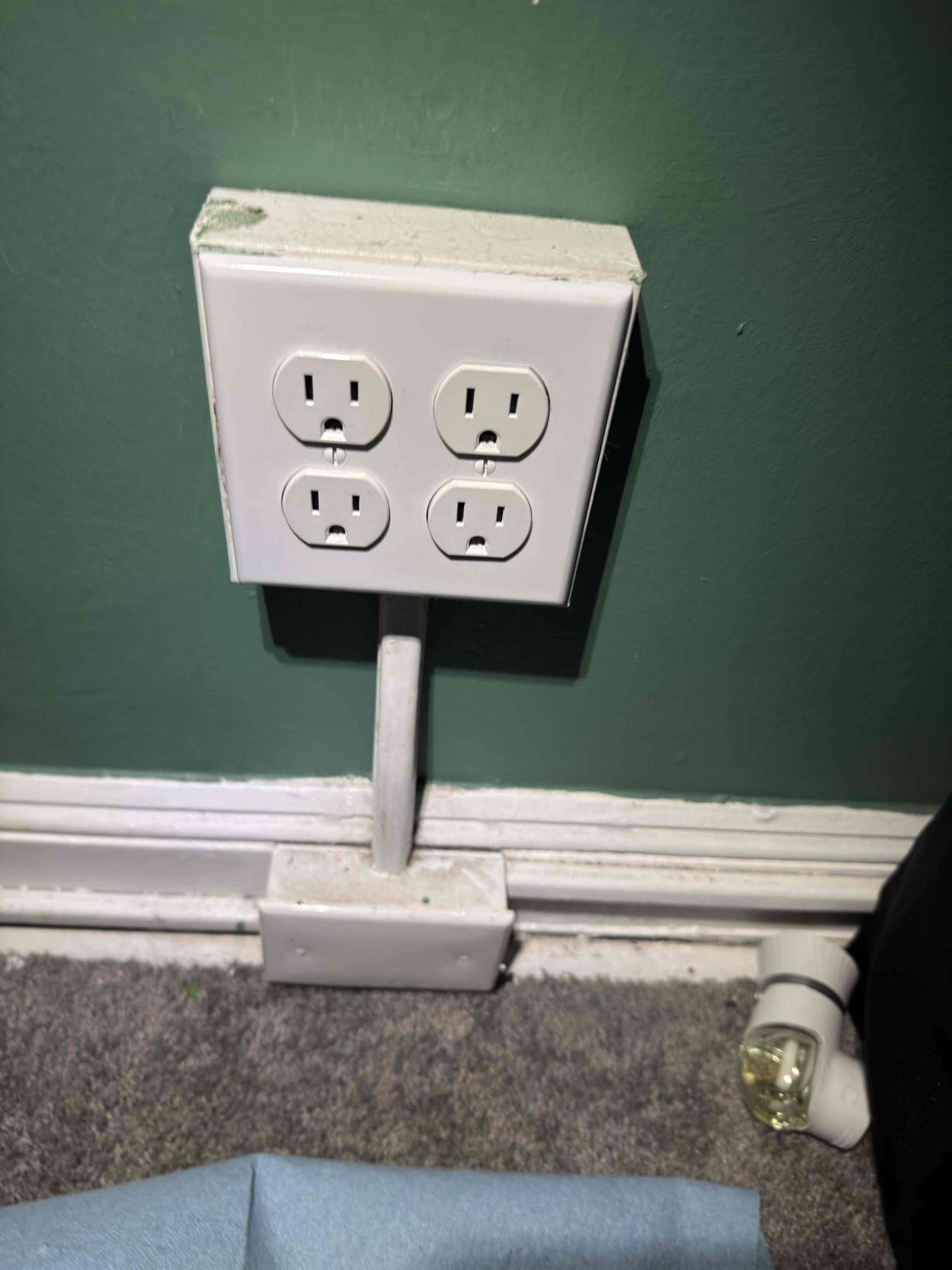
Three-prong receptacles are designed to accommodate plugs with a grounding pin. That pin provides an equipment grounding connection when the receptacle is correctly installed and connected to a functioning grounding path.
However, the appearance of an outlet does not establish whether it is actually grounded.
In some older homes, three-prong receptacles may have been installed where the original wiring did not provide an equipment grounding conductor. A receptacle can look modern while still having an underlying wiring problem.
Never assume that replacing a two-prong outlet with a three-prong model automatically makes the circuit grounded.
If your home has older receptacles or you are unsure about the wiring, an electrician can evaluate the installation and determine whether an upgrade or another code-compliant solution is appropriate.
What Are the Warning Signs of a Grounding Problem?
Grounding deficiencies are not always obvious. An outlet may appear normal and still lack the protection expected from a properly installed electrical system.
Potential reasons to request an evaluation include:
Two-prong outlets in areas where you need modern grounded connections.
Three-prong outlets in an older home with an uncertain wiring history.
Electrical equipment that produces tingling sensations or unexpected shocks.
Previous renovations involving undocumented wiring changes.
Damaged receptacles or exposed wiring.
Concerns identified during a home inspection.
A tingling sensation or shock from an appliance should not be dismissed. Stop using the equipment and arrange for professional evaluation. If there is active sparking, smoke, or another immediate danger, keep away from the equipment and call emergency services when appropriate.
These signs do not prove that grounding is the cause. Other wiring faults or equipment defects can produce similar symptoms, so proper diagnosis matters.
Does Every Outlet in an Older Home Need to Be Replaced?
Not necessarily. The age of a home or the presence of two-prong outlets does not automatically mean the entire electrical system must be replaced.
The appropriate solution depends on the existing wiring, the condition of the installation, the intended use, and the applicable requirements.
An electrician may determine that certain outlets need attention while the rest of the wiring remains suitable. In other cases, the evaluation may reveal broader issues that warrant additional work.
Possible recommendations may include repairing wiring, installing appropriate receptacles, providing required protective devices, or making more extensive electrical improvements.
The important point is to identify the actual condition of the system before choosing a solution.
Can a GFCI Outlet Replace Grounding?
A ground-fault circuit interrupter, or GFCI, is a protective device designed to reduce the risk of serious electric shock by detecting certain differences between the current flowing through the circuit's conductors.
GFCI protection is particularly important in locations where electrical shock risks can be elevated, such as bathrooms and other areas specified by the applicable electrical code.
However, GFCI protection and equipment grounding serve different functions. A GFCI does not create an equipment grounding conductor where none exists.
In certain circumstances, applicable electrical requirements may permit GFCI protection as part of a compliant solution for an existing ungrounded receptacle. Such installations have specific requirements, including labeling where applicable.
Whether that approach is suitable depends on the circumstances. Have an electrician evaluate the wiring and determine the appropriate protection rather than assuming that installing a GFCI solves every grounding problem.
Why Grounding Matters During Home Renovations
Electrical work performed during a renovation can reveal issues that have remained hidden for years. Opening walls, moving receptacles, adding circuits, or installing new appliances creates an opportunity to evaluate existing wiring and connections.
If you are renovating an older home in Cherry Hill, Moorestown, Mount Laurel, Princeton, or another community in Thomas Edison Electric's New Jersey service area, discuss grounding as part of the electrical planning process.
An electrician can assess whether existing circuits provide the necessary protection and whether proposed changes require additional work.
New Jersey's construction and electrical requirements depend on the project and the applicable code. Permit and inspection requirements should be confirmed before work begins.
Addressing grounding concerns during a planned renovation may also help avoid having to reopen finished walls to complete necessary corrections later.
Should You Test Your Own Electrical Grounding?
Homeowners may encounter inexpensive outlet testers that indicate certain wiring conditions. These tools can provide limited information, but they do not identify every possible wiring defect or establish that an electrical system is safe.
A tester's reading should not be treated as a substitute for a professional evaluation, especially in an older home or when symptoms suggest a possible fault.
Do not remove outlet covers, touch exposed wiring, or attempt to install a grounding connection yourself. Electrical work requires an understanding of the existing circuit and the applicable installation requirements.
A qualified electrician can inspect the relevant components, perform appropriate testing, and explain any deficiencies found.
Keep Your Home's Electrical System Properly Evaluated
Grounding is one component of a broader electrical safety system. It works together with properly installed wiring, receptacles, circuit breakers, and other protective devices to help reduce electrical hazards.
If you live in an older home, have questions about two-prong outlets, or are planning electrical renovations, it is worth understanding the condition of your existing system before making changes.
Thomas Edison Electric provides residential electrical services for New Jersey homeowners, including electrical troubleshooting, repairs, and inspections. Contact Thomas Edison Electric to discuss your home's electrical grounding and determine whether an evaluation is appropriate.
Understanding your wiring is a practical first step toward making informed decisions about electrical safety and keeping your home equipped for everyday use.
Ready when you are
Book online in a couple of minutes, or call and speak to someone now. We answer 24/7.
Found this helpful?
Pass it along to a neighbor, tenant, or friend who could use it.