
Electrical outlets are easy to overlook until one stops working or needs to be replaced. But some receptacles in your home serve an especially important safety function. Ground-fault circuit interrupter outlets, commonly called GFCI outlets, help protect people from potentially dangerous electrical shocks.
These outlets are commonly found in areas where electricity and moisture may come into contact, including kitchens, bathrooms, garages, and outdoor spaces. Understanding how GFCI protection works can help Pennsylvania homeowners recognize problems and know when to call an electrician.
What Is a GFCI Outlet?
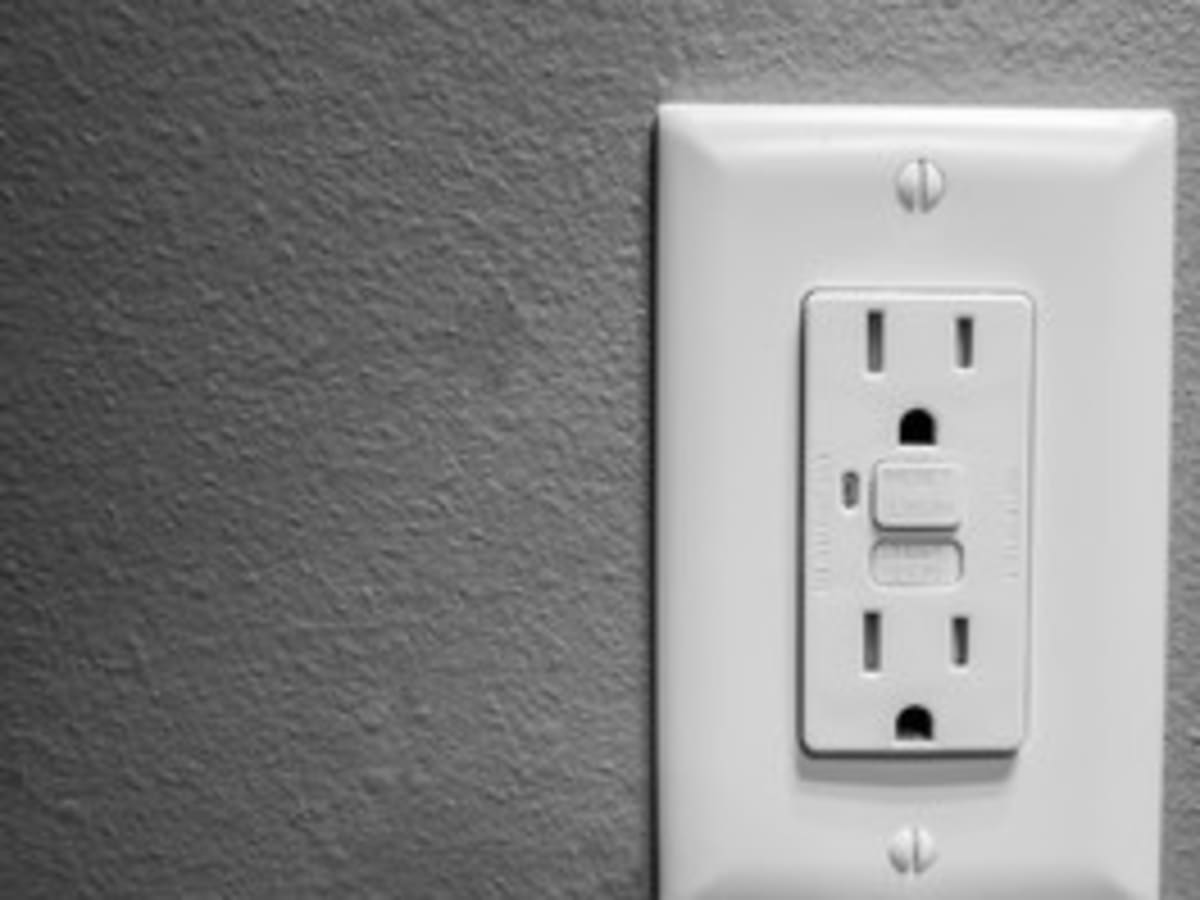
A GFCI outlet monitors the flow of electricity through a circuit. If it detects a difference that may indicate current is taking an unintended path, it can quickly interrupt power.
This protection is designed to reduce the risk of serious electric shock. It is particularly valuable in locations where contact with water or damp surfaces can increase the danger of electrical faults.
GFCI protection does not eliminate every electrical hazard, and it does not replace properly installed wiring, grounding, or circuit protection. It is one part of a home's overall electrical safety system.
Where Are GFCI Outlets Commonly Used?
GFCI protection is required in various locations under applicable electrical codes. The exact requirements depend on the installation and the code provisions in effect.
Kitchens: Receptacles serving countertop areas may require GFCI protection because spills and wet hands can increase shock risks.
Bathrooms: GFCI protection is an important safeguard around sinks and other bathroom areas where water is present.
Garages and unfinished spaces: Receptacles in garages, basements, and similar locations may require protection depending on their location and use.
Outdoor areas: Exterior receptacles are exposed to rain, moisture, and changing weather conditions, making appropriate protection especially important.
Laundry and utility areas: Certain receptacles in laundry rooms and other utility spaces may also require GFCI protection.
If you are unsure whether your home's outlets meet current requirements, an electrician can assess the installation and explain which improvements may be appropriate.
Why Does My GFCI Outlet Keep Tripping?
A GFCI outlet that repeatedly trips may be responding to a genuine electrical problem. Possible causes include moisture entering a receptacle, a damaged appliance or cord, a wiring issue, or a fault elsewhere in the protected circuit.
Unplug connected devices if it is safe to do so, then follow the manufacturer's instructions for resetting the outlet. If it trips again, stop using the affected equipment and arrange for professional troubleshooting.
Never bypass GFCI protection or replace the outlet with an unprotected receptacle simply because it keeps interrupting power. The tripping may be an important warning that something needs attention.
What If a GFCI Outlet Will Not Reset?
An outlet that will not reset may have no power reaching it, may be responding to a persistent fault, or may have a defective mechanism. Some GFCI receptacles also have self-testing features that affect their operation.
If the outlet will not reset after you have checked the appropriate breaker and followed the manufacturer's instructions, avoid repeatedly forcing it to reset.
An electrician can determine whether the problem involves the receptacle itself, another device on the circuit, the wiring, or the electrical supply.
Do GFCI Outlets Need to Be Replaced?
GFCI receptacles should be tested and maintained according to the manufacturer's instructions. Many models include test and reset buttons, while newer devices may incorporate automatic testing features.
If a receptacle fails its prescribed test, is visibly damaged, becomes unusually warm, or behaves inconsistently, have it evaluated. Age alone does not establish that a particular outlet has failed, but damaged or malfunctioning protection should not be ignored.
A replacement must be suitable for the location and installed correctly. The presence of a GFCI outlet does not automatically mean that every aspect of the circuit complies with applicable requirements.
Can You Install a GFCI Outlet Yourself?
Some homeowners consider outlet replacement a simple DIY project. However, correct installation requires identifying the circuit conductors and understanding the difference between line and load connections, as well as any grounding and labeling requirements.
Incorrect wiring can leave an outlet without the expected protection or affect other receptacles downstream. Electrical work may also be subject to applicable permit requirements.
If you are unfamiliar with residential wiring, or if the existing installation is unusual or outdated, contact a qualified electrician rather than guessing at the connections.
GFCI Protection for Pennsylvania Homes
Whether you live in an older home or a recently renovated property, it is worth confirming that outlets in moisture-prone areas have appropriate protection.
During a renovation, an electrician can evaluate receptacle locations, wiring, and protective devices before new finishes are installed. For existing homes, an electrical evaluation can help identify damaged outlets, missing protection, and other concerns.
Requirements vary by installation and the applicable code. Confirm any proposed changes with your electrician and local permitting authority.
Get Help With GFCI Outlets
GFCI outlets provide an important layer of electrical protection, but they need to be installed correctly and operate as intended. Repeated tripping, failure to reset, or visible damage are reasons to seek professional help.
Thomas Edison Electric provides residential electrical services for homeowners in Pennsylvania, including electrical troubleshooting and repairs. If a GFCI outlet is not working properly or you have questions about outlet protection in your home, contact Thomas Edison Electric to discuss the next steps.
Taking electrical warning signs seriously can help you maintain a safer, more reliable home.
Ready when you are
Book online in a couple of minutes, or call and speak to someone now. We answer 24/7.
Found this helpful?
Pass it along to a neighbor, tenant, or friend who could use it.