
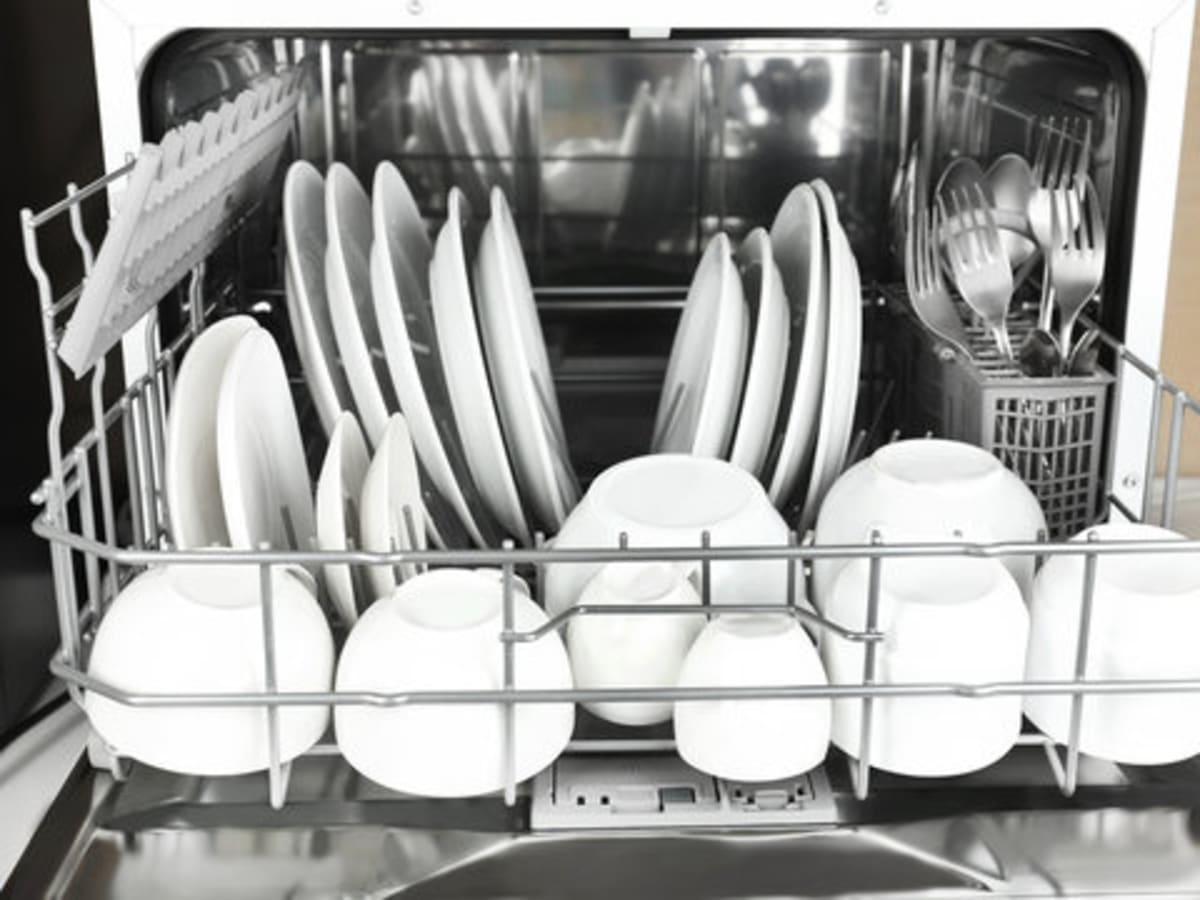
A dishwasher is one of the most convenient appliances in a modern kitchen, but replacing or installing one involves more than choosing a model that fits beneath the countertop. The appliance also needs an appropriate electrical connection.
For Pennsylvania homeowners, understanding the electrical side of dishwasher installation can make a replacement or kitchen renovation easier to plan. The exact requirements depend on the appliance, its installation instructions, the existing wiring, and applicable local requirements.
Check the Dishwasher Manufacturer's Electrical Requirements
The first step is to review the installation manual for the specific dishwasher you plan to purchase. Different models may have different electrical specifications and connection methods.
The manual will identify the appliance's voltage, electrical rating, grounding requirements, and permitted connection options. It may also specify whether the dishwasher is designed to connect through a power cord and receptacle or through a hardwired connection.
Do not assume that the electrical requirements of your old dishwasher automatically apply to a new one. Even appliances that look similar can have different installation instructions.
If you are purchasing a dishwasher before arranging installation, review these details in advance. It can help identify whether the existing electrical setup is suitable or whether additional work may be needed.
Does a Dishwasher Need Its Own Circuit?
Many dishwasher installation instructions specify a dedicated branch circuit, but homeowners should not assume that every model or existing installation has identical requirements.
A dedicated circuit supplies power to a particular appliance rather than sharing that circuit with other outlets or equipment. Whether one is required depends on the appliance instructions and applicable electrical requirements.
A qualified electrician can evaluate the existing circuit, including its capacity, wiring, breaker, and other connected loads. This is particularly important in older kitchens, where electrical systems may have been installed before the current appliance layout was planned.
If you are remodeling a kitchen or adding a dishwasher where one did not previously exist, it is a good time to discuss the electrical layout before cabinets and countertops are finalized.
Understand the Available Connection Options
Dishwashers may use a cord-and-plug connection or a hardwired electrical connection, depending on the appliance design and installation instructions.
With a cord-and-plug arrangement, the dishwasher connects to a suitable receptacle. The receptacle must be located and installed in a way that complies with the appliance instructions and applicable requirements. It should also remain accessible as required for the installation.
A hardwired dishwasher connects directly to the home's electrical wiring through an approved connection method. This work involves making electrical connections in accordance with the manufacturer's instructions and applicable safety requirements.
Homeowners should not improvise a connection method or modify the appliance cord or wiring to make it fit an existing setup. If the available connection does not match the new dishwasher's requirements, have an electrician determine the appropriate solution.
Grounding and Electrical Protection Matter
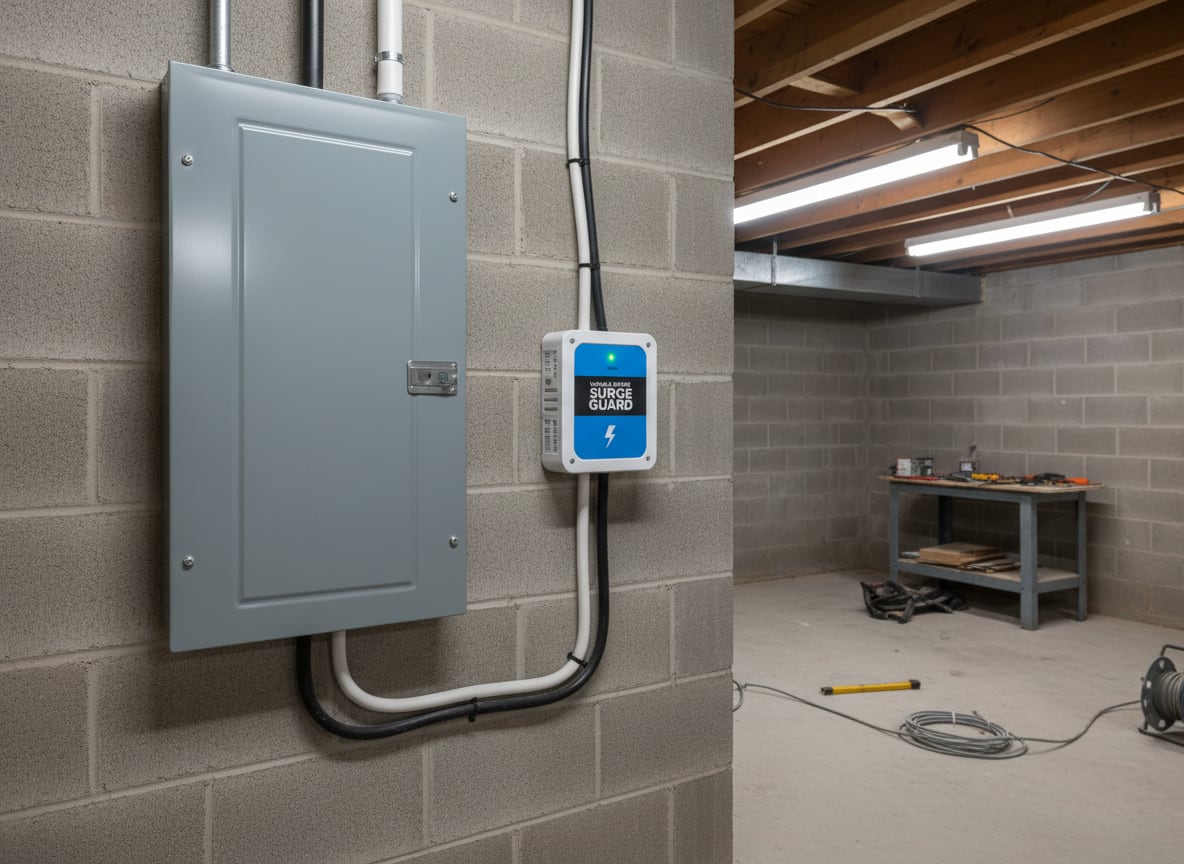
A dishwasher must be connected in a manner that provides the grounding and electrical protection required by its manufacturer and applicable codes.
Grounding is an important safety feature. It provides a path for fault current under certain conditions and helps reduce the risk of electric shock.
Depending on the installation and applicable local requirements, ground-fault or other required protection may also apply. Requirements can vary with the installation details and the rules in effect for the project.
Do not assume that an older receptacle or connection is suitable simply because it powered the previous dishwasher. An electrician can assess whether the existing arrangement meets the requirements for the new appliance.
What If There Is No Outlet Near the Dishwasher?
Not every dishwasher installation uses a visible receptacle inside the cabinet beneath the sink. Some installations use hardwired connections, while others use a receptacle positioned in an appropriate adjacent location.
If your kitchen does not have the connection specified by the new appliance's installation instructions, avoid using an extension cord or an improvised adapter as a workaround.
A qualified electrician can determine whether a new receptacle, circuit, or other wiring change is needed. The location and installation method should account for the dishwasher, nearby plumbing, cabinet layout, and accessibility.
This is especially worth considering during a kitchen renovation. Planning the electrical work before cabinetry is installed can make it easier to coordinate the dishwasher location with the rest of the kitchen.
Why Older Kitchens May Need Additional Planning
Pennsylvania homes vary widely in age and layout. In an older kitchen, the electrical system may not reflect the needs of newer appliances or a remodeled space.
Warning signs that deserve attention include loose-fitting plugs, damaged receptacles, unusual warmth, discoloration, buzzing, or repeated breaker trips. These symptoms should not be dismissed as normal appliance behavior.
If the breaker trips when the dishwasher runs, do not repeatedly reset it without investigating the cause. The issue could involve the appliance, the circuit, the wiring, or another electrical condition.
An electrician can inspect the installation and determine whether the circuit and connection are appropriate.
Leave Dishwasher Wiring to a Qualified Professional
Dishwasher installation combines electrical and plumbing work, often in a confined cabinet space. While homeowners can compare appliance specifications and plan the layout, electrical connections should be handled by someone qualified to perform the work safely.
Avoid opening electrical boxes, modifying wiring, or working inside the electrical panel yourself. Disconnecting power does not eliminate the need for proper training and installation practices.
If you are replacing a dishwasher, installing one in a new location, or renovating your kitchen, have the electrical requirements reviewed before the appliance arrives.
Plan the Electrical Work Before Installation Day
A dishwasher should fit your kitchen and have an electrical connection that meets its specific requirements. Review the manufacturer's instructions, confirm the existing setup, and address any needed electrical work before installation.
For Pennsylvania homeowners, planning ahead can help avoid delays and reduce the temptation to rely on an unsuitable connection. Thomas Edison Electric can help assess your home's electrical setup and discuss the work needed to support a new dishwasher installation.
Talk to an electrician
800.380.6800Available 24/7, including weekends.
Schedule Now- Same-day appointments
- Upfront, honest pricing
- Licensed and insured
Found this helpful?