
Extension cords can be helpful when an outlet is not conveniently located. New Jersey homeowners may use them for seasonal decorations, outdoor projects, temporary equipment, or occasional household needs. But an extension cord is not a replacement for permanent household wiring.
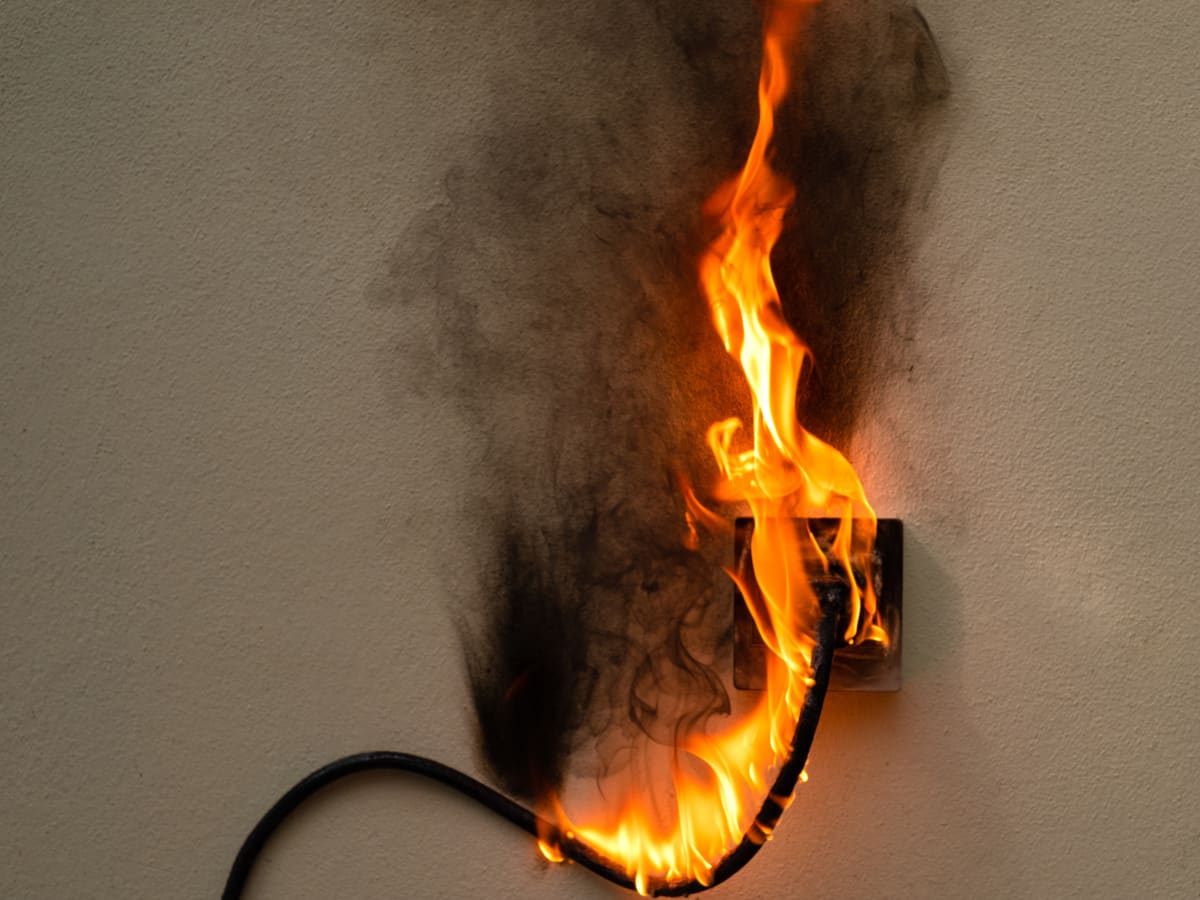
Using the wrong cord, connecting too many devices, or leaving a cord in place indefinitely can create electrical and fire hazards. Understanding the basics of extension cord safety can help you make better decisions about when and how to use one.
Use Extension Cords as Temporary Solutions
Extension cords are designed to provide temporary power when needed. They are not intended to serve as permanent wiring for appliances, electronics, or equipment used every day.
If you regularly run a cord across a room because there is no outlet nearby, consider whether the space needs an additional receptacle. A qualified electrician can evaluate the existing wiring and determine whether adding an outlet is appropriate.
This is particularly important in areas where equipment is used frequently, such as home offices, workshops, garages, and outdoor living spaces. A permanent electrical solution can reduce the need for cords running through walkways or around furniture.
Choose the Right Cord for the Job
Not all extension cords are interchangeable. Before using one, check its rating and confirm that it is suitable for the device or equipment you intend to connect.
The cord should be rated to handle the electrical load of the connected equipment. Its length and wire gauge also matter. Longer cords and cords with smaller conductors may have different capacity limitations, so follow the product labeling and manufacturer's guidance rather than choosing based on appearance alone.
Indoor and outdoor extension cords are also different. Outdoor-rated cords are designed for the conditions associated with outdoor use. Never assume an indoor cord is suitable for a porch, yard, driveway, or other exposed location.
Look for products tested by a nationally recognized testing laboratory, and avoid cords with missing labels or unclear specifications.
Inspect Cords Before Each Use
A cord can become damaged through storage, repeated use, or accidental contact with furniture, tools, and other objects. Before plugging it in, inspect the entire length.
Look for:
Cracked or split insulation
Exposed wires
Bent, broken, or damaged plugs
Loose connections
Discoloration or signs of overheating
Damaged receptacle ends
Do not use a cord that is frayed, damaged, or unusually warm. Replacing a damaged cord is safer than attempting a makeshift repair.
Also make sure plugs fit securely. A loose connection can create heat and may increase the risk of electrical problems.
Keep Cords Away from Water and Weather Hazards
Outdoor extension cords require additional care, particularly during New Jersey's changing seasons. Rain, snow, ice, and standing water can create dangerous conditions when electrical equipment is not designed for exposure.
Use only cords specifically marked for outdoor use, and follow the manufacturer's instructions about where and how they can be used. Keep connections away from standing water and avoid placing cords where snow or ice can accumulate around them.
An outdoor-rated cord is not permission to leave electrical connections submerged or exposed to conditions beyond the product's rating. If a cord or connection becomes wet or damaged, stop using it. Do not handle electrical connections while standing in water or when your hands are wet.
For recurring outdoor power needs, properly installed outdoor receptacles may be a more suitable solution. An electrician can help determine what type of installation is appropriate for the location.
Never Hide or Pinch an Extension Cord
It may be tempting to run an extension cord beneath a rug, behind a heavy piece of furniture, or through a doorway to keep it out of sight. These arrangements can create hazards.
A cord covered by carpeting or rugs may not release heat effectively. Furniture, doors, and windows can pinch or damage the insulation. Running cords through walls, ceilings, or floors is also not an appropriate substitute for permanent wiring.
Keep cords visible and positioned where they will not be stepped on, crushed, or pulled. Avoid placing them across busy walkways, where someone could trip or accidentally disconnect equipment.
Do not nail or staple extension cords to walls or baseboards. Fasteners can damage the insulation and create a shock or fire risk.
Avoid Overloading Cords
An extension cord has a specific electrical rating. Connecting equipment that exceeds that rating can cause the cord to overheat.
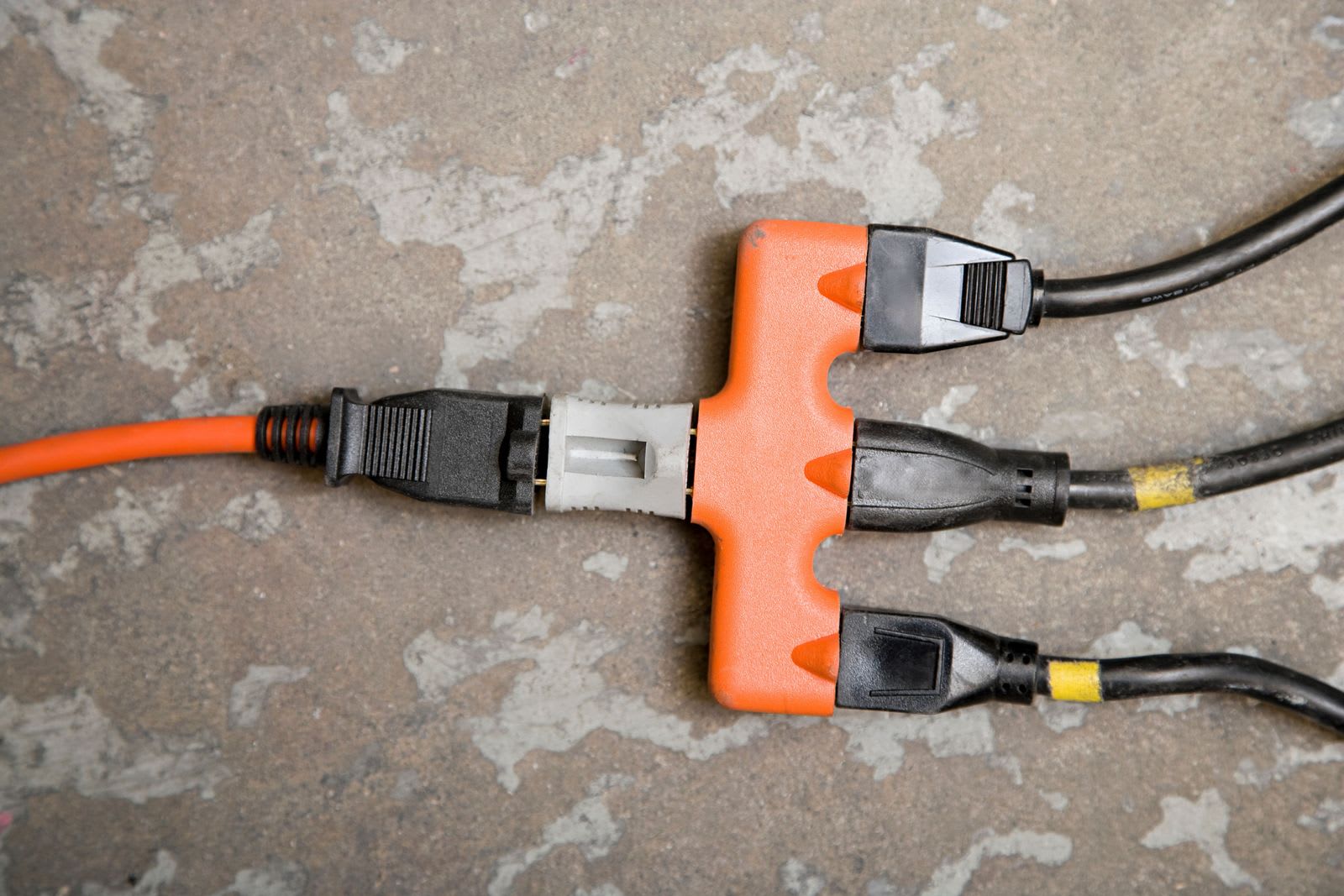
Check the power requirements of the device and compare them with the cord's rating. Do not connect multiple extension cords together to reach a distant outlet, and do not use a multi-outlet adapter to create an arrangement that exceeds the cord's capacity.
Be especially cautious with appliances that generate heat or draw substantial power. Follow the appliance manufacturer's instructions, and do not use an extension cord when the appliance instructions prohibit it. Space heaters, for example, should not be operated through extension cords or power strips.
If you need to power equipment regularly, ask an electrician about a more appropriate electrical arrangement.
Recognize When an Extension Cord Is Hiding a Bigger Problem
Frequent extension cord use can be a sign that your home's outlets are not located where you need them. It may also indicate that a room's electrical setup has not kept pace with changes in how the space is used.
A finished basement, garage workshop, home office, or outdoor entertainment area may need a more practical outlet layout. Adding receptacles requires consideration of the existing wiring and circuit capacity, not just the desired outlet locations.
If you notice frequently tripping breakers, flickering lights, warm outlets, burning odors, or unusual buzzing, stop relying on extension cords to work around the issue. Have the electrical system evaluated by a qualified professional.
Use Extension Cords With Care
Extension cords are convenient when used correctly, but they should remain temporary solutions. Choose the right cord, inspect it before use, keep it away from moisture and physical damage, and never exceed its rating.
If you find yourself depending on extension cords throughout your New Jersey home, consider whether additional outlets or other electrical improvements could make the space safer and more convenient. Thomas Edison Electric can help you evaluate your electrical needs and discuss appropriate options.
Talk to an electrician
800.380.6800Available 24/7, including weekends.
Schedule Now- Same-day appointments
- Upfront, honest pricing
- Licensed and insured
Found this helpful?