
Outdoor electrical systems make it easier to enjoy and maintain your property. Exterior outlets power everything from holiday decorations and landscaping equipment to outdoor kitchens and entertainment areas. Lighting improves visibility around walkways, entrances, patios, and driveways.
However, outdoor electrical equipment faces conditions that indoor systems do not. Rain, snow, ice, humidity, temperature changes, and landscaping activities can all affect electrical components.
For New Jersey homeowners, outdoor electrical safety deserves attention throughout the year. Understanding how exterior outlets, lighting, and protective devices should be installed and maintained can help reduce risks around your property.
Why Outdoor Electrical Safety Matters
Outdoor electrical equipment is exposed to moisture and environmental conditions that can damage components or create hazardous situations.
Even equipment designed for exterior use needs to be installed correctly and maintained appropriately.
Moisture and Electrical Hazards
Water can create a path for electricity to travel where it should not. This increases the risk of electric shock, particularly when people are using electrical equipment outdoors.
Rain, irrigation systems, standing water, and damp surfaces can all affect outdoor electrical safety.
Seasonal Weather Conditions
New Jersey weather creates a range of challenges for exterior electrical systems.
Winter snow and ice can damage fixtures and expose wiring. Spring and summer storms may bring heavy rain and lightning. Fall leaves and landscaping debris can also affect outdoor equipment.
Inspecting exterior electrical components periodically can help identify problems before they become more serious.
Outdoor Electrical Outlets: What Homeowners Should Know
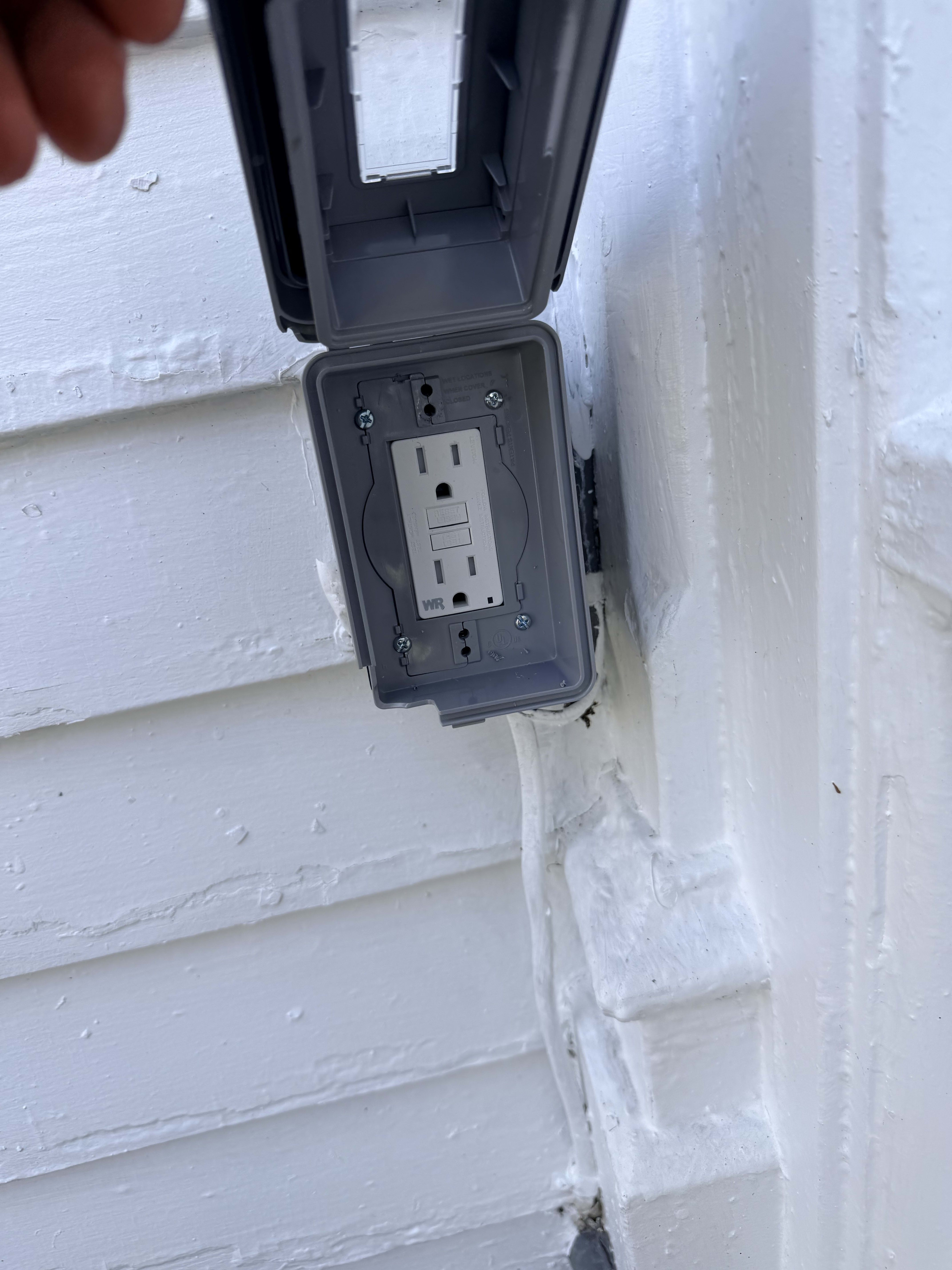
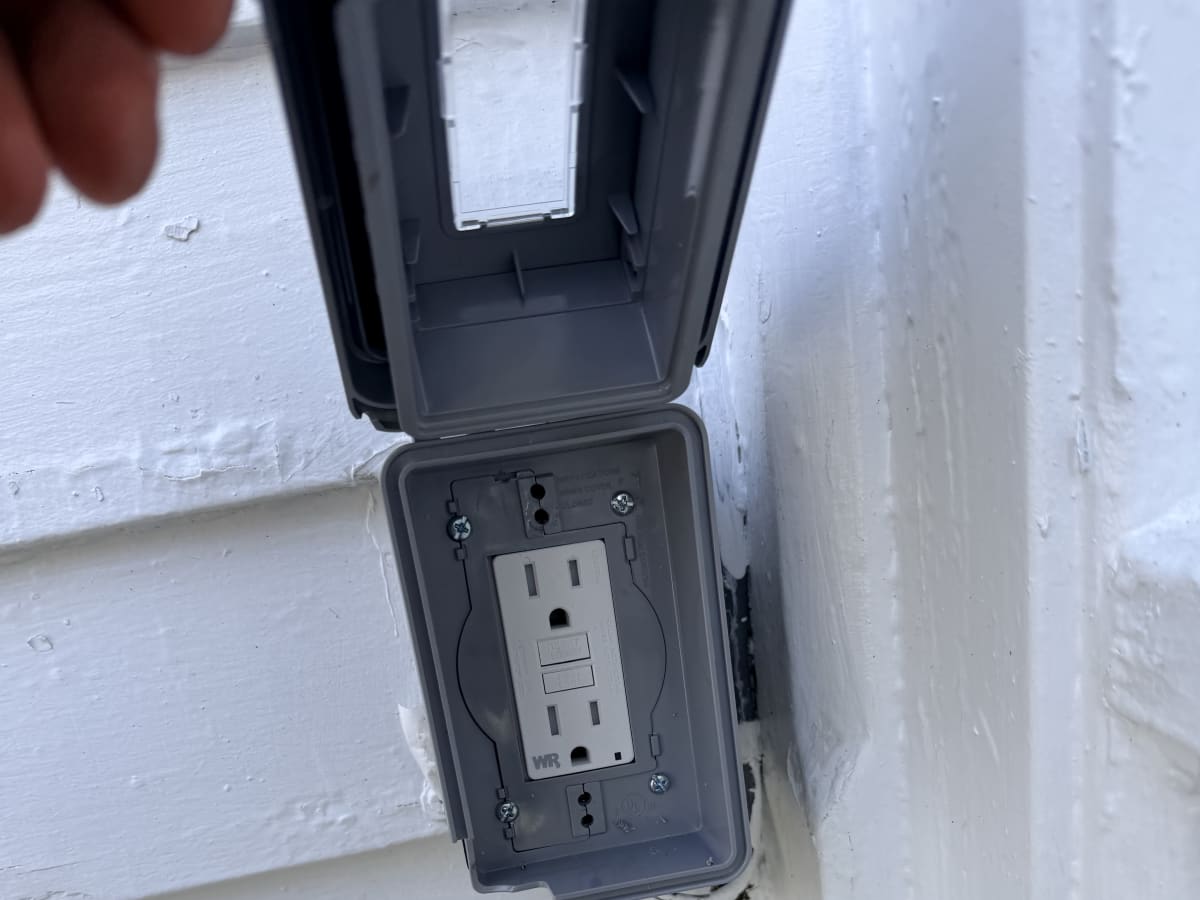
Exterior receptacles provide convenient access to electricity for outdoor activities, but they need appropriate protection against environmental conditions.
GFCI Protection
Ground-fault circuit interrupter protection is an important part of outdoor electrical safety.
GFCI devices monitor electrical current and interrupt power when they detect a ground fault, helping reduce the risk of electric shock.
Outdoor receptacles are generally required to have GFCI protection under current electrical code requirements.
If you have older exterior outlets, an electrician can determine whether their protection and installation meet current requirements.
Weather-Resistant Receptacles
Outdoor receptacles need to be suitable for their location.
Weather-resistant receptacles are designed to withstand exposure to moisture and environmental conditions when installed correctly.
The appropriate receptacle depends on where it is located and the type of protection required.
Weatherproof Outlet Covers
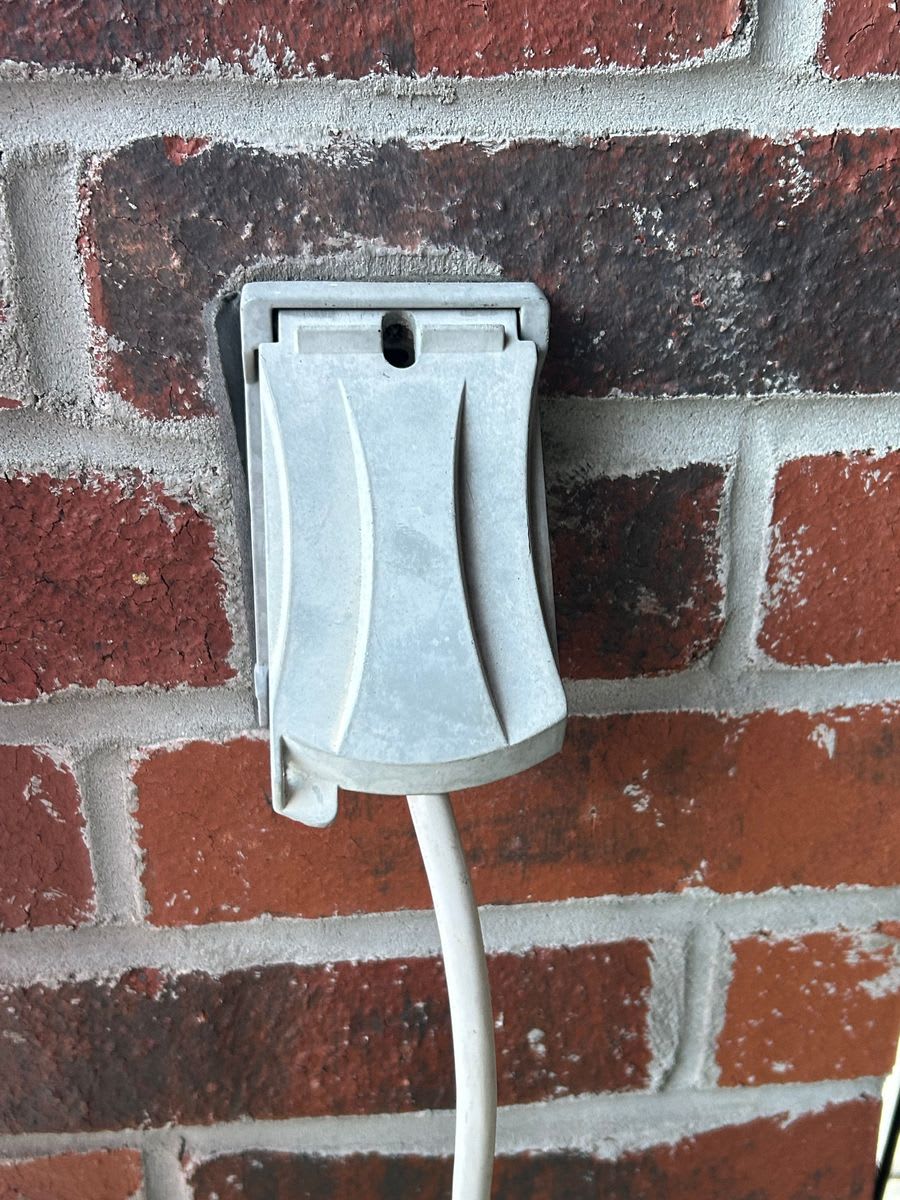
The cover protecting an outdoor receptacle is just as important as the receptacle itself.
Outdoor covers are designed to protect electrical connections from moisture and other environmental exposure.
Some covers are designed to provide protection while a plug remains connected. This can be especially important for receptacles used with outdoor equipment.
An electrician can determine which cover is appropriate for the location and installation.
Outdoor Electrical Lighting and Safety
Exterior lighting can improve visibility and help make outdoor spaces easier to use after dark.
However, outdoor fixtures must be suitable for their installation environment.
Entryway and Porch Lighting
Lighting near front doors, back doors, and other entrances can help people see steps, locks, and other potential obstacles.
Choose fixtures designed for the level of exposure at the installation location.
Walkway and Driveway Lighting
Pathway and driveway lighting can help illuminate areas where people walk or park vehicles.
Consider the layout of the property and whether fixtures could be exposed to landscaping equipment, vehicles, or other sources of physical damage.
Patio and Deck Lighting
Patios and decks often include several types of lighting, including wall-mounted fixtures, overhead lights, and decorative options.
If you are adding lighting during an outdoor renovation, plan the wiring and controls before construction begins.
Motion-Activated Lighting
Motion-activated fixtures can provide illumination when someone approaches a door, walkway, or other area.
They may also help reduce the amount of time outdoor lighting remains on unnecessarily.
The appropriate fixture and installation depend on the location and the homeowner's goals.
Outdoor Extension Cords and Electrical Equipment
Outdoor extension cords can be useful for temporary activities, but they must be suitable for exterior use.
Use Cords Rated for Outdoor Use
Indoor extension cords are not designed for the same environmental conditions as outdoor-rated cords.
Check the manufacturer's markings and instructions before using a cord outside.
Inspect Cords Before Use
Look for damaged insulation, exposed wires, bent prongs, or other signs of wear.
Do not use a damaged cord, and avoid placing cords where they can be pinched, driven over, or exposed to standing water.
Avoid Overloading Cords and Receptacles
Check the electrical requirements of the equipment you plan to connect.
Do not connect multiple extension cords together or use a cord with equipment that exceeds its rating.
For regular outdoor power needs, a properly installed exterior receptacle may be more appropriate than relying on extension cords.
Protect Outdoor Electrical Systems From Water
Moisture protection involves more than choosing weather-resistant equipment.
The entire installation needs to be appropriate for the environment.
Keep Electrical Connections Protected
Outdoor receptacles, junction boxes, and other electrical components need suitable enclosures and installation methods.
Do not leave electrical connections exposed to rain or standing water.
Pay Attention to Landscaping and Irrigation
Sprinklers and irrigation systems can expose outdoor electrical components to repeated moisture.
Make sure receptacles, fixtures, and other equipment are positioned and protected appropriately.
Also be careful when using lawn mowers, trimmers, and other landscaping tools near exterior wiring.
Check for Water Damage
If an outdoor outlet or electrical component has been submerged, exposed to significant water intrusion, or visibly damaged, do not use it until it has been evaluated.
Water exposure can damage electrical equipment even when it appears to work afterward.
Outdoor Electrical Safety During Storms
Storms can create additional hazards for homeowners using outdoor electrical equipment.
Unplug Temporary Equipment When Appropriate
If severe weather is approaching, disconnect temporary outdoor equipment when it is safe to do so.
Do not handle electrical connections while standing in water or during dangerous weather conditions.
Stay Away From Downed Power Lines
Never approach or touch a downed electrical line.
Assume any downed line is energized. Keep people and pets away and contact the utility company or emergency services as appropriate.
Avoid Using Electrical Equipment in Wet Conditions
Power tools, extension cords, and other electrical equipment should only be used according to their manufacturer's instructions and applicable safety requirements.
If conditions are wet or unsafe, postpone the work.
Outdoor Electrical Features Worth Planning
If you are updating your backyard or exterior living space, consider whether your electrical system can support the features you want.
Outdoor Kitchens
An outdoor kitchen may include refrigerators, lighting, cooking equipment, and other electrical components.
These installations require planning around the equipment's electrical specifications, weather exposure, and applicable code requirements.
Pools and Spas
Pools, spas, and other water-related installations have specialized electrical safety requirements.
Electrical equipment, bonding, grounding, receptacles, and clearances must be designed for the specific installation.
Because these environments involve water and electricity, work should be handled by an electrician familiar with the applicable requirements.
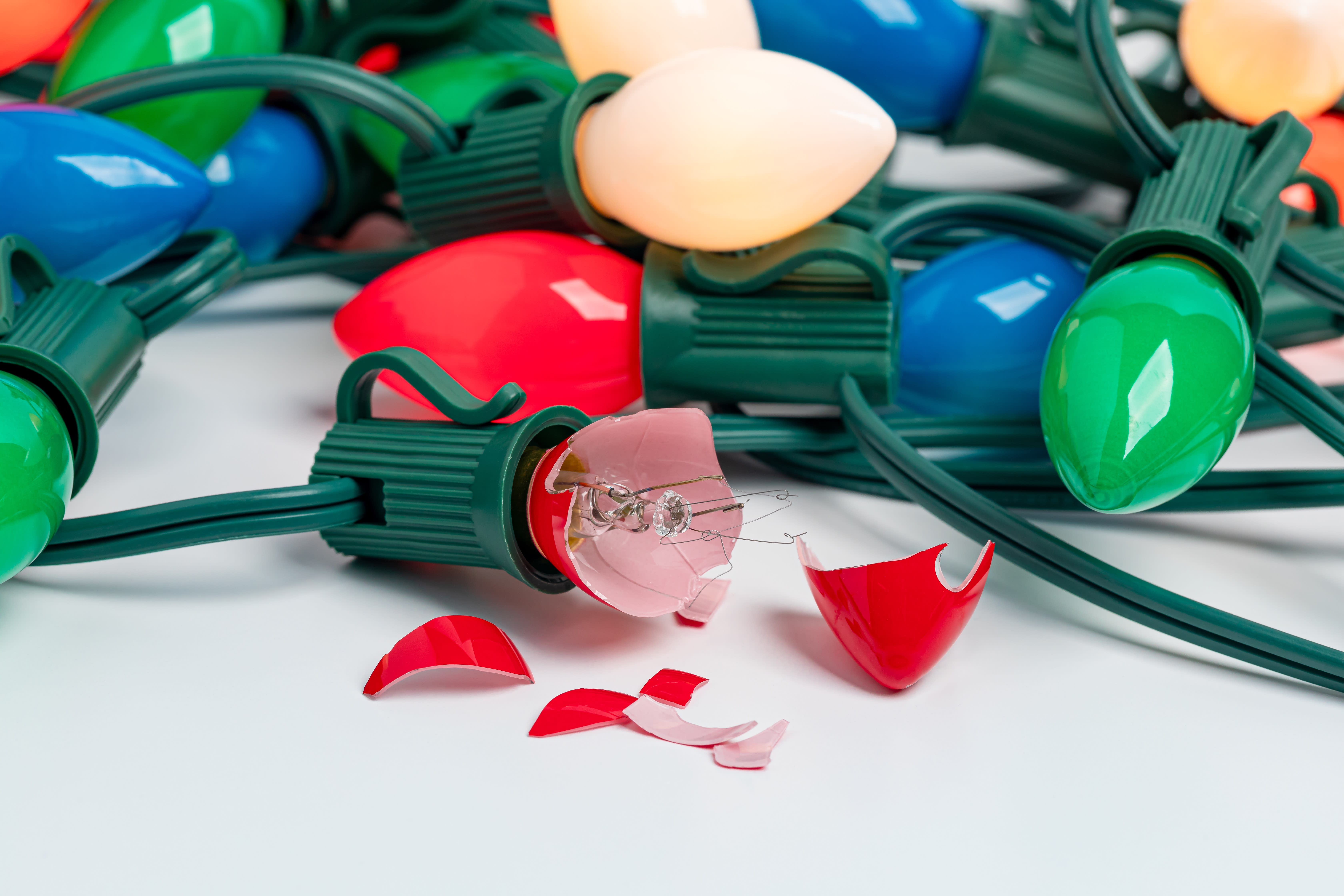
Holiday and Decorative Lighting
Outdoor holiday decorations can increase the number of devices connected to exterior receptacles.
Use products rated for outdoor use, follow manufacturer instructions, and avoid connecting more equipment than the circuit or device is designed to support.
If you need additional exterior receptacles, consider having them installed before the holiday season.
Common Outdoor Electrical Safety Mistakes
Using Indoor Equipment Outside
Indoor-rated cords, fixtures, and other equipment may not be suitable for exterior exposure.
Always check the product's intended use and installation requirements.
Ignoring Damaged Outlet Covers
A cracked or missing weatherproof cover can expose electrical components to moisture.
Replace damaged covers with appropriate products, and have the receptacle inspected if there are signs of water intrusion or deterioration.
Using Extension Cords as Permanent Wiring
Extension cords should not be treated as a permanent substitute for exterior receptacles.
If you regularly need power in a particular outdoor location, discuss installing a properly protected outlet with an electrician.
Overlooking Seasonal Inspections
Outdoor electrical components can deteriorate over time. Periodically check accessible fixtures, covers, cords, and receptacles for visible damage.
Do not open electrical equipment or attempt repairs unless you are qualified to do so.
When to Call an Electrician for Outdoor Electrical Work
Outdoor electrical installations need to account for weather exposure, protective devices, wiring methods, and applicable code requirements.
Contact an electrician if you need to:
Install a new outdoor receptacle
Replace damaged exterior outlets
Add patio, deck, or landscape lighting
Install a dedicated circuit for outdoor equipment
Upgrade older exterior electrical components
Add electrical service for an outdoor kitchen
Address repeated GFCI trips
Evaluate wiring that has been exposed to water
A professional can determine which equipment and installation methods are appropriate for your property.
Make Outdoor Electrical Safety Part of Home Maintenance
Outdoor electrical outlets and lighting make a property more functional, but they need to be properly installed and maintained to withstand the elements.
Using appropriate weather-resistant equipment, maintaining GFCI protection, inspecting visible components, and addressing damage promptly can help reduce electrical hazards around your home.
Thomas Edison Electric provides electrical services for homeowners throughout South and Central New Jersey, including Burlington, Camden, and Mercer Counties.
If you are planning outdoor electrical improvements or have concerns about existing exterior outlets or lighting, contact Thomas Edison Electric to discuss your project.
Talk to an electrician
800.380.6800Available 24/7, including weekends.
Schedule Now- Same-day appointments
- Upfront, honest pricing
- Licensed and insured
What our clients paid
$825 to $1,825
Outdoor outlet installed
From 22 of our jobs in the last 18 months. The middle half of real invoices in PA and NJ, before discounts, updated monthly. You get a written price before any work starts.
Found this helpful?