
Electrical outlets are among the most frequently used features in any home. They power everything from lamps and televisions to phone chargers, kitchen appliances, and computers.
However, standard electrical receptacles can also present a safety concern for households with young children. Children are naturally curious, and an electrical outlet can attract attention because of its openings and accessibility. Small objects inserted into receptacle slots can create a serious risk of electrical shock or injury.
Tamper-resistant receptacles offer an additional layer of protection. They are designed to help prevent children from inserting individual objects into the electrical openings.
For New Jersey homeowners, understanding how these outlets work and where they may be useful can help inform decisions about electrical improvements.
What Are Tamper-Resistant Receptacles?
Tamper-resistant receptacles, often abbreviated as TRRs, are electrical outlets designed with built-in safety shutters. These shutters help prevent foreign objects from entering the receptacle openings.
Unlike traditional outlets, which have open slots when not in use, tamper-resistant models have an internal mechanism that restricts access. When a properly configured electrical plug is inserted, the shutters open through the simultaneous pressure of the plug's blades.
When someone attempts to insert an individual object into just one opening, the mechanism is designed to remain closed. This provides an additional safety feature without requiring homeowners to remember to install and remove separate outlet covers.
The Electrical Safety Foundation International explains that tamper-resistant receptacles use internal shutters to prevent foreign objects from being inserted into the openings.
Why Are Tamper-Resistant Outlets Important?
Young children may explore their surroundings by touching objects, picking things up, and inserting items into small openings. An electrical receptacle can be particularly dangerous because it provides access to energized electrical components. A child inserting a metal object, such as a paper clip or small toy component, into an outlet could experience a serious electrical injury.
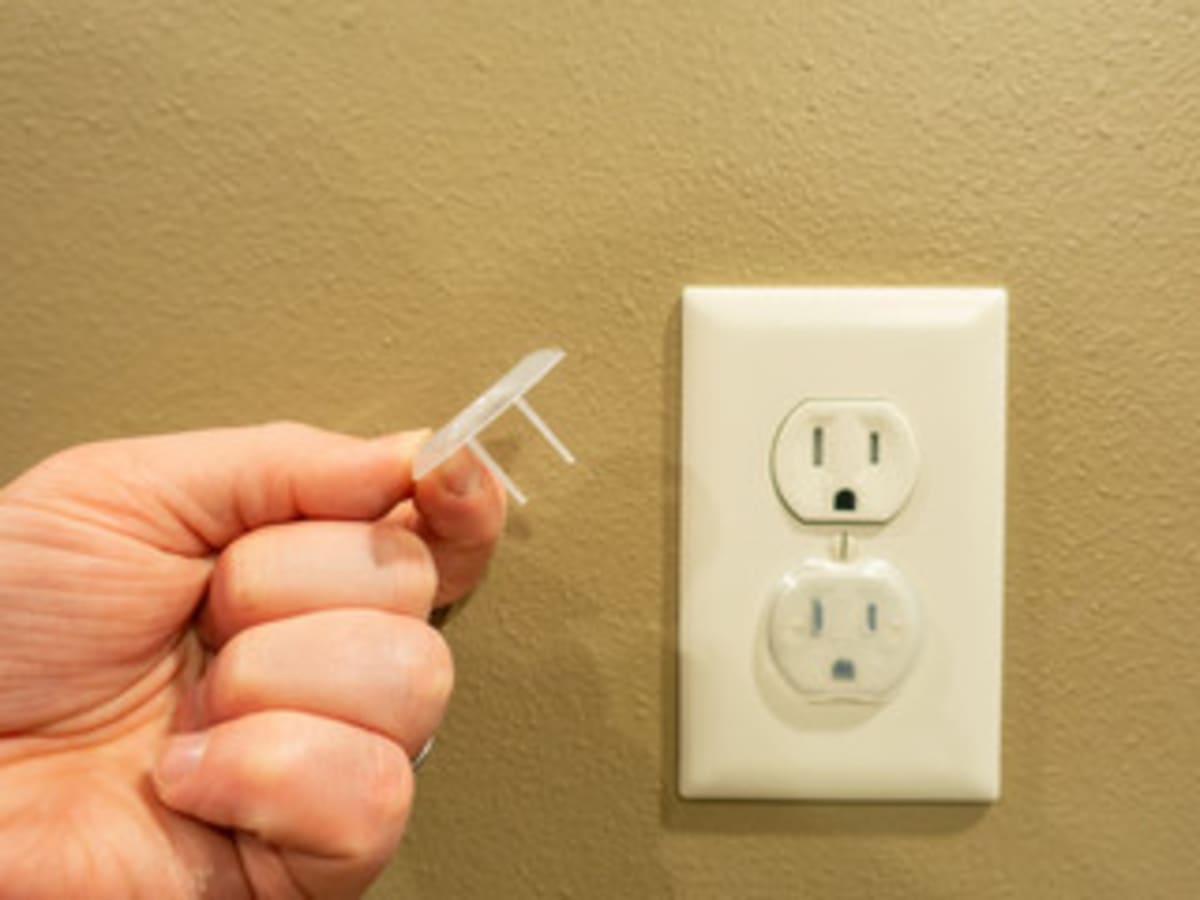
Traditional plastic outlet covers can help restrict access, but they have limitations. Some covers can be removed, misplaced, or left out after an adult uses the receptacle. Tamper-resistant receptacles provide a built-in solution that does not depend on a removable accessory. This makes them a useful consideration for families with infants, toddlers, and young children.
How Do Tamper-Resistant Outlets Work?
The internal shutter mechanism is the main difference between a tamper-resistant receptacle and a traditional model. When a standard plug is inserted correctly, both blades apply pressure to the internal mechanism, allowing the shutters to move and the plug to enter. An object inserted into only one opening does not normally activate the mechanism in the same way.
The design helps prevent access to the electrical contacts when the receptacle is not being used properly. This does not make an outlet completely childproof.
Children should still be taught to stay away from electrical outlets, and parents should continue to supervise young children around electrical equipment. Tamper-resistant receptacles are an additional protective measure, not a substitute for household safety practices.
Are Tamper-Resistant Outlets Required in New Jersey Homes?
Tamper-resistant receptacles are included in modern residential electrical safety standards. The National Electrical Code has incorporated tamper-resistant receptacle requirements for many residential applications, including new and renovated homes.
However, the requirements that apply to a particular installation depend on the adopted code edition, location, and scope of work. New Jersey adopted the 2023 National Electrical Code as its electrical subcode on August 17, 2026, according to the New Jersey Department of Community Affairs.
Homeowners should not assume that every existing receptacle in an older property must automatically be replaced because code requirements have changed. The rules governing existing installations and new electrical work are not necessarily identical.
If you are renovating a home, replacing receptacles, or adding electrical equipment, ask your electrician which requirements apply to the project.
Where Should You Consider Installing Tamper-Resistant Receptacles?
Tamper-resistant outlets can be useful throughout a home, but certain areas deserve particular attention.
Bedrooms and Playrooms
Children often spend significant time in bedrooms and playrooms.
These rooms may contain toys, small objects, electronic devices, and furniture that can make outlets accessible.
Tamper-resistant receptacles can provide an additional safety measure in areas where young children play or spend time.
Living Rooms and Family Rooms
Living rooms often contain several electrical devices, including televisions, lamps, gaming equipment, and chargers.
Outlets may be located behind furniture or near areas where children play.
Because these spaces are frequently used by the entire household, they are worth considering during an electrical safety evaluation.
Home Offices
A home office may not seem like an obvious place to prioritize child safety.
However, these rooms can contain chargers, computers, printers, and other equipment. If children have access to the space, tamper-resistant receptacles may be a useful improvement.
Hallways and Common Areas
Outlets in hallways and other shared areas can be easily overlooked.
Because they may be accessible to children moving throughout the home, these receptacles should also be considered when evaluating household electrical safety.
Are Tamper-Resistant Outlets Difficult to Use?
Some homeowners wonder whether the built-in shutters make tamper-resistant outlets harder to use. When a compatible plug is inserted properly, the receptacle should function as intended.
However, a plug with bent or damaged blades may not engage the mechanism correctly. If a plug is difficult to insert, do not force it into the outlet. Check the plug for visible damage and make sure it is being inserted straight.
If the receptacle continues to be difficult to use, have it evaluated by an electrician. A properly functioning tamper-resistant receptacle should not require excessive force or improvised techniques.
Can You Replace Existing Outlets With Tamper-Resistant Models?
In many cases, existing receptacles can be replaced with tamper-resistant models. However, the appropriate replacement depends on the existing electrical installation.
An electrician should consider the receptacle's location, wiring configuration, electrical box, and any additional protection required for that application. Some receptacles combine tamper-resistant features with other protective functions.
For example, tamper-resistant receptacles are available in models that also provide GFCI or AFCI protection. These functions serve different purposes, and the correct combination depends on the installation.
The important thing is to select a receptacle that is appropriate for the circuit and intended location. Simply purchasing a tamper-resistant outlet does not mean it is automatically suitable for every application.
Why Outlet Covers Are Not Always the Best Long-Term Solution
Removable outlet covers have been used for years as a basic childproofing measure. They can help discourage access to electrical receptacles, but they require ongoing attention. A cover must be installed correctly and remain in place when the outlet is not being used.
If an adult removes it to plug in a device and forgets to replace it, the protection is no longer present. Some covers may also be accessible to children who are old enough to remove them.
Tamper-resistant receptacles address this limitation by incorporating the protective mechanism directly into the outlet. The Electrical Safety Foundation International discusses these differences and identifies tamper-resistant receptacles as a built-in alternative to relying on removable covers.
What Else Should Parents Know About Outlet Safety?
Even with tamper-resistant receptacles, families should continue practicing basic electrical safety.
Keep electrical cords away from children's play areas when possible.
Avoid allowing children to pull on cords connected to appliances or lamps.
Do not use damaged plugs or receptacles.
Keep electrical equipment away from water and other sources of moisture.
When rearranging furniture, make sure cords are not pinched or damaged.
Parents should also avoid using loose outlet accessories that may become small objects within a child's reach.
The goal is to reduce opportunities for children to interact with electrical equipment while making sure the home's electrical installation is in good condition.
When Should You Have Your Receptacles Evaluated?
Consider contacting an electrician if:
Your home has older receptacles without built-in tamper-resistant protection.
You are planning a renovation.
Some outlets are loose or damaged.
Plugs do not fit securely.
You are unsure whether existing receptacles meet current requirements.
You want to combine tamper-resistant features with other protective devices.
A professional can review the existing installation and explain which improvements make sense.
Improve Outlet Safety With Thomas Edison Electric
Tamper-resistant receptacles are a practical safety feature for homes with young children. They offer built-in protection against certain types of accidental contact while allowing normal use of properly designed electrical plugs.
For families throughout South and Central New Jersey, they can be a worthwhile consideration during electrical renovations and receptacle replacement projects.
Thomas Edison Electric is a family-owned electrical company based in Cherry Hill, serving homeowners in Burlington, Camden, and Mercer counties.
If you're interested in upgrading your home's receptacles or reviewing your electrical safety, contact Thomas Edison Electric to discuss your options.
Talk to an electrician
800.380.6800Available 24/7, including weekends.
Schedule Now- Same-day appointments
- Upfront, honest pricing
- Licensed and insured
Found this helpful?