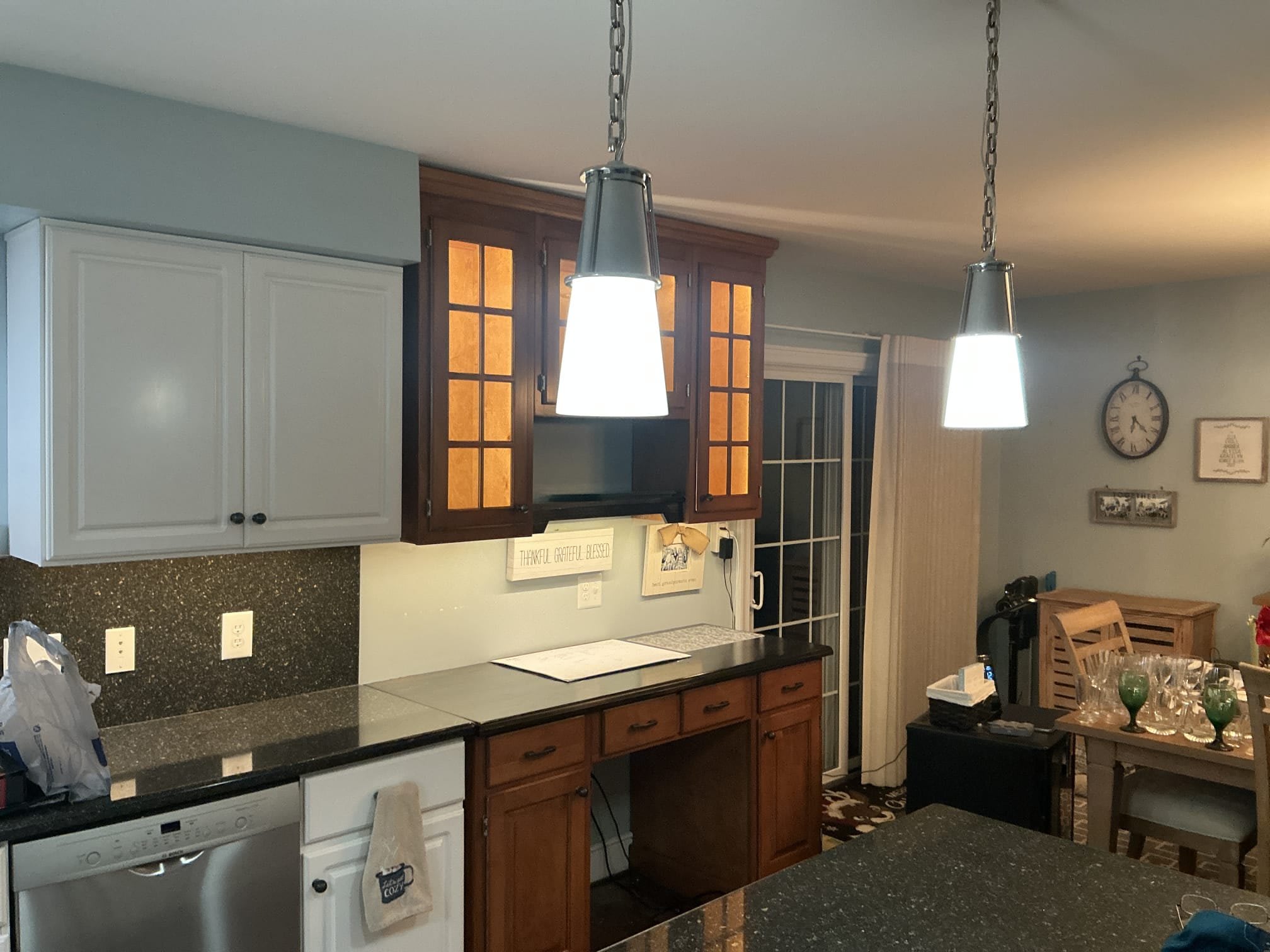


Kitchen lighting has a major effect on how a space looks and feels, but it also affects how comfortably you can use the room. Overhead fixtures provide general illumination, yet they do not always light the surfaces where you prepare meals, read recipes, or handle everyday kitchen tasks. Upper cabinets can cast shadows across countertops, leaving work areas darker than the rest of the room.
Under-cabinet lighting offers a practical way to address that problem. Installed beneath upper cabinets, these fixtures direct light onto the countertops below, making it easier to see what you are doing while adding another layer to the kitchen's overall lighting design.
For New Jersey homeowners considering a kitchen update, under-cabinet lighting can be a relatively focused improvement or part of a larger renovation. The right approach depends on the existing electrical setup, cabinet design, preferred lighting style, and whether you want a hardwired or plug-in system.
Why Consider Under-Cabinet Lighting?
Under-cabinet lighting is designed to illuminate the work surfaces that overhead fixtures may leave in shadow. Because the light is positioned close to the countertop, it can provide useful task illumination without requiring brighter overhead lighting throughout the entire room.
This type of lighting can also make the kitchen more adaptable. Instead of relying on one set of overhead fixtures for every activity, homeowners can use different lighting layers depending on whether they are preparing dinner, cleaning, entertaining, or simply moving through the kitchen in the evening.
Better Visibility for Everyday Tasks
Kitchen counters are used for many activities, from chopping vegetables and measuring ingredients to reading instructions and cleaning up. A well-positioned light source can make those tasks easier by illuminating the surface directly.
Under-cabinet fixtures are especially useful in areas where a person standing at the counter may block light from an overhead fixture. By placing the light source beneath the cabinets, the countertop can receive more direct illumination.
The difference can be particularly noticeable in kitchens with deep upper cabinets or limited natural light. Rather than increasing the brightness of the entire room, under-cabinet lighting focuses illumination where it is most useful.
A More Layered Lighting Design
Under-cabinet lighting also gives homeowners more flexibility in how the kitchen is illuminated. Rather than relying entirely on overhead fixtures, you can use separate lighting layers for general illumination, task work, and atmosphere.
For example, overhead lights can be used when cleaning or preparing a meal, while under-cabinet lights can provide a softer level of illumination in the evening. If the system includes appropriate controls, homeowners may be able to use different lighting combinations depending on the time of day and activity.
A Finished, Custom Look
Lighting beneath cabinets can highlight a backsplash, countertop material, or other design feature. It can also make the kitchen feel more intentional by adding illumination exactly where it is needed.
The visual result depends on fixture placement, light output, color temperature, and the materials in the room. Planning those details before installation can help avoid unwanted glare, uneven brightness, or visible hot spots.
Choosing the Right Type of Under-Cabinet Lighting
There are several ways to add lighting beneath kitchen cabinets. The best option depends on the appearance you want, the layout of the cabinets, and how the system will be powered and controlled.
LED Light Bars and Linear Fixtures
LED light bars and linear fixtures are common choices for under-cabinet applications. They provide a relatively continuous source of light along the cabinet run and are available in different lengths and styles.
Some fixtures are designed to be joined together, while others are installed as separate units. The layout should account for cabinet dimensions, corners, and gaps so the finished lighting looks consistent.
LED technology is often selected because it can provide useful illumination while using less electricity than older halogen or xenon options. Many LED fixtures also have a long rated operating life, although actual performance depends on the product and how it is installed.
LED Tape or Strip Lighting
LED tape lighting can be useful when homeowners want a low-profile installation or need to follow a cabinet layout with multiple sections. It can be installed in channels or other compatible mounting systems to create a clean, streamlined appearance.
The quality of the finished result depends on selecting a suitable product and installing it according to the manufacturer's requirements. Factors such as power supply compatibility, placement, heat management, and access to components should be considered before the system is installed.
Tape lighting may be particularly appealing for kitchens with unusual cabinet dimensions or design features where standard fixtures are difficult to position. The system should be selected as a complete, compatible arrangement rather than assembled from unrelated components.
Puck Lights
Puck lights are compact fixtures that provide focused pools of illumination. They can work well for certain cabinet layouts or when homeowners prefer a more defined lighting effect.
However, individual fixtures can create brighter spots with darker areas between them if they are spaced too far apart. Their placement should be planned around the countertop dimensions and the desired appearance.
For a more even line of light, a linear fixture or carefully planned strip system may be a better fit. The best option depends on whether you prefer a continuous wash of light or more localized illumination.
Hardwired and Plug-In Options
Under-cabinet lighting systems may be powered through plug-in connections or installed as hardwired fixtures. Each approach has different installation considerations.
Plug-in systems may be appropriate for some kitchens, depending on the product and available receptacles. However, visible cords can affect the appearance of the finished installation, and the location of the power source may limit where fixtures can be placed.
Hardwired lighting can provide a cleaner appearance because the electrical connections are integrated into the installation. It may be particularly suitable when the lighting is part of a kitchen renovation or when homeowners want a more permanent setup.
The appropriate choice depends on the fixture, the existing electrical system, and the installation conditions. An electrician can help determine what is suitable for the kitchen and how the system should be connected.
Planning Fixture Placement
Fixture selection is only one part of the process. Where the lights are installed can have just as much influence on the final result.
Position Lights to Illuminate the Countertop
The purpose of under-cabinet lighting is to illuminate the work surface below. Fixtures should be positioned to direct light onto the countertop rather than create glare or shine unnecessarily into the room.
Cabinet depth, countertop overhang, backsplash height, and the location of the person using the counter can all affect the result. A fixture that is too far toward the back of a cabinet may create a different lighting pattern than one positioned closer to the front.
A lighting professional can help evaluate placement based on the cabinet construction and the fixture's light distribution. It is worth discussing the desired appearance before installation so the lighting can be positioned with the finished room in mind.
Consider Corners and Cabinet Gaps
Kitchens often have corners, short cabinet runs, and spaces where the standard fixture length may not fit neatly. These areas should be included in the lighting plan rather than treated as afterthoughts.
A continuous or coordinated layout can help create a more consistent appearance. Depending on the system, corners may require separate fixtures, connectors, or a different approach to routing the power supply.
The goal is to avoid a finished installation that looks uneven because some sections of the counter receive substantially more light than others. Taking measurements and reviewing the cabinet layout in advance can help make fixture selection easier.
Think About the Backsplash and Countertop Materials
Reflective surfaces can change how light appears in a kitchen. A glossy backsplash or polished countertop may reflect the fixtures, while darker materials may absorb more light and create a different overall effect.
If you are selecting new countertops or backsplash materials as part of a renovation, consider the lighting at the same time. Reviewing samples under the intended lighting can help you understand how the finished space may look.
The same fixture can produce a different visual effect depending on the surfaces surrounding it. Considering those details early can help you choose a lighting system that complements the kitchen rather than competing with its finishes.
Selecting the Right Light Quality
Brightness is important, but it is not the only factor to consider. Color temperature, color rendering, and consistency can all influence how the kitchen looks.
Understand Color Temperature
Color temperature describes whether light appears warmer or cooler. Warmer light often has a softer, more traditional appearance, while cooler light can look brighter or more contemporary.
Neither is automatically right for every kitchen. The best choice depends on the room's overall design, the finish of the cabinets and countertops, and the appearance of nearby lighting.
It is also helpful to consider how the under-cabinet fixtures will look alongside ceiling lights, pendants, and other sources. Choosing compatible color temperatures can make the overall lighting feel more cohesive.
Consider Color Rendering
Color rendering describes how accurately a light source shows the colors of objects. In a kitchen, this can affect the appearance of food, countertops, cabinetry, and backsplash materials.
When comparing products, review the manufacturer's specifications rather than choosing solely based on brightness or appearance in a product photograph. If possible, view a sample or comparable fixture in person before making a final decision.
A fixture that makes the kitchen look appealing in a showroom may produce a different effect when installed alongside the home's existing lighting. Considering color rendering and color temperature together can help homeowners make a more informed choice.
Avoid Uneven Brightness and Glare
A well-designed installation should provide useful light without creating distracting bright spots or reflections. Fixture spacing, placement, and light distribution all contribute to the final effect.
If you are installing multiple fixtures, selecting products designed to work together can help maintain a more consistent appearance. Dimming may also be an option when supported by the fixture, driver, and control system.
Switches, Dimmers, and Controls
How you control under-cabinet lighting can affect how often you use it. A system that is easy to operate is more likely to become a useful part of your everyday routine.
Separate Controls for Different Lighting Layers
Some homeowners prefer under-cabinet lights to operate independently from overhead fixtures. Separate controls allow you to illuminate the counters without turning on every light in the kitchen.
This can be useful during early mornings, evenings, or times when you want a softer atmosphere. During a renovation, it may be possible to plan the controls around the way you use the room.
Consider switch placement as part of the overall kitchen design. Controls should be convenient to reach and should remain accessible after cabinetry and appliances are installed.
Dimming Options
Dimmable under-cabinet lighting provides additional flexibility, but not every LED fixture works with every dimmer. The fixture, driver, and control must be compatible to avoid problems such as flickering, buzzing, or limited dimming performance.
Before purchasing equipment, check the manufacturer's compatibility information and discuss the proposed setup with your electrician. Choosing compatible components from the beginning is easier than trying to correct an unsuitable combination after installation.
What to Consider Before Installation
Before adding under-cabinet lighting, take a look at the existing kitchen and decide what you want the new system to accomplish. A few early decisions can make the installation more straightforward.
Evaluate the Existing Electrical Setup
The available power source and existing wiring can influence which installation options are practical. A hardwired system may require electrical work to bring power to the appropriate locations, while a plug-in system depends on suitable receptacle access.
An electrician can evaluate the existing setup and discuss the options for your kitchen. If the lighting is part of a larger remodel, this work can be coordinated with other electrical updates before the walls, cabinets, and backsplash are finished.
Choose Fixtures Before the Cabinets Are Installed
If you are remodeling the kitchen, select the lighting system early enough for the cabinet and electrical plans to account for it. Fixture dimensions, mounting methods, and power connections can affect the finished installation.
Waiting until the cabinets are in place may limit the available options or make it harder to conceal wiring and power supplies. Early coordination gives the electrician and renovation team a clearer picture of what needs to be accommodated.
Use Products Designed for the Application
Not every light strip or fixture is appropriate for installation beneath kitchen cabinets. Select products intended for the location and follow the manufacturer's instructions for mounting, power, and use.
Avoid improvising connections or combining components without confirming compatibility. A professional installation can help ensure the finished system is appropriate for the space and functions as intended.
Add Practical Lighting to Your Kitchen
Under-cabinet lighting can make a kitchen more comfortable to work in while adding a polished detail to the room's overall design. With the right fixtures, placement, and controls, it can provide useful countertop illumination without relying entirely on overhead lighting.
Thomas Edison Electric helps homeowners in South and Central New Jersey with residential electrical projects. If you are considering under-cabinet lighting as part of a kitchen renovation or a smaller home improvement project, contact Thomas Edison Electric to discuss your installation and electrical needs.
Talk to an electrician
800.380.6800Available 24/7, including weekends.
Schedule Now- Same-day appointments
- Upfront, honest pricing
- Licensed and insured
Found this helpful?