
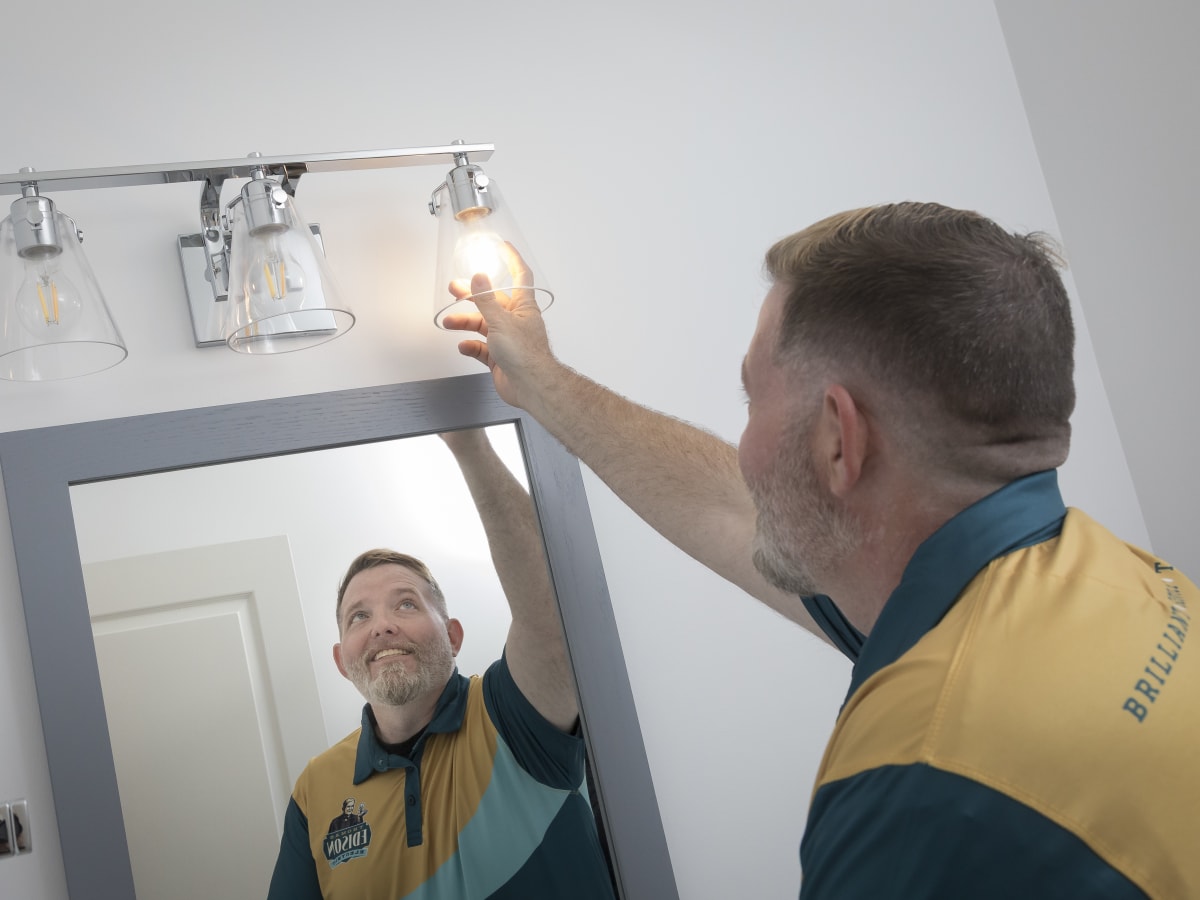
Replacing a light bulb occasionally is a normal part of home maintenance. But what happens when the same bulb seems to burn out every few weeks, or you find yourself repeatedly replacing lights in several rooms?
If your light bulbs burn out quickly, the problem may involve more than the bulbs themselves. The type of bulb, the fixture design, heat buildup, dimmer compatibility, and the condition of the electrical installation can all affect lighting performance.
For homeowners throughout South Jersey, understanding these possibilities can help distinguish an ordinary replacement from a situation that deserves professional attention. Before buying another package of bulbs, it is worth considering why the problem keeps happening.
How Long Should a Light Bulb Last?
Light bulb lifespan depends on the technology, product design, operating conditions, and manufacturer specifications. Traditional incandescent bulbs generally have shorter operating lives than modern LED alternatives. LED bulbs are designed to last substantially longer, although their actual lifespan varies by product and installation conditions.
The U.S. Department of Energy notes that LED bulbs generally last much longer than incandescent bulbs. It also emphasizes the importance of choosing products suited to the fixtures and lighting controls in which they will be used.
If you are replacing an incandescent bulb after an extended period of use, that may not be unusual. However, an LED bulb that fails much earlier than its expected lifespan deserves a closer look.
1. The Bulb May Not Be Compatible With the Fixture
One of the simplest explanations for frequent bulb failure is that the replacement bulb is not suitable for the fixture. Light bulbs differ in their base type, operating requirements, wattage, physical dimensions, and intended applications. A bulb that fits into a socket is not necessarily the correct choice for that fixture.
Before installing a replacement, check the fixture's labeling and manufacturer instructions. Pay attention to the maximum permitted wattage, bulb type, and any restrictions involving LED products. Some fixtures have specific requirements that are easy to overlook when shopping for replacements. A bulb that does not match the fixture's specifications may operate under conditions that shorten its useful life.
2. Heat Buildup Can Affect LED Bulb Performance
Heat is an important consideration when choosing lighting products. Some fixtures are fully enclosed, meaning the bulb operates inside a housing that limits ventilation. This can create a warmer environment than an open fixture.
The Department of Energy specifically warns that fully enclosed fixtures trap heat, which can affect the performance and life expectancy of certain LED products. It recommends checking product specifications before using an LED bulb in an enclosed fixture.
This matters in many New Jersey homes, where enclosed ceiling fixtures, decorative bathroom lights, and older ceiling-mounted fixtures may still be in regular use. If an LED bulb repeatedly fails in an enclosed fixture, check whether the manufacturer identifies it as suitable for that application. Do not assume that every LED bulb is designed to operate in every type of housing.
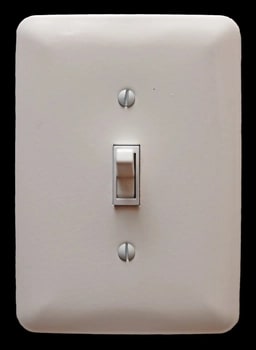
3. Your Dimmer Switch May Not Be Compatible With the Bulb
Another common issue involves dimmer switches. Older dimmers were often designed for incandescent lighting. Modern LED bulbs use different electronic components, and not every LED product is compatible with every dimmer.
An incompatible combination can produce problems such as:
Flickering at certain brightness settings.
Buzzing or humming.
Difficulty turning the light fully on or off.
Inconsistent dimming.
Poor lighting performance.
These symptoms do not necessarily mean the bulb itself is defective. The Department of Energy recommends checking the product specifications to confirm that a bulb is dimmable and compatible with the lighting control system.
If you recently switched from incandescent bulbs to LEDs but kept the original dimmer, compatibility may be worth investigating. An electrician can assess the existing switch and lighting setup and determine whether a different control or compatible bulb is needed.
4. The Fixture May Have an Electrical or Mechanical Problem
If the same bulb fails repeatedly in one particular fixture, the fixture itself may deserve attention. Possible concerns include deteriorated components, a damaged socket, poor electrical connections, or other problems affecting the lighting assembly.
For example, a socket that cannot maintain a reliable connection may interfere with normal operation. A fixture that shows discoloration, melted components, unusual heat, buzzing, or a burning odor should not be treated as a routine bulb replacement issue.
Stop using the affected fixture and arrange for professional evaluation. It is important not to assume that the bulb is the only component that can fail. A recurring problem may originate elsewhere in the lighting installation.
5. Frequent Bulb Failures Across Multiple Rooms Need Investigation
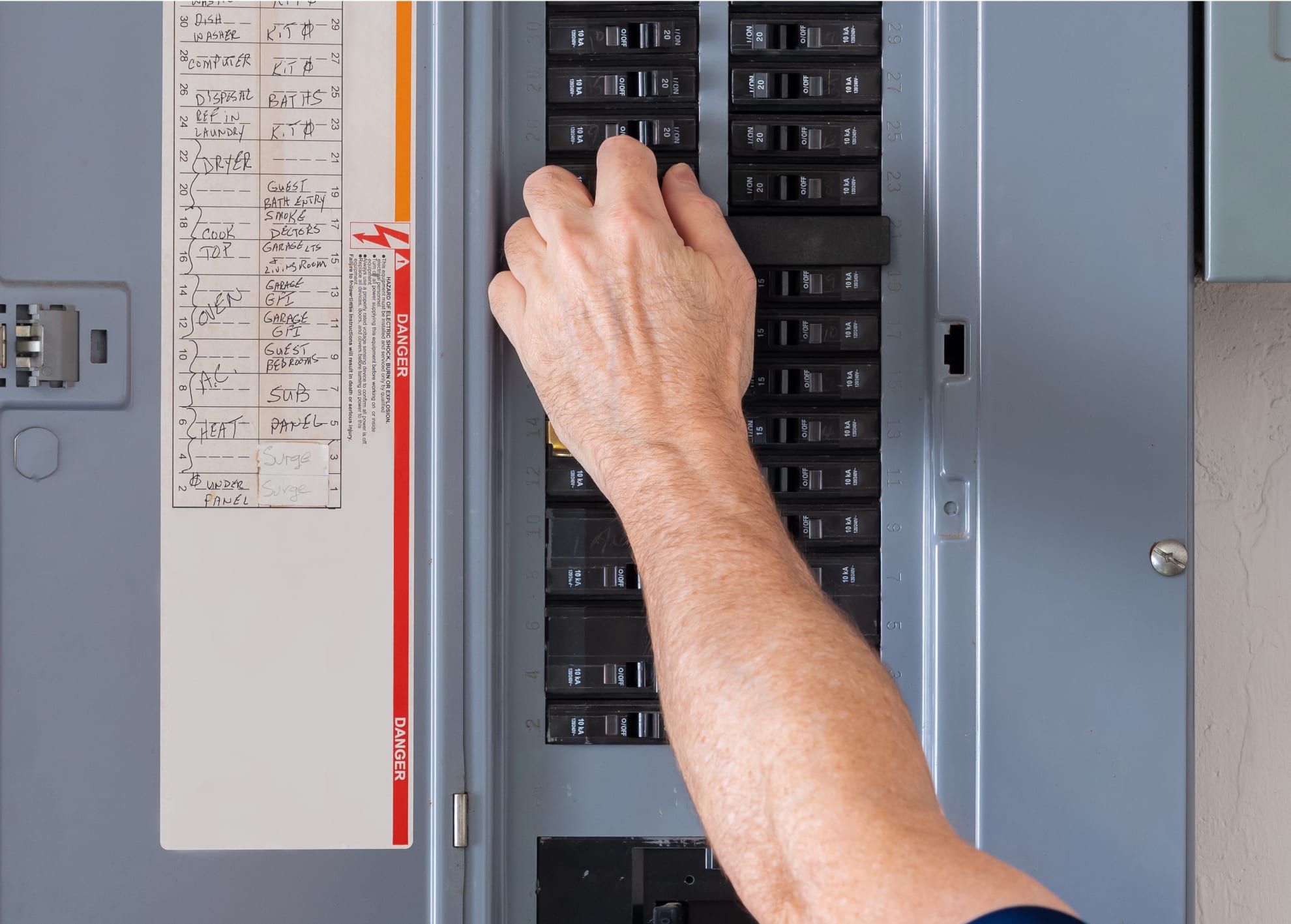
There is a difference between one troublesome fixture and a pattern affecting multiple areas of the home. If bulbs fail repeatedly in different rooms, an electrician may need to look beyond individual fixtures.
Possible areas of investigation include the electrical supply, wiring connections, switches, and lighting circuits. This does not mean that every short-lived bulb indicates a serious electrical problem. Product quality, compatibility, and operating conditions remain important possibilities.
However, when several unrelated fixtures experience recurring failures, professional troubleshooting can help identify whether the problem is electrical or simply related to the products being used.
How to Narrow Down the Problem Safely
You can gather useful information without opening a fixture or working with electrical wiring. Start by documenting the pattern.
Pay Attention to Which Bulbs Fail
Does the issue affect one lamp, a single ceiling fixture, or several rooms? If the same fixture is responsible for repeated failures, that is useful information for an electrician. If bulbs fail throughout the home, the investigation may need to consider a broader part of the electrical system.
Check the Bulb Packaging
Compare the replacement bulb with the fixture's specifications. Look at the base type, wattage, dimmability, enclosed-fixture rating, and other manufacturer instructions. Do not select a bulb based solely on its brightness or physical appearance.
Consider Recent Changes
Think about whether the problem began after a lighting upgrade, renovation, or dimmer installation. If you recently switched to LEDs, the new bulbs may not be compatible with the existing fixtures or controls. If the problem began after electrical work, mention that timing when requesting service.
Look for Visible Warning Signs
Pay attention to unusual conditions such as:
A burning odor near a fixture.
Discoloration around the socket.
Melted or damaged plastic.
Buzzing sounds.
Visible damage to a switch or fixture.
Excessive heat.
Do not touch electrical components that appear damaged or overheated. If you notice smoke or an active fire, leave the area and contact emergency services.
Choosing Replacement Bulbs That Last Longer
When it is time to replace your bulbs, choosing the right product can help reduce maintenance and improve lighting performance. LED bulbs are often a practical choice because of their efficiency and longer expected operating life. However, selection should be based on the fixture and intended application.
Consider the following:
Brightness: Compare lumens rather than relying only on wattage.
Color temperature: Choose a light appearance that suits the room.
Dimmability: Confirm compatibility with existing lighting controls.
Fixture rating: Make sure the bulb is approved for enclosed fixtures when necessary.
Manufacturer guidance: Follow the product's installation and operating instructions.
The right bulb is not always the most expensive one or the brightest one. It is the one designed to work properly in the fixture.
When Should You Call a New Jersey Electrician?
Professional troubleshooting is appropriate if bulbs continue failing after you have confirmed that they are suitable for the fixture. You should also contact an electrician if the problem involves damaged sockets, unusual heat, buzzing, burning odors, or repeated failures across multiple fixtures.
An electrician can inspect the lighting installation, evaluate connections and controls, and determine whether repairs or replacements are appropriate. Avoid attempting to replace sockets, modify wiring, or alter dimmer connections without the necessary qualifications.
Improve Your Home's Lighting With Thomas Edison Electric
Lighting should provide consistent, comfortable illumination without requiring constant troubleshooting. If you are replacing the same bulbs repeatedly, the best solution may involve selecting a compatible product, correcting a fixture issue, or evaluating part of the electrical system.
Thomas Edison Electric provides residential electrical services for homeowners throughout South and Central New Jersey, including Burlington, Camden, and Mercer counties. Based in Cherry Hill, the family-owned company offers indoor and outdoor lighting services, lighting design, installation, and electrical troubleshooting.
Contact Thomas Edison Electric to discuss recurring bulb failures or plan a lighting improvement for your home.
Talk to an electrician
800.380.6800Available 24/7, including weekends.
Schedule Now- Same-day appointments
- Upfront, honest pricing
- Licensed and insured
Found this helpful?