

Even a property that looks well maintained may have outdated wiring, improperly installed components, or electrical modifications that need attention.
Identify Potential Safety Concerns
An electrical inspection can help identify conditions such as damaged wiring, improper connections, outdated equipment, and other potential hazards.
Some problems may require prompt attention, while others may be part of a longer-term improvement plan.
Knowing about these issues before closing can help you make a more informed decision.
Understand the Condition of the Electrical Panel
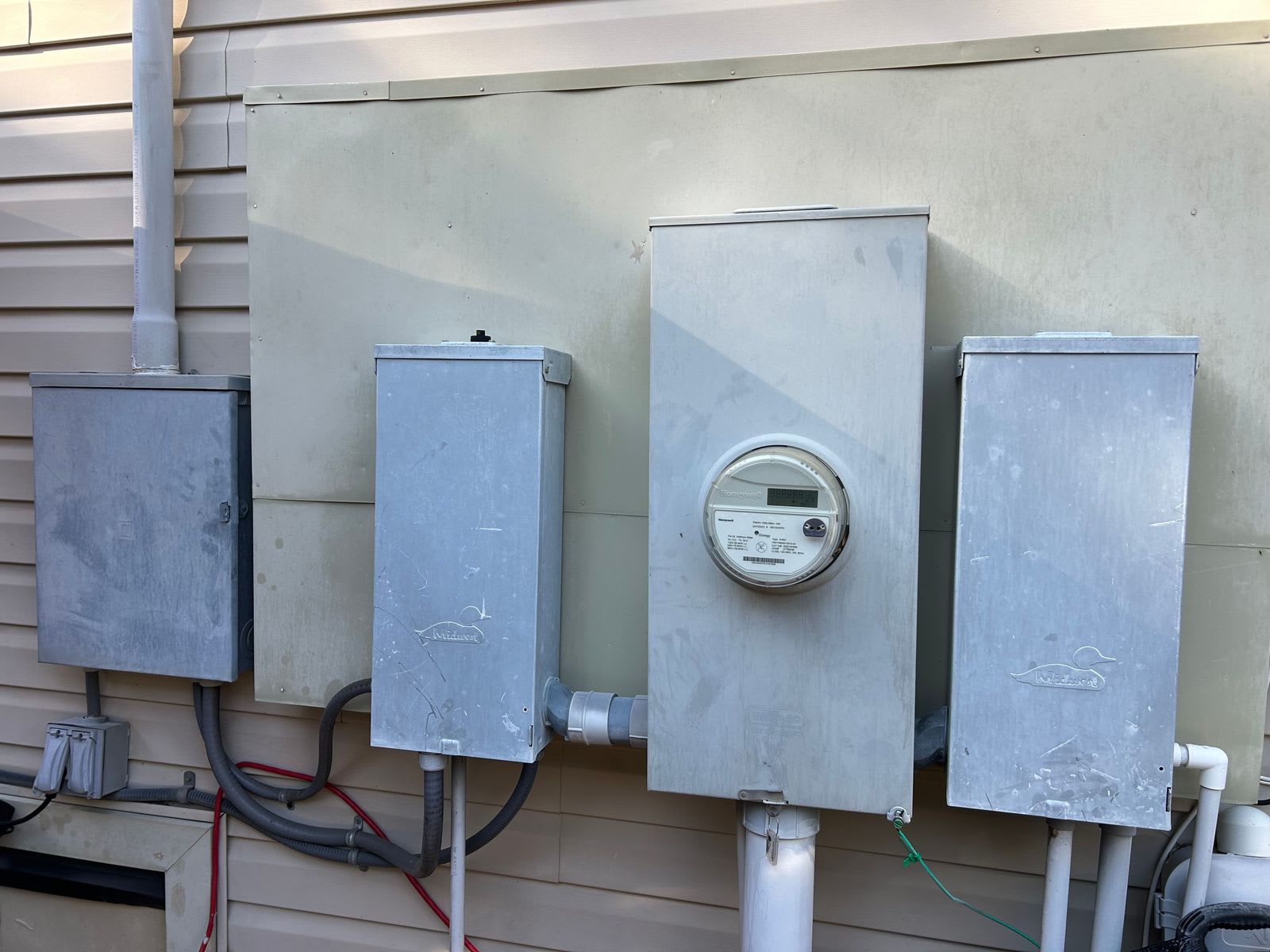
The electrical panel is a central part of the home's electrical system.
An inspection can help identify whether the panel appears to be in appropriate condition and whether there are concerns that warrant further evaluation.
This may be particularly important in older properties or homes with electrical systems that have undergone several modifications.
Evaluate Whether the Home Can Support Your Needs
A property may have enough electrical capacity for its previous occupants but require changes to accommodate your plans.
For example, you may want to install an electric vehicle charger, create a home office, remodel the kitchen, or finish a basement.
An inspection can help identify whether the existing system may need upgrades to support those changes.
What Does an Electrical Inspection Typically Include?
The scope of an inspection depends on the property, the type of inspection being performed, and the agreement with the inspector.
A qualified electrician may evaluate several major parts of the electrical system.
Electrical Panel and Breakers
The electrical panel is an important starting point.
An electrician may look for signs of physical damage, corrosion, overheating, improper modifications, and other visible concerns.
The panel's condition, configuration, and apparent suitability for the home's electrical needs may also be considered.
Visible Wiring
Accessible wiring may be examined for signs of damage, deterioration, improper installation, or other concerns.
However, an inspection does not necessarily involve opening every wall or examining every concealed cable.
If there are signs of a more extensive wiring problem, additional investigation may be recommended.
Outlets and Switches
Receptacles and switches are common points of interaction with the electrical system.
An electrician may evaluate accessible devices for damage, improper installation, loose fit, and other visible concerns.
Testing may also help identify certain wiring or grounding issues.
Grounding and Bonding
Grounding and bonding are important parts of electrical safety.
An electrician may evaluate accessible grounding and bonding components to determine whether they appear appropriate for the system.
The exact scope depends on the installation and the inspection being performed.
GFCI and AFCI Protection
Ground-fault and arc-fault protection are important features of modern residential electrical systems.
An inspection may identify whether applicable protective devices are present and whether there are concerns with their installation or operation.
Requirements depend on the applicable code edition and the age and configuration of the electrical system.
Special Considerations When Buying an Older Home
Older homes can offer architectural character and established neighborhoods, but their electrical systems may require closer attention.
The age of a home does not automatically mean its wiring is unsafe. However, it is worth understanding what type of electrical equipment and wiring the property contains.
Knob-and-Tube Wiring
Some older homes still contain knob-and-tube wiring.
This system uses individual conductors supported by ceramic components and does not include an equipment grounding conductor.
Its condition, previous modifications, and interaction with insulation and other building materials should be evaluated.
If knob-and-tube wiring is present, ask the electrician to explain its condition and whether replacement or other corrective work should be considered.
Aluminum Wiring
Some homes built during the 1960s and 1970s may contain aluminum branch-circuit wiring.
Aluminum wiring requires appropriate connections and compatible components.
An electrician familiar with aluminum wiring can evaluate its installation and identify whether corrective measures are necessary.
Outdated Electrical Panels
Older homes may contain electrical panels that warrant additional attention because of age, condition, design, or previous modifications.
The panel should be evaluated based on its actual condition and suitability rather than age alone.
If replacement is recommended, ask the electrician to explain why and what the project would involve.
Two-Prong Receptacles
Two-prong outlets may indicate that some areas of the home lack an equipment grounding conductor.
Their presence does not automatically mean the entire electrical system needs replacement, but it is worth understanding how the receptacles are wired and what options are available.
Do not assume that replacing a two-prong receptacle with a three-prong device automatically provides grounding.
Warning Signs You May Notice During a Home Tour
Even before scheduling an electrical inspection, there are visible warning signs that may justify additional questions.
Flickering or Dimming Lights
Lights that flicker frequently or dim unexpectedly may indicate a wiring issue, overloaded circuit, or another electrical problem.
Ask whether the seller is aware of the issue and have it evaluated.
Warm or Discolored Outlets
Outlets should not normally feel noticeably warm during ordinary use.
Discoloration, scorch marks, or burning odors may indicate overheating or damaged connections.
These conditions should be evaluated promptly.
Frequently Tripping Breakers
If the seller mentions that certain breakers trip regularly, do not dismiss the issue as a minor inconvenience.
Repeated tripping can indicate an overloaded circuit, short circuit, ground fault, or another problem.
Exposed or Improperly Protected Wiring
Visible wiring that appears damaged, exposed, or poorly secured may indicate previous electrical work that needs review.
An electrician can determine whether the installation is appropriate and whether repairs are needed.
Limited Outlet Availability
A home with relatively few outlets may have been designed for a different era of household electrical use.
Although limited outlet availability is not necessarily a safety issue, it may affect your renovation plans and future electrical needs.
Is a General Home Inspection Enough?
A standard home inspection and an electrical evaluation serve related but different purposes.
A general home inspector typically performs a visual, non-invasive inspection of accessible areas and selected components of the home's systems.
The inspection may identify visible electrical concerns, but it does not necessarily include the same testing or level of electrical assessment that a qualified electrician can provide.
When to Consider a Separate Electrical Inspection
A more focused electrical evaluation may be worthwhile if:
The home is older.
The electrical panel appears outdated or damaged.
There are visible signs of electrical repairs or modifications.
The property has aluminum or knob-and-tube wiring.
Breakers trip frequently.
Outlets or switches show signs of damage.
You plan to make substantial renovations.
You intend to install high-demand equipment.
An electrician can help determine whether the concerns justify further investigation.
What Happens if an Electrical Inspection Finds Problems?
Discovering electrical issues does not automatically mean you should walk away from a property.
The important question is what the problems are, how serious they are, and what would be required to address them.
Separate Immediate Safety Concerns From Future Improvements
Some findings may require prompt corrective work.
Others may be improvements that you can plan for after purchasing the home.
Ask the electrician to explain the difference so you understand which issues deserve immediate attention.
Request a Clear Explanation of Recommended Work
If repairs or upgrades are recommended, ask for a description of the work involved.
For example, replacing a damaged receptacle is very different from rewiring several rooms or upgrading an electrical panel.
Understanding the scope can help you evaluate the potential financial and practical impact.
Consider the Findings During Purchase Negotiations
If significant electrical problems are discovered, you may want to discuss the findings with your real estate agent and other appropriate professionals.
Depending on the purchase agreement and circumstances, the findings may affect repair requests, negotiations, or your decision about the property.
Electrical Inspections Are Especially Valuable Before Major Renovations
Even if you are purchasing a home with the intention of renovating it, understanding the existing electrical system can help you plan the project.
Kitchen and Bathroom Renovations
Kitchens and bathrooms often involve significant electrical requirements.
An inspection can help identify existing wiring or panel concerns that may affect the renovation.
Finished Basements and Home Additions
Adding living space can increase the home's electrical demands.
If you plan to finish a basement or build an addition, evaluate the existing system before finalizing the design.
Electric Vehicle Charging
If you plan to install an EV charger, the electrical system may need additional capacity or other modifications.
An electrician can help determine whether the existing panel and wiring are suitable for the planned equipment.
Questions to Ask an Electrician Before Buying a Home
A professional inspection is an opportunity to understand the home's electrical system, not just receive a list of potential problems.
Consider asking:
Does the electrical panel appear to be in good condition?
Are there signs of outdated or deteriorating wiring?
Are any visible connections or installations concerning?
Are the existing circuits suitable for the home's apparent electrical demands?
Are there safety improvements that should be prioritized?
Would planned renovations require additional circuits or panel work?
Are there conditions that require further investigation?
The answers can help you understand both the home's current condition and the potential cost of future electrical work.
Make Electrical Safety Part of Your Home-Buying Process
A home's electrical system may not be the first thing you notice during a showing, but it deserves attention before you commit to a purchase.
An electrical inspection can help identify concerns that might otherwise remain hidden and provide a better understanding of the work needed to maintain or update the property.
Thomas Edison Electric provides electrical services for homeowners throughout South and Central New Jersey, including Burlington, Camden, and Mercer Counties.
If you are purchasing a home and want to understand the condition of its electrical system, contact Thomas Edison Electric to discuss arranging an electrical evaluation.
Talk to an electrician
800.380.6800Available 24/7, including weekends.
Schedule Now- Same-day appointments
- Upfront, honest pricing
- Licensed and insured
What our clients paid
$625 to $850
Electrical inspection
From 111 of our jobs in the last 18 months. The middle half of real invoices in PA and NJ, before discounts, updated monthly. You get a written price before any work starts.
Found this helpful?