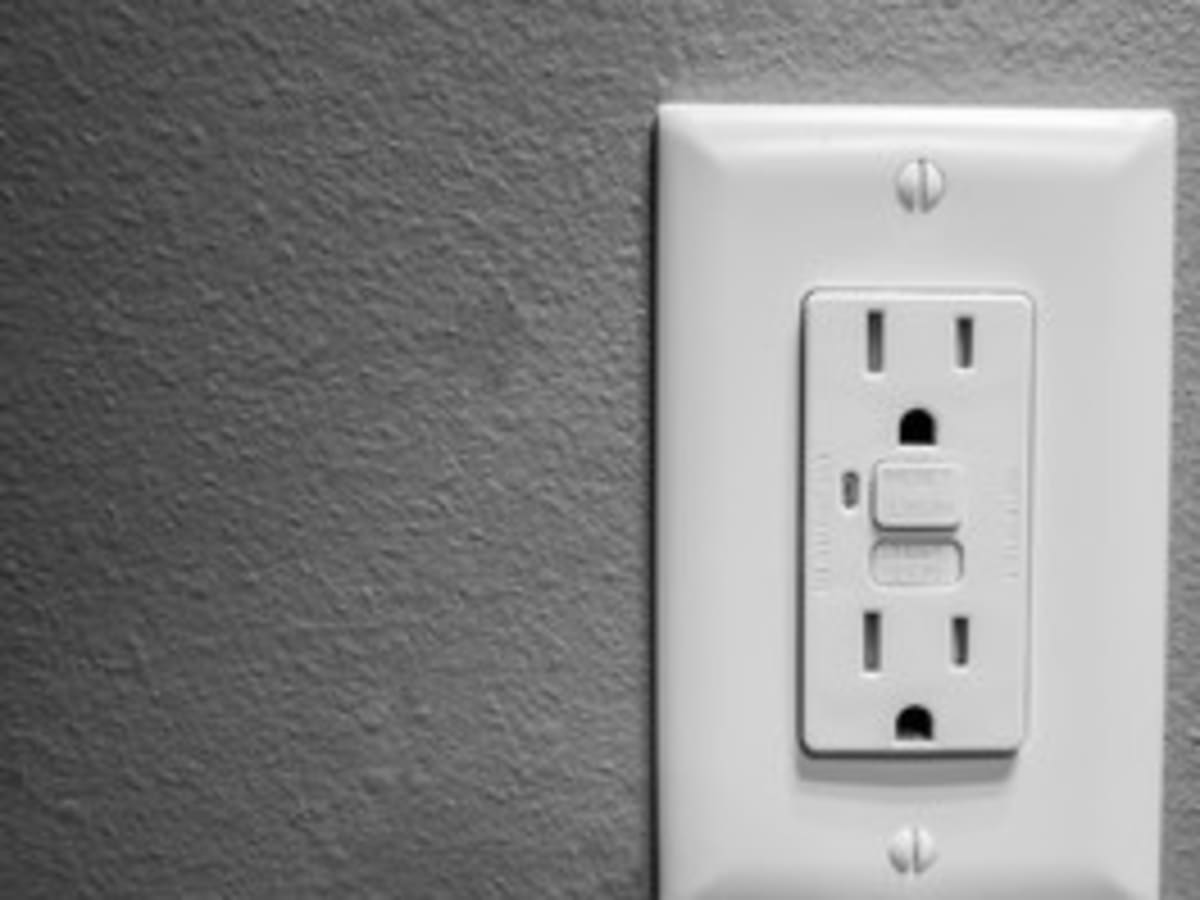
An electrical outlet should not normally feel noticeably warm when you touch it. While certain devices and charging equipment can generate heat during use, warmth coming from the outlet itself may indicate an electrical problem that deserves attention.
For homeowners, it can be difficult to know the difference between a minor issue and a potential safety concern. An outlet that feels slightly warm after powering a high-demand appliance may have a different cause than one that becomes hot, smells unusual, or shows visible discoloration.
Understanding the possible reasons for warm outlets can help you recognize warning signs and know when to contact an electrician.
Is It Normal for an Electrical Outlet to Feel Warm?
In general, an electrical receptacle should remain close to room temperature during ordinary use. A device plugged into an outlet may become warm, but the receptacle itself should not become hot.
If an outlet feels noticeably warm, pay attention to the circumstances. Does it happen only when a particular appliance is connected? Does the outlet stay warm even when nothing is plugged in? Is there a burning smell, buzzing sound, or visible damage?
These details can help an electrician identify the underlying issue.
Warm Versus Hot Outlets
An outlet that feels slightly warm under certain conditions may not indicate the same level of concern as one that is hot to the touch.
However, homeowners should not try to determine whether an outlet is safe by repeatedly touching it or testing it with different appliances.
If an outlet is hot, discolored, buzzing, sparking, or producing a burning odor, stop using it. If it is safe to do so, turn off the circuit at the breaker and arrange for prompt professional evaluation. If there is smoke or an active fire, leave the area and call 911.
Common Reasons an Electrical Outlet May Become Warm
Several electrical problems can cause a receptacle to heat up. The cause is not always obvious from the outside.
Loose Electrical Connections
Loose connections are one possible cause of outlet overheating.
Over time, connections can loosen because of wear, improper installation, vibration, or other factors. A poor connection can increase electrical resistance, which may generate heat when current flows through it.
In some cases, the outlet may also produce intermittent power, buzzing, or signs of discoloration.
Loose connections should be evaluated by a qualified electrician. Simply replacing the outlet without identifying the underlying problem may not address the cause.
Overloaded Circuits
An overloaded circuit occurs when the electrical demand placed on it exceeds what it is designed to support.
For example, a homeowner might connect several high-demand appliances to receptacles supplied by the same circuit. This can cause the circuit to carry more current than intended.
Circuit breakers are designed to provide protection against certain overload conditions, but that does not mean every overloaded or damaged connection will produce an obvious warning before a problem develops.
An electrician can evaluate the circuit and determine whether the electrical load is appropriate.
Worn or Damaged Receptacles
Electrical outlets experience wear over time. Repeatedly plugging in and removing cords can weaken the internal contacts that hold a plug securely.
If a plug feels loose, falls out easily, or does not stay firmly connected, the receptacle may need replacement.
A worn outlet can create poor electrical contact, which may contribute to heat buildup.
Incorrect Installation
An outlet that was improperly installed may develop problems even if it appears normal from the outside.
Examples include incorrect wiring, unsuitable components, or connections that were not properly secured.
This is one reason electrical modifications should be performed by qualified professionals who understand the applicable installation requirements.
High-Demand Appliances
Some appliances draw substantial amounts of electricity while operating. If an outlet or circuit is not suitable for the appliance, excessive heat may develop.
Space heaters, window air conditioners, and other high-demand equipment deserve particular attention.
Always follow the manufacturer's electrical instructions, and do not use an outlet that becomes warm or shows signs of damage.
Other Warning Signs to Watch For
Warmth is not the only indication that an outlet may have an electrical problem.
Discoloration or Scorch Marks
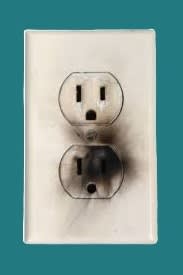
Brown or black marks around an outlet may indicate overheating or arcing.
Do not paint over these marks or assume they are cosmetic. Stop using the receptacle and arrange for an electrician to inspect it.
Burning Smells
A burning plastic or electrical odor near an outlet should never be ignored.
If you notice this smell, stop using the outlet. If safe, turn off the circuit and contact an electrician promptly.
Buzzing, Crackling, or Popping Sounds
Electrical outlets should not make persistent buzzing, crackling, or popping noises.
These sounds may indicate a loose connection, damaged component, or another electrical issue.
Sparks When Plugging In Equipment
A small, brief spark can sometimes occur when plugging in certain devices, particularly those with switches or components that draw current immediately. However, repeated, large, or sustained sparking is not normal.
If you notice unusual sparking, stop using the outlet and have it evaluated.
Frequently Tripping Breakers
If the circuit supplying an outlet trips repeatedly, there may be an overload, short circuit, ground fault, or another issue.
Do not repeatedly reset the breaker without identifying the cause.
What Should You Do if an Outlet Feels Warm?
The safest response depends on what you observe.
If the outlet is noticeably warm, stop using it until you can determine whether there is an electrical problem. If it is hot, discolored, buzzing, or producing an unusual smell, treat the situation as more urgent.
A few precautions can help:
Unplug connected equipment only if it is safe to do so.
Do not touch exposed wiring or damaged receptacle components.
Do not remove the outlet cover or attempt internal repairs.
Do not connect another appliance to see whether the problem happens again.
Turn off the circuit at the breaker if you can do so safely.
Contact a qualified electrician for an inspection.
If you see smoke or flames, evacuate and call 911 rather than attempting to investigate the outlet.
Why Replacing the Outlet May Not Be Enough
A damaged receptacle sometimes needs to be replaced, but the outlet itself may not be the only problem.
For example, the electrician may discover that the wiring connections are loose, the circuit is overloaded, or another component has been damaged by heat.
Simply installing a new outlet without addressing the underlying issue could allow the problem to continue.
A professional inspection can help determine whether the receptacle, wiring, circuit, or another part of the electrical system needs attention.
When Should You Call an Electrician?
Contact an electrician if you notice an outlet that is consistently warm, feels hot, has visible discoloration, makes unusual noises, or does not hold plugs securely.
You should also arrange an inspection if the same circuit repeatedly trips or if you notice electrical problems affecting multiple outlets.
Even if the outlet appears to work normally, unusual heat is worth investigating. Electrical problems are not always visible, and waiting until a receptacle stops working can allow a potentially hazardous condition to worsen.
Protect Your Home With Professional Electrical Service
Warm electrical outlets can have several causes, ranging from worn receptacles to loose connections and overloaded circuits. Recognizing the warning signs and addressing them promptly can help reduce electrical risks in your home.
Thomas Edison Electric provides electrical services for homeowners throughout South and Central New Jersey, including Burlington, Camden, and Mercer Counties.
If you have noticed a warm outlet or other signs of an electrical problem, contact Thomas Edison Electric to arrange a professional evaluation.
Talk to an electrician
800.380.6800Available 24/7, including weekends.
Schedule Now- Same-day appointments
- Upfront, honest pricing
- Licensed and insured
What our clients paid
$100 to $500
Outlet repair or replacement
From 100 of our jobs in the last 18 months. The middle half of real invoices in PA and NJ, before discounts, updated monthly. You get a written price before any work starts.
Found this helpful?